How to safely check your electronics for water damage after a Lynnview flood
After floodwaters recede in Lynnview, the instinct to rescue your expensive electronics is strong. But before you touch that wet smartphone or laptop, understand this: water and electricity create a deadly combination. Every year, Louisville homeowners rush to save their devices and end up in emergency rooms from electric shock. The good news is that with the right knowledge and precautions, you can assess the damage safely and know when to call for professional help. Professional Sewage Backup Cleaning and Sanitization in Jeffersontown.
This guide walks you through the exact steps to evaluate water-damaged electronics without putting yourself or your property at risk. We’ll cover the immediate dangers, the science of why water destroys electronics, and the critical difference between what you can do safely versus what requires professional restoration equipment.. Read more about Understanding the difference between flood insurance and water backup coverage in Wellington.
Before we begin, remember that standing water in Lynnview homes often contains sewage contaminants, chemicals, and debris from the Ohio River floodplain. Your flooded electronics may have been submerged in Category 3 water, which carries serious health risks beyond just electrical hazards. Fast response flood cleanup services near Hikes Point and the Highlands.
Immediate Danger: The Risk of Electrocution
The first rule of checking flooded electronics is simple: if the device is still plugged in or submerged, do not touch it. Water conducts electricity, and a flooded basement in Lynnview often means live circuits are underwater. Even unplugged devices can store dangerous charges in their capacitors. What to do when your St. Matthews basement floods after a heavy rain.
Before approaching any electronic device, locate your home’s main electrical panel. In Lynnview’s older homes near the river, many electrical panels are in basements or utility rooms that flood first. If you cannot access the panel safely, call LG&E at (502) 589-1444 to shut off power to your neighborhood block.
Once power is off, use a non-contact voltage tester to verify circuits are dead before touching anything. These testers detect live wires through insulation and cost under $20 at local hardware stores like Home Depot on Breckenridge Lane. Test the tester on a known live circuit first to ensure it works.
Never assume that because a device is off, it’s safe. Modern electronics maintain standby power even when switched off. The small LED indicators you see on TVs, routers, and gaming consoles prove this. These devices can deliver a painful shock or worse if you touch the wrong component while wet.
If you smell burning plastic or see smoke coming from any device, evacuate immediately. Water-damaged electronics can catch fire when power is restored, especially if corrosion has already begun on circuit boards.. Read more about What to do with water damaged kids toys and furniture in the Original Highlands.

Image Description: Close-up of a technician using a non-contact voltage tester on a flooded power strip, demonstrating the proper safety check before handling water-damaged electronics.
The Science of Damage: Why Water and Tech Don’t Mix
Water destroys electronics through multiple mechanisms that occur within seconds of contact. Understanding these processes helps you assess whether a device is salvageable or needs professional restoration.. Read more about Specialized water damage cleanup for churches and houses of worship in Saint Matthews.
Short circuits are the most immediate threat. When water bridges electrical pathways that should remain separate, current flows where it shouldn’t. This creates heat, can blow fuses, and may permanently damage integrated circuits. In Lynnview’s flood-prone areas, where water often contains dissolved minerals and contaminants, short circuits happen even faster than with clean water.
Electrolysis is the hidden killer. Water acts as an electrolyte, allowing electrical current to flow through it and cause chemical reactions. This process eats away at metal traces on circuit boards, creating microscopic pits and breaks that destroy functionality. The damage continues long after the water evaporates, which is why devices that seem to work initially often fail weeks later.
Corrosion is the long-term threat. Even after thorough drying, the combination of water, oxygen, and contaminants creates oxidation on metal components. This appears as white, green, or black deposits on circuit boards and connectors. In Louisville’s humid climate, corrosion accelerates rapidly, especially in devices that weren’t properly cleaned and treated after water exposure.
Lithium-ion batteries present unique dangers after water exposure. These batteries can short circuit internally when wet, leading to thermal runaway fires. Never attempt to charge or use a battery that has been submerged. The fire risk remains for weeks after the initial exposure.
According to the National Fire Protection Association, water-damaged electronics cause approximately 900 residential fires annually in the United States. The combination of water, electricity, and modern device complexity makes these fires particularly dangerous and difficult to extinguish. National Fire Protection Association.
Professional Restoration vs. The Rice Myth
The internet is full of bad advice about fixing water-damaged electronics. The most persistent myth is that placing wet devices in rice will save them. This method is not only ineffective but can cause additional damage.
Rice cannot remove water from inside sealed devices. It may absorb surface moisture, but the water trapped in circuit boards, connectors, and other internal components remains. Worse, rice dust and starch can contaminate your device, creating new problems. The starch can attract moisture and provide food for mold growth inside your electronics.
Professional restoration uses ultrasonic cleaning, which employs high-frequency sound waves to create microscopic bubbles that gently remove contaminants from electronic components. This process can clean areas that compressed air or rice could never reach. The equipment costs thousands of dollars and requires specialized training to operate safely.
Desiccant drying chambers provide controlled environments for removing moisture without heat damage. These chambers use industrial-grade silica gel and precise temperature and humidity controls to dry electronics safely. The process takes 24-48 hours and includes continuous monitoring to prevent over-drying, which can also damage sensitive components.
Professional technicians also use specialized contact cleaners and corrosion inhibitors that are not available to consumers. These chemicals can dissolve mineral deposits, neutralize acids, and create protective barriers that prevent future corrosion. The chemicals are often flammable or toxic, requiring proper ventilation and protective equipment.
According to the Institute of Electrical and Electronics Engineers (IEEE), professional restoration has a 60-80% success rate for water-damaged electronics when treatment begins within 48 hours. DIY methods have less than a 10% success rate and often cause additional damage that makes professional restoration impossible. Institute of Electrical and Electronics Engineers.
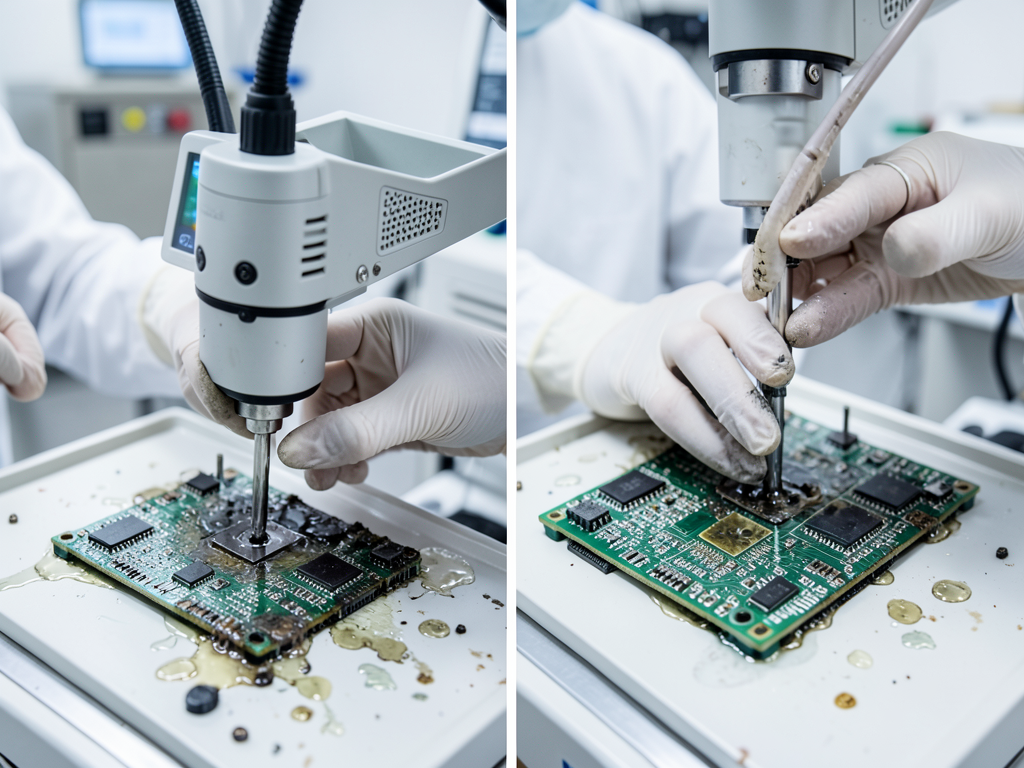
Image Description: Technician in a cleanroom environment using ultrasonic cleaning equipment on water-damaged circuit boards, with before and after examples showing corrosion removal.
Louisville Emergency Water Damage Response
In Lynnview and surrounding Louisville neighborhoods, water damage response times matter more than you might think. The Ohio River’s flood patterns mean that when one area floods, multiple neighborhoods are affected simultaneously. This creates a surge in demand for restoration services that can overwhelm local providers.
Jefferson County’s floodplain maps show that Lynnview sits in a high-risk zone, with properties near Southside Drive and Southside Park particularly vulnerable to Ohio River backwater flooding. When the river rises, these areas can flood even when it’s not raining locally, as water backs up through the combined sewer system.
Local building codes in Louisville require GFCI (Ground Fault Circuit Interrupter) protection in areas prone to moisture, but many Lynnview homes were built before these requirements existed. GFCI outlets can prevent electrocution by cutting power when they detect current leakage, but they’re only effective if properly installed and maintained.
The Kentucky Residential Code Section R325 requires that all finished basements in flood-prone areas have proper drainage and sump pump systems. However, many Lynnview homes predate these requirements, leaving them vulnerable to the very flooding that damages electronics.
Professional restoration teams in Louisville use thermal imaging cameras to detect hidden moisture in walls and ceilings. This technology can identify water that has wicked up from flooded floors and may be affecting electronics mounted on walls or stored in closets. The cameras detect temperature differences caused by moisture, which appears cooler than dry materials.
According to Louisville MSD (Metropolitan Sewer District), the city’s combined sewer system can back up into basements when river levels rise just 2-3 feet above normal. This means that even homes with working sump pumps can experience flooding that damages electronics stored at floor level.
Step-by-Step Safety Inspection Process
Before attempting to check any water-damaged electronics, follow this safety protocol. This process protects you from electrical hazards and helps you determine which devices might be salvageable.
- Power Down Completely
Turn off all circuit breakers to the affected area. In Lynnview homes, this often means shutting off power to the entire basement or first floor. Verify power is off using a non-contact voltage tester on multiple outlets.
- Document Everything
Take photos of all water-damaged electronics before touching anything. Document the water level relative to each device, any visible damage, and the general condition. This documentation is crucial for insurance claims and helps professionals assess salvageability.
- Assess Water Category
Determine if the water was clean, gray, or black. Clean water from rain or broken pipes is less dangerous but still conducts electricity. Gray water from appliances may contain chemicals. Black water from sewage or river flooding contains pathogens and requires professional handling.
- Check Device Seals
Look for water indicators on devices. Many electronics have small dots that turn red when wet. Check charging ports, headphone jacks, and seams for moisture or residue. If you see any signs of water inside sealed devices, assume internal damage.
- Evaluate Age and Value
Consider whether professional restoration is worth the cost. Devices older than 3-4 years may not justify expensive restoration. However, business-critical equipment, irreplaceable data storage, or high-end electronics often warrant professional intervention.. Read more about Restoring your Eastpoint Business Center office after a fire sprinkler accident.
- Make the Professional Call
If you’re unsure about any step or the device is valuable, call a professional. The cost of restoration is often less than replacement, and professionals can recover data even from devices that can’t be fully repaired.
Never attempt to power on a device that has been wet. This is the most common mistake that destroys otherwise salvageable electronics. Even if a device appears dry on the outside, internal moisture can cause catastrophic failure when power is applied. Sump Pump Failure Cleanup.
For devices that were only splashed rather than submerged, the risk is lower but still present. Remove batteries if possible, open any accessible compartments, and allow thorough drying for at least 72 hours before attempting to power on. Use fans for air circulation, but never use hair dryers or other heat sources that can damage components.
When to Call a Professional
Certain situations demand immediate professional intervention. If you’re dealing with any of these scenarios, do not attempt DIY inspection or recovery.
Devices that were submerged in floodwater for more than 24 hours have likely experienced severe corrosion and may contain hazardous materials. Professional restoration teams have the equipment and expertise to handle these safely.
Commercial electronics, medical devices, and data storage systems require specialized knowledge and equipment. The cost of data loss or business interruption often far exceeds the cost of professional restoration.
Devices that show signs of burning, smoke damage, or strange odors need professional assessment before any attempt at recovery. These symptoms indicate damage that could cause fires or release toxic fumes.
If you’re dealing with insurance claims, professional documentation and assessment can make the difference between approval and denial. Many insurance companies require professional estimates for electronics over certain value thresholds.
According to FEMA, water-damaged electronics are among the top five causes of post-flood house fires. The combination of water, electricity, and modern device complexity creates hazards that most homeowners cannot safely assess.
Professional restoration services in Louisville typically offer 24/7 emergency response and can often arrive within 2-4 hours of your call. This rapid response is crucial because corrosion and other damage processes continue to worsen over time.
Image Description: Technician wearing personal protective equipment (PPE) assessing water-damaged electronics in a flooded basement, with safety equipment and documentation tools visible.
Preventing Future Damage
While you can’t prevent all flooding in Lynnview, you can take steps to protect your electronics from future water damage. These preventive measures can save you thousands of dollars and prevent dangerous situations.
Elevate electronics off the floor, especially in basements and first-floor rooms. Even a few inches of elevation can mean the difference between minor splash damage and total submersion. Use shelving units or wall-mounted solutions for TVs, gaming systems, and other electronics.
Install water sensors near electronics in vulnerable areas. These devices can detect moisture and send alerts to your phone before significant damage occurs. Some modern smart home systems include water detection as a standard feature.
Consider waterproof containers for storing valuable electronics when not in use. While these won’t protect against prolonged submersion, they can prevent damage from minor flooding or leaks.
Back up important data regularly to cloud storage or external drives kept in waterproof containers. This ensures that even if your device is destroyed, your valuable information survives.
Review your insurance coverage to ensure electronics are adequately protected. Many standard policies have limits on electronics coverage, and flood damage often requires separate flood insurance in Louisville’s high-risk zones.
According to the National Weather Service, Louisville experiences an average of 45 days of precipitation annually, with the potential for severe storms that can overwhelm drainage systems. This makes water damage prevention an ongoing concern for Lynnview residents. The most reliable storm damage repair team for Fern Creek and Highview residents.
Frequently Asked Questions
How long should I wait before trying to turn on a water-damaged device?
Wait at least 72 hours after complete drying before attempting to power on any water-damaged electronic device. Even if the exterior appears dry, internal components may still contain moisture that can cause short circuits when power is applied.
Can I clean water-damaged electronics myself?
Minor splash damage on the exterior can be cleaned with isopropyl alcohol and cotton swabs, but never attempt to open sealed devices or clean internal components yourself. Improper cleaning can cause more damage and void warranties.
Will my homeowner’s insurance cover water-damaged electronics?
Standard homeowner’s policies typically cover sudden and accidental water damage but may exclude flood damage. Electronics damaged by rising water from outside sources usually require separate flood insurance. Check your policy details and document all damage thoroughly.
How can I tell if my electronics have internal water damage?
Look for water indicators (small dots that turn red when wet), corrosion around ports and connectors, unusual odors, or devices that won’t power on. However, some internal damage may not be visible, which is why professional assessment is often necessary.
What’s the success rate for restoring water-damaged electronics?
Professional restoration has a 60-80% success rate for devices treated within 48 hours of water exposure. Success rates drop significantly after 72 hours due to corrosion and other damage processes. DIY methods have less than a 10% success rate.
Water-damaged electronics create serious safety hazards that most homeowners aren’t equipped to handle. The combination of water, electricity, and modern device complexity means that what seems like a simple cleanup can quickly become dangerous.
If you’re dealing with flooded electronics in Lynnview, your first priority should be safety. Turn off power at the main breaker, document the damage, and call professionals if you have any doubts about your ability to assess the situation safely.
Don’t let the desire to save your devices put you or your family at risk. Professional restoration services have the equipment, training, and experience to handle water-damaged electronics safely and effectively.
Call (502) 370-2711 today to schedule your inspection. Our Louisville-based team responds 24/7 to emergencies throughout Lynnview and surrounding areas. We’ll assess your damaged electronics, provide a clear plan for recovery, and help you get back to normal as quickly as possible.
Pick up the phone and call (502) 370-2711 before the next storm hits. Water damage doesn’t wait, and neither should you.
{
“@context”: “https://schema.org”,
“@type”: “BlogPosting”,
“headline”: “How to safely check your electronics for water damage after a Lynnview flood”,
“description”: “After a Lynnview flood, learn how to safely inspect electronics for water damage without risking electrocution. Expert tips from Louisville restoration pros.”,
“wordCount”: 2627,
“datePublished”: “2026-04-04T07:40:00.000Z”,
“dateModified”: “2026-04-04T07:40:00.000Z”,
“inLanguage”: “en-US”,
“mainEntityOfPage”: {
“@type”: “WebPage”,
“@id”: “https://elitewaterdamagerestorationlouisville.com”
},
“publisher”: {
“@type”: “LocalBusiness”,
“name”: “Elite Water Damage Restoration Louisville”,
“url”: “https://elitewaterdamagerestorationlouisville.com”
},
“author”: {
“@type”: “Organization”,
“name”: “Elite Water Damage Restoration Louisville”,
“url”: “https://elitewaterdamagerestorationlouisville.com”
},
“image”: {
“@type”: “ImageObject”,
“url”: “https://elitewaterdamagerestorationlouisville.com/wp-content/uploads/2026/03/how-to-safely-check-your-electronics-for-water-dam-1.png”
}
}
{
“@context”: “https://schema.org”,
“@type”: “LocalBusiness”,
“name”: “Elite Water Damage Restoration Louisville”,
“url”: “https://elitewaterdamagerestorationlouisville.com”,
“address”: {
“@type”: “PostalAddress”,
“addressLocality”: “Louisville”
},
“areaServed”: {
“@type”: “City”,
“name”: “Louisville”
}
}
{
“@context”: “https://schema.org”,
“@type”: “FAQPage”,
“mainEntity”: [
{
“@type”: “Question”,
“name”: “How long should I wait before trying to turn on a water-damaged device?”,
“acceptedAnswer”: {
“@type”: “Answer”,
“text”: “Wait at least 72 hours after complete drying before attempting to power on any water-damaged electronic device. Even if the exterior appears dry, internal components may still contain moisture that can cause short circuits when power is applied.”
}
},
{
“@type”: “Question”,
“name”: “Can I clean water-damaged electronics myself?”,
“acceptedAnswer”: {
“@type”: “Answer”,
“text”: “Minor splash damage on the exterior can be cleaned with isopropyl alcohol and cotton swabs, but never attempt to open sealed devices or clean internal components yourself. Improper cleaning can cause more damage and void warranties.”
}
},
{
“@type”: “Question”,
“name”: “Will my homeowner’s insurance cover water-damaged electronics?”,
“acceptedAnswer”: {
“@type”: “Answer”,
“text”: “Standard homeowner’s policies typically cover sudden and accidental water damage but may exclude flood damage. Electronics damaged by rising water from outside sources usually require separate flood insurance. Check your policy details and document all damage thoroughly.”
}
},
{
“@type”: “Question”,
“name”: “How can I tell if my electronics have internal water damage?”,
“acceptedAnswer”: {
“@type”: “Answer”,
“text”: “Look for water indicators (small dots that turn red when wet), corrosion around ports and connectors, unusual odors, or devices that won’t power on. However, some internal damage may not be visible, which is why professional assessment is often necessary.”
}
},
{
“@type”: “Question”,
“name”: “What’s the success rate for restoring water-damaged electronics?”,
“acceptedAnswer”: {
“@type”: “Answer”,
“text”: “Professional restoration has a 60-80% success rate for devices treated within 48 hours of water exposure. Success rates drop significantly after 72 hours due to corrosion and other damage processes. DIY methods have less than a 10% success rate.”
}
}
]
}
{
“@context”: “https://schema.org”,
“@type”: “HowTo”,
“name”: “How to safely inspect water-damaged electronics”,
“step”: [
{
“@type”: “HowToStep”,
“position”: 1,
“name”: “Power Down Completely”,
“text”: “Turn off all circuit breakers to the affected area. In Lynnview homes, this often means shutting off power to the entire basement or first floor. Verify power is off using a non-contact voltage tester on multiple outlets.”
},
{
“@type”: “HowToStep”,
“position”: 2,
“name”: “Document Everything”,
“text”: “Take photos of all water-damaged electronics before touching anything. Document the water level relative to each device, any visible damage, and the general condition. This documentation is crucial for insurance claims and helps professionals assess salvageability.”
},
{
“@type”: “HowToStep”,
“position”: 3,
“name”: “Assess Water Category”,
“text”: “Determine if the water was clean, gray, or black. Clean water from rain or broken pipes is less dangerous but still conducts electricity. Gray water from appliances may contain chemicals. Black water from sewage or river flooding contains pathogens and requires professional handling.”
},
{
“@type”: “HowToStep”,
“position”: 4,
“name”: “Check Device Seals”,
“text”: “Look for water indicators on devices. Many electronics have small dots that turn red when wet. Check charging ports, headphone jacks, and seams for moisture or residue. If you see any signs of water inside sealed devices, assume internal damage.”
},
{
“@type”: “HowToStep”,
“position”: 5,
“name”: “Evaluate Age and Value”,
“text”: “Consider whether professional restoration is worth the cost. Devices older than 3-4 years may not justify expensive restoration. However, business-critical equipment, irreplaceable data storage, or high-end electronics often warrant professional intervention.”
},
{
“@type”: “HowToStep”,
“position”: 6,
“name”: “Make the Professional Call”,
“text”: “If you’re unsure about any step or the device is valuable, call a professional. The cost of restoration is often less than replacement, and professionals can recover data even from devices that can’t be fully repaired.”
}
],
“image”: “https://elitewaterdamagerestorationlouisville.com/wp-content/uploads/2026/03/how-to-safely-check-your-electronics-for-water-dam-1.png”
}
{
“@context”: “https://schema.org”,
“@type”: “BreadcrumbList”,
“itemListElement”: [
{
“@type”: “ListItem”,
“position”: 1,
“name”: “Home”,
“item”: “https://elitewaterdamagerestorationlouisville.com”
},
{
“@type”: “ListItem”,
“position”: 2,
“name”: “Blog”,
“item”: “https://elitewaterdamagerestorationlouisville.com/blog”
},
{
“@type”: “ListItem”,
“position”: 3,
“name”: “How to safely check your electronics for water damage after a Lynnview flood”
}
]
}
{
“@context”: “https://schema.org”,
“@type”: “Service”,
“serviceType”: “Water Damage Restoration”,
“provider”: {
“@type”: “LocalBusiness”,
“name”: “Elite Water Damage Restoration Louisville”,
“url”: “https://elitewaterdamagerestorationlouisville.com”
},
“areaServed”: {
“@type”: “City”,
“name”: “Louisville”
},
“description”: “After a Lynnview flood, learn how to safely inspect electronics for water damage without risking electrocution. Expert tips from Louisville restoration pros.”
}