Removing river silt and mud from Portland properties after the Ohio River recedes
When the Ohio River floods Portland neighborhoods the water eventually goes away but thick layers of heavy silt and mud remain. These deposits carry bacteria chemical residues and can cause permanent damage if not removed quickly. This guide explains what makes Ohio River mud so dangerous how we remove it and why Portland homes need specialized cleanup after every flood. Fast response flood cleanup services near Hikes Point and the Highlands.
Portland sits directly on the Ohio River’s floodplain where heavy spring rains and rapid snowmelt routinely push water over the banks. When the river rises it carries fine clay particles industrial runoff and organic debris from upstream. Once the water recedes these materials settle into every crack crevice and porous surface on your property. Unlike clean rainwater silt acts like concrete when it dries making removal extremely difficult without professional equipment. Professional Sewage Backup Cleaning and Sanitization in Jeffersontown.
The biggest threat is Category 3 water contamination. Flood water from the Ohio River mixes with sewage agricultural chemicals and road pollutants creating a toxic sludge. This black water carries E. coli Salmonella and other pathogens that can survive in dried mud for weeks. Portland’s historic shotgun homes with their raised foundations and pier-and-beam construction create perfect conditions for mud to collect underneath and cause wood rot and foundation shifting. 24/7 Emergency Water Removal.
Time matters more than you think. Silt begins to harden within 24 hours and microbial growth starts almost immediately in Louisville’s humid climate. The longer mud stays the more it penetrates wood concrete and HVAC systems. Portland properties near Shippingport Island and the Portland Wharf Park face the highest risk because they sit at the lowest elevations along the river.
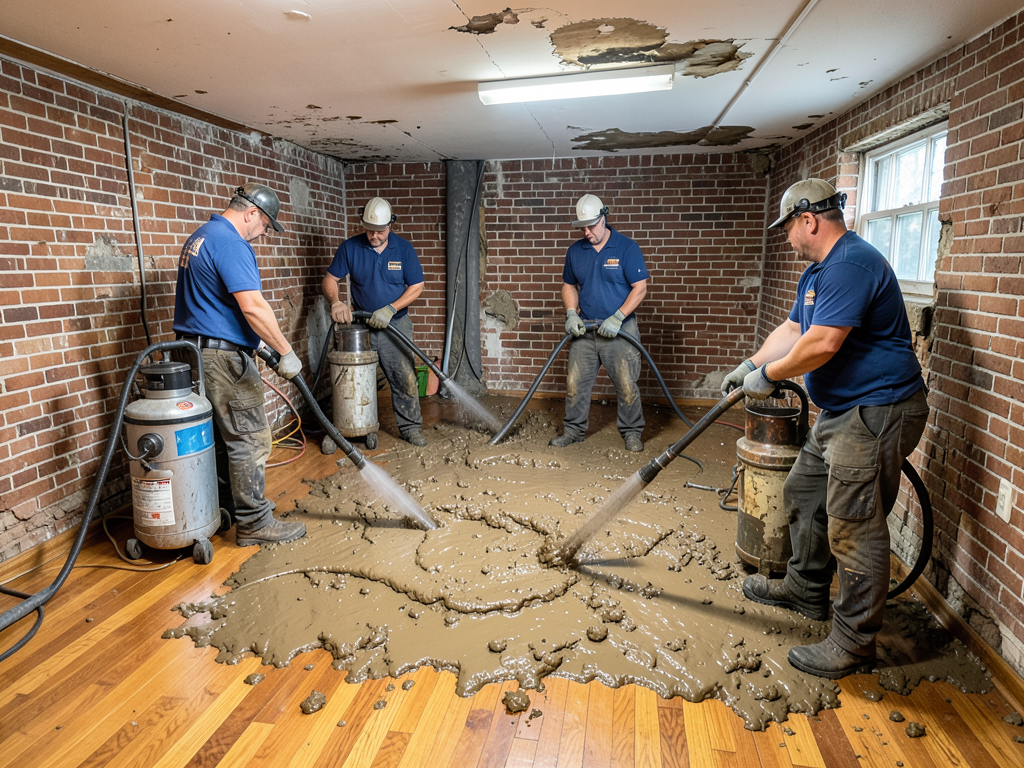
Our cleanup process follows IICRC S500 standards for Category 3 water damage. We start with physical removal using industrial vacuums and shovels to extract the bulk of the material. Next we pressure wash all surfaces with hot water and antimicrobial solutions to kill bacteria and neutralize chemical residues. Finally we use commercial dehumidifiers and air scrubbers to remove moisture and airborne contaminants. Finding the best mold removal experts in the Highlands and how they protect historic homes.
Portland’s unique soil composition makes cleanup more challenging. The area sits on heavy clay that expands when wet and contracts when dry creating foundation stress. When Ohio River mud mixes with this native clay it forms an almost cement-like substance that requires specialized pressure washing and sometimes even light excavation to remove completely. Sump Pump Failure Cleanup.
Health risks extend beyond bacteria. Flood mud often contains asbestos from older building materials lead paint dust and petroleum products. Without proper PPE and containment these contaminants become airborne during cleanup creating respiratory hazards for homeowners and workers. Our team uses HEPA filtration and negative air pressure systems to prevent cross-contamination. EPA flood cleanup guidelines.
Insurance claims for mud damage require specific documentation. Most homeowners policies exclude flood damage but separate flood insurance through the National Flood Insurance Program covers mud removal. We document every step with moisture readings contamination tests and before/after photos to support your claim with both insurance adjusters and FEMA representatives.
Portland’s proximity to the Ohio River means flood risk never really goes away. Properties near the Portland Museum and the historic Portland Wharf area have flooded multiple times in the past decade. Each event leaves behind a new layer of contamination that compounds the damage from previous floods.
Professional mud removal costs more upfront than DIY but prevents thousands in secondary damage. A shop vac and garden hose cannot remove silt from wood framing HVAC ducts or concrete pores. Our industrial equipment extracts material from these hidden spaces preventing mold growth wood rot and structural weakening that would require expensive repairs later.
We serve all Portland zip codes including 40212 40203 and 40211 with 24/7 emergency response. Our teams arrive within 60 minutes with all necessary equipment to begin cleanup immediately. We coordinate directly with your insurance company to handle paperwork and approvals so you can focus on getting your life back to normal.
Don’t wait for the mud to harden. Call (502) 370-2711 today to schedule your inspection. Every hour counts when it comes to protecting your Portland property from Ohio River flood damage.
Why Ohio River mud requires professional removal
Ohio River flood deposits are fundamentally different from typical mud or soil. The water carries industrial chemicals agricultural runoff and sewage from cities upstream creating a hazardous mixture that standard cleaning cannot address. Portland properties face unique challenges because the river’s sediment composition changes based on rainfall patterns and upstream activities.
The clay content in Ohio River mud makes it particularly problematic. When wet it becomes a slippery paste that seeps into every surface. When dry it hardens like concrete making removal nearly impossible without specialized equipment. This transformation happens quickly in Portland’s variable climate where temperatures can swing dramatically in a single day.
Microbial growth accelerates in flood mud. The organic material trapped in silt provides food for bacteria and mold spores. Louisville’s high humidity creates perfect conditions for these organisms to multiply reaching dangerous levels within 48-72 hours. Professional antimicrobial treatment is essential to prevent health hazards.
Structural damage occurs when mud remains in place. The weight of wet silt can stress foundation walls and floor joists. Moisture trapped in mud pockets creates condensation that leads to wood rot and metal corrosion. Over time this weakens structural components requiring extensive repairs that could have been prevented with proper cleanup.
Portland’s historic architecture adds complexity to mud removal. Many homes feature original wood siding plaster walls and hardwood floors that require careful cleaning to avoid permanent damage. Modern pressure washing techniques must be adjusted to protect these delicate surfaces while still removing all contamination.
Environmental regulations govern mud disposal in Jefferson County. Contaminated soil cannot go to standard landfills and must be handled according to Kentucky Department of Environmental Protection guidelines. We maintain proper permits and disposal contracts to ensure all materials are removed legally and safely.
Insurance coverage varies significantly for mud damage. Some policies exclude all flood-related damage while others cover specific aspects like structural cleaning but not contents. We help you understand your coverage and document damage properly to maximize your claim recovery.
DIY cleanup attempts often make problems worse. Consumer-grade equipment lacks the power to remove deeply embedded silt. Improper cleaning techniques can spread contamination throughout the home. Most importantly homeowners risk serious health issues from exposure to pathogens and chemicals without proper protective equipment.
Professional assessment determines the full extent of damage. What looks like surface mud often penetrates much deeper into building materials. We use moisture meters thermal imaging and contamination testing to identify all affected areas ensuring complete remediation.
Prevention strategies help minimize future damage. After cleanup we recommend improvements like better grading enhanced drainage and flood barriers specific to your property’s layout and the surrounding terrain. These modifications can significantly reduce damage from the next Ohio River flood.
Our comprehensive mud removal process
Professional mud removal follows a systematic approach that ensures complete cleaning while protecting your property and health. Our process combines industrial equipment specialized cleaning agents and proven techniques developed through years of experience with Ohio River flooding in Portland.
Initial assessment begins with safety evaluation. We test for electrical hazards structural instability and airborne contaminants before entering any flooded structure. This protects our team and prevents additional damage to your property during the cleanup process.
Water extraction removes standing water and loose mud. We use truck-mounted extraction units capable of removing thousands of gallons per hour. This step prevents additional seepage and prepares surfaces for the detailed cleaning that follows.
Silt removal requires industrial vacuums with HEPA filtration. Standard shop vacs cannot handle the volume or fine particles in flood mud. Our equipment captures particles as small as 0.3 microns preventing them from becoming airborne during the cleaning process.
Pressure washing uses hot water and commercial detergents to break down remaining mud and kill bacteria. We adjust pressure and temperature based on the surface material preventing damage to wood brick or delicate finishes while ensuring thorough cleaning.
Antimicrobial treatment follows cleaning to eliminate any remaining pathogens. We apply EPA-registered disinfectants specifically formulated for Category 3 water damage. These products continue working for weeks after application providing ongoing protection.
Structural drying prevents secondary damage. We use industrial dehumidifiers air movers and desiccant units to remove moisture from building materials. This step typically takes 3-5 days depending on the extent of saturation and Portland’s humidity levels.
Content cleaning addresses personal belongings affected by flood mud. We inventory salvageable items clean them using appropriate methods and store them in climate-controlled facilities until your home is ready for reoccupation.
Debris removal includes proper disposal of all contaminated materials. We handle everything from mud-soaked drywall to damaged furniture following all local and federal regulations for hazardous waste disposal.
Final testing verifies that all contamination has been removed. We conduct moisture readings air quality tests and surface sampling to ensure your home meets safety standards before we consider the job complete.
Documentation provides proof of work for insurance purposes. We create detailed reports with photos moisture logs and test results that support your claim and demonstrate the thoroughness of our remediation efforts.
Health hazards of Ohio River flood mud
Flood mud from the Ohio River contains multiple health hazards that require professional handling. The water picks up contaminants from agricultural areas industrial sites and urban runoff creating a toxic mixture that poses serious risks to anyone who comes in contact with it.
Bacterial contamination represents the most immediate threat. E. coli Salmonella and other pathogens thrive in flood water and remain active in dried mud. These bacteria can cause severe gastrointestinal illness skin infections and other serious health problems especially in children elderly people and those with compromised immune systems.
Chemical exposure occurs from industrial pollutants agricultural chemicals and household chemicals washed into the river. These substances include pesticides herbicides heavy metals and petroleum products that can cause skin irritation respiratory problems and long-term health effects with repeated exposure.
Mold growth begins within 24-48 hours of flooding. The organic material in mud provides food for mold spores which multiply rapidly in Portland’s humid climate. Some mold species produce mycotoxins that can cause allergic reactions respiratory issues and neurological symptoms.
Physical hazards include sharp objects broken glass and debris hidden in mud. These materials can cause cuts puncture wounds and other injuries that become infected when exposed to contaminated mud. Protective equipment is essential for anyone working in flooded areas.
Respiratory risks increase during cleanup when mud becomes airborne. Dried silt creates fine dust that carries bacteria mold spores and chemical particles deep into the lungs. Without proper respiratory protection this dust can cause acute and chronic respiratory problems.
Long-term exposure effects may not be immediately apparent. Some chemical contaminants and biological agents have latency periods where symptoms develop weeks or months after initial exposure. This makes professional testing and monitoring important even after visible cleanup is complete.
Cross-contamination spreads hazards throughout the home. Walking through mud then moving through clean areas tracks contamination into previously unaffected spaces. Our containment procedures prevent this spread using physical barriers negative air pressure and decontamination zones.
Children and pets face heightened risks because they spend more time on floors and often put contaminated objects in their mouths. We recommend temporary relocation during cleanup and thorough testing before allowing reoccupation of the home.
Professional remediation eliminates these hazards through proper containment removal and disposal procedures. Our teams use PPE decontamination protocols and specialized equipment to protect both workers and occupants throughout the cleanup process.
Portland’s flood vulnerability and prevention
Portland’s location on the Ohio River’s floodplain creates unique challenges for flood prevention and mitigation. The neighborhood’s low elevation combined with aging infrastructure makes it particularly susceptible to flooding even during moderate rain events.
Historical development patterns contribute to current vulnerabilities. Many Portland homes were built before modern flood regulations and lack features like proper drainage elevated foundations and flood-resistant materials. This makes them more vulnerable to damage when flooding occurs.
Combined sewer overflow systems in older parts of Portland can back up during heavy rains causing additional flooding from below. When river water overtops banks it can enter these systems creating a double threat from both surface and subsurface flooding.
Climate change increases flood frequency and severity. More intense rainfall events and changing river patterns have led to more frequent flooding in Portland over the past decade. Properties that never flooded before are now experiencing regular water intrusion.
Soil composition affects drainage and foundation stability. Portland’s heavy clay soil absorbs water slowly creating surface pooling that contributes to flooding. When this soil becomes saturated it loses stability potentially causing foundation movement and structural damage.
Infrastructure improvements help but cannot eliminate risk. Recent upgrades to drainage systems and levees have reduced but not eliminated flooding in Portland. Properties closest to the river remain vulnerable during major flood events.
Community planning efforts focus on flood mitigation. The city has implemented buyout programs for repeatedly flooded properties created flood storage areas and improved warning systems. However individual property owners must still take steps to protect their homes.
Building modifications can significantly reduce damage. Elevating mechanical systems installing backflow preventers and using flood-resistant materials in renovations help properties withstand flooding with less damage. These improvements often pay for themselves through reduced repair costs.
Emergency preparedness saves time and money during floods. Having a plan for quickly moving valuables elevating furniture and beginning cleanup can minimize damage. We provide guidance on effective flood response strategies for Portland properties.
Professional assessment identifies specific vulnerabilities for each property. Factors like elevation proximity to water bodies and construction type determine individual flood risk. We evaluate these factors and recommend targeted improvements for maximum protection.
Insurance considerations affect recovery options. Understanding your coverage limitations and maintaining appropriate flood insurance helps ensure you can afford necessary repairs after flooding occurs. We assist with documentation to support insurance claims.
Cost factors for professional mud removal
Professional mud removal costs vary based on multiple factors specific to each Portland property and flood event. Understanding these variables helps you budget appropriately and avoid unexpected expenses during the cleanup process.
Contamination level affects pricing significantly. Category 3 water from the Ohio River requires more extensive cleaning and disposal procedures than clean water flooding. The presence of hazardous materials like asbestos or lead paint adds costs for specialized handling and disposal.
Property size and layout determine labor requirements. Larger homes require more equipment and personnel to complete cleanup efficiently. Complex layouts with multiple levels or difficult access points increase the time needed for thorough cleaning.
Material types influence cleaning methods and costs. Hardwood floors require different treatment than tile or carpet. Historic materials may need specialized cleaning techniques to prevent damage while still removing all contamination.
Accessibility impacts equipment needs and labor costs. Properties with limited parking narrow driveways or multiple stories may require additional equipment or manual labor to transport materials and equipment effectively.
Time sensitivity affects pricing structure. Emergency response during off-hours or holidays typically costs more but prevents additional damage that would increase total restoration costs. The faster cleanup begins the lower your overall expenses.
Insurance coverage determines out-of-pocket costs. Some policies cover full cleanup while others have limits or exclusions. We work with your insurance company to maximize coverage and minimize your personal expenses.
Additional services add to base cleanup costs. Content cleaning HVAC cleaning and structural repairs may be necessary depending on the extent of damage. We provide detailed estimates for all recommended services.
Geographic location affects pricing within Portland. Properties near the river or in areas with limited access may cost more to service due to increased travel time or equipment needs.
Seasonal factors influence costs. Cleanup during peak flood season may cost more due to high demand for services. Off-season flooding might offer better pricing but could involve longer wait times for service.
Payment options help manage costs. We offer various payment plans and can coordinate with insurance companies for direct payment arrangements. Understanding these options helps you make informed decisions about your cleanup priorities.
Frequently Asked Questions
How quickly should I start mud removal after a flood?
Begin cleanup within 24-48 hours to prevent permanent damage and health hazards. The longer mud remains the more it penetrates surfaces and the more bacteria and mold grow. Professional teams can typically respond within hours of your call.
Can I clean up flood mud myself?
DIY cleanup is not recommended for Ohio River mud due to health hazards and the difficulty of complete removal. Professional equipment and techniques are necessary to eliminate contamination and prevent secondary damage. Improper cleaning can spread hazards throughout your home.
Will my insurance cover mud removal?
Coverage depends on your specific policy and the flood source. Standard homeowners policies typically exclude flood damage but separate flood insurance through the National Flood Insurance Program usually covers mud removal. We help document damage to support your claim.
How long does professional mud removal take?
Most properties require 3-7 days for complete cleanup depending on the extent of contamination and damage. This includes water extraction silt removal cleaning drying and final testing. We provide detailed timelines after our initial assessment.
What health risks are associated with flood mud?
Flood mud contains bacteria chemicals and other contaminants that can cause serious illness. Risks include bacterial infections chemical exposure mold-related health problems and physical injuries from hidden debris. Professional cleanup eliminates these hazards through proper containment and disposal procedures.
How do I know when my home is safe after cleanup?
We conduct final testing including moisture readings air quality tests and surface sampling to verify that all contamination has been removed. Only after these tests confirm safety do we consider the job complete and your home ready for reoccupation.
What should I do while waiting for professional help?
Focus on safety by avoiding contact with flood water and mud. If safe to do so move valuable items to higher ground and document damage with photos for insurance purposes. Do not attempt extensive cleaning without proper equipment and protection.
How can I prevent future flood damage?
Prevention strategies include improving drainage elevating mechanical systems using flood-resistant materials and maintaining proper grading around your home. We assess your specific property and recommend targeted improvements based on your location and construction type.
What happens to the removed mud and debris?
Contaminated materials are handled according to Kentucky environmental regulations. We transport all waste to licensed disposal facilities that can properly process hazardous materials. You receive documentation showing proper disposal for your records.
Do you work with insurance companies?
Yes we coordinate directly with insurance adjusters to handle paperwork and approvals. We provide detailed documentation including photos moisture logs and test results that support your claim and demonstrate the thoroughness of our remediation work. For more information, visit CDC flood cleanup recommendations.
{
“@context”: “https://schema.org”,
“@type”: “BlogPosting”,
“headline”: “Removing river silt and mud from Portland properties after the Ohio River recedes”,
“description”: “Expert silt and mud removal from Portland properties after Ohio River flooding. Fast cleanup, biohazard sanitization, and full restoration by Louisville’s trusted team.”,
“wordCount”: 3174,
“datePublished”: “2026-05-10T14:21:00.000Z”,
“dateModified”: “2026-05-10T14:21:00.000Z”,
“inLanguage”: “en-US”,
“mainEntityOfPage”: {
“@type”: “WebPage”,
“@id”: “https://elitewaterdamagerestorationlouisville.com”
},
“publisher”: {
“@type”: “LocalBusiness”,
“name”: “Elite Water Damage Restoration Louisville”,
“url”: “https://elitewaterdamagerestorationlouisville.com”
},
“author”: {
“@type”: “Organization”,
“name”: “Elite Water Damage Restoration Louisville”,
“url”: “https://elitewaterdamagerestorationlouisville.com”
},
“image”: {
“@type”: “ImageObject”,
“url”: “https://elitewaterdamagerestorationlouisville.com/wp-content/uploads/2026/03/removing-river-silt-and-mud-from-portland-properti-1.png”
}
}
{
“@context”: “https://schema.org”,
“@type”: “LocalBusiness”,
“name”: “Elite Water Damage Restoration Louisville”,
“url”: “https://elitewaterdamagerestorationlouisville.com”,
“address”: {
“@type”: “PostalAddress”,
“addressLocality”: “Louisville”
},
“areaServed”: {
“@type”: “City”,
“name”: “Louisville”
}
}
{
“@context”: “https://schema.org”,
“@type”: “FAQPage”,
“mainEntity”: [
{
“@type”: “Question”,
“name”: “How quickly should I start mud removal after a flood?”,
“acceptedAnswer”: {
“@type”: “Answer”,
“text”: “Begin cleanup within 24-48 hours to prevent permanent damage and health hazards. The longer mud remains the more it penetrates surfaces and the more bacteria and mold grow. Professional teams can typically respond within hours of your call.”
}
},
{
“@type”: “Question”,
“name”: “Can I clean up flood mud myself?”,
“acceptedAnswer”: {
“@type”: “Answer”,
“text”: “DIY cleanup is not recommended for Ohio River mud due to health hazards and the difficulty of complete removal. Professional equipment and techniques are necessary to eliminate contamination and prevent secondary damage. Improper cleaning can spread hazards throughout your home.”
}
},
{
“@type”: “Question”,
“name”: “Will my insurance cover mud removal?”,
“acceptedAnswer”: {
“@type”: “Answer”,
“text”: “Coverage depends on your specific policy and the flood source. Standard homeowners policies typically exclude flood damage but separate flood insurance through the National Flood Insurance Program usually covers mud removal. We help document damage to support your claim.”
}
},
{
“@type”: “Question”,
“name”: “How long does professional mud removal take?”,
“acceptedAnswer”: {
“@type”: “Answer”,
“text”: “Most properties require 3-7 days for complete cleanup depending on the extent of contamination and damage. This includes water extraction silt removal cleaning drying and final testing. We provide detailed timelines after our initial assessment.”
}
},
{
“@type”: “Question”,
“name”: “What health risks are associated with flood mud?”,
“acceptedAnswer”: {
“@type”: “Answer”,
“text”: “Flood mud contains bacteria chemicals and other contaminants that can cause serious illness. Risks include bacterial infections chemical exposure mold-related health problems and physical injuries from hidden debris. Professional cleanup eliminates these hazards through proper containment and disposal procedures.”
}
},
{
“@type”: “Question”,
“name”: “How do I know when my home is safe after cleanup?”,
“acceptedAnswer”: {
“@type”: “Answer”,
“text”: “We conduct final testing including moisture readings air quality tests and surface sampling to verify that all contamination has been removed. Only after these tests confirm safety do we consider the job complete and your home ready for reoccupation.”
}
},
{
“@type”: “Question”,
“name”: “What should I do while waiting for professional help?”,
“acceptedAnswer”: {
“@type”: “Answer”,
“text”: “Focus on safety by avoiding contact with flood water and mud. If safe to do so move valuable items to higher ground and document damage with photos for insurance purposes. Do not attempt extensive cleaning without proper equipment and protection.”
}
},
{
“@type”: “Question”,
“name”: “How can I prevent future flood damage?”,
“acceptedAnswer”: {
“@type”: “Answer”,
“text”: “Prevention strategies include improving drainage elevating mechanical systems using flood-resistant materials and maintaining proper grading around your home. We assess your specific property and recommend targeted improvements based on your location and construction type.”
}
},
{
“@type”: “Question”,
“name”: “What happens to the removed mud and debris?”,
“acceptedAnswer”: {
“@type”: “Answer”,
“text”: “Contaminated materials are handled according to Kentucky environmental regulations. We transport all waste to licensed disposal facilities that can properly process hazardous materials. You receive documentation showing proper disposal for your records.”
}
},
{
“@type”: “Question”,
“name”: “Do you work with insurance companies?”,
“acceptedAnswer”: {
“@type”: “Answer”,
“text”: “Yes we coordinate directly with insurance adjusters to handle paperwork and approvals. We provide detailed documentation including photos moisture logs and test results that support your claim and demonstrate the thoroughness of our remediation work. For more information, visit CDC flood cleanup recommendations.”
}
}
]
}
{
“@context”: “https://schema.org”,
“@type”: “BreadcrumbList”,
“itemListElement”: [
{
“@type”: “ListItem”,
“position”: 1,
“name”: “Home”,
“item”: “https://elitewaterdamagerestorationlouisville.com”
},
{
“@type”: “ListItem”,
“position”: 2,
“name”: “Blog”,
“item”: “https://elitewaterdamagerestorationlouisville.com/blog”
},
{
“@type”: “ListItem”,
“position”: 3,
“name”: “Removing river silt and mud from Portland properties after the Ohio River recedes”
}
]
}
{
“@context”: “https://schema.org”,
“@type”: “Service”,
“serviceType”: “Water Damage Restoration”,
“provider”: {
“@type”: “LocalBusiness”,
“name”: “Elite Water Damage Restoration Louisville”,
“url”: “https://elitewaterdamagerestorationlouisville.com”
},
“areaServed”: {
“@type”: “City”,
“name”: “Louisville”
},
“description”: “Expert silt and mud removal from Portland properties after Ohio River flooding. Fast cleanup, biohazard sanitization, and full restoration by Louisville’s trusted team.”
}