What to do when a neighbor’s runoff floods your backyard and basement in Fairdale
Water pouring into your basement from your neighbor’s yard creates panic. You need to act fast to protect your home and understand your legal rights under Kentucky law. This guide covers immediate steps to stop the flooding, explains Fairdale’s drainage challenges, and shows when to call professionals before mold takes hold. Professional Sewage Backup Cleaning and Sanitization in Jeffersontown.
Immediate Steps to Stop the Flooding
Standing water in your basement signals a serious problem. Your first priority is safety and damage control. What to do when your St. Matthews basement floods after a heavy rain.
- Shut Off Power
Water conducts electricity. Find your main breaker panel and turn off power to affected areas before entering. If water reaches electrical outlets or your panel box, call an electrician first.. Read more about What to do in the first hour after finding a flood in your J-town home.
- Stop the Source
Identify where water enters. Use towels, sandbags, or plastic sheeting to block the flow temporarily. If water comes through a window well, cover it with a tarp weighted down by bricks.. Read more about Dealing with water damage and mold in a detached garage or workshop in Jeffersontown.
- Extract Standing Water
Remove water within 24-48 hours to prevent mold growth. A wet vacuum works for small amounts, but professional extraction equipment removes water faster and more completely from carpets and padding.
- Document Everything
Take photos and videos of all damage before cleanup begins. Document the water source and any visible damage to walls, flooring, and personal belongings. This evidence helps with insurance claims and potential legal disputes.. Read more about Simple ways to test your Louisville sump pump before the spring rainy season hits.
Time matters. Mold can begin growing within 24-48 hours in Louisville’s humid climate. The Kentucky climate with its high humidity and frequent spring storms creates perfect conditions for rapid mold development. Louisville MSD drainage regulations.
Understanding Kentucky’s Water Drainage Laws
Kentucky follows the “reasonable use” doctrine for surface water disputes. Unlike some states that use the “common enemy” rule where landowners can divert water freely, Kentucky requires neighbors to use reasonable care when managing runoff.
Under Kentucky law, you cannot collect and channel water onto your neighbor’s property. However, you also cannot block natural drainage patterns that have existed for years. Courts look at whether the water diversion was intentional, the severity of damage, and if the upper landowner used reasonable care.
The key factors courts consider include:
- Whether the upper landowner altered natural drainage patterns
- The extent and foreseeability of damage to the lower property
- Whether reasonable alternatives existed to prevent runoff
- The historical drainage patterns before any changes
Documenting the water flow pattern helps establish whether your neighbor violated reasonable use standards. Take photos during rain events showing where water originates and how it flows onto your property.
Fairdale’s Unique Drainage Challenges
Fairdale sits in southwestern Jefferson County where the Ohio River valley meets rolling hills. The area’s heavy clay soil and karst topography create specific drainage problems that affect runoff disputes.
Fairdale’s clay soil absorbs water slowly, causing surface runoff to flow across properties rather than soaking in. During heavy rains, this creates concentrated flow paths that can overwhelm drainage systems. The area’s karst features, including underground limestone formations, can suddenly channel water in unexpected directions.
Many Fairdale homes were built before modern drainage codes. Older properties often lack proper grading, French drains, or sump pump systems that newer construction includes. This makes them more vulnerable to neighbor-related flooding. Fast response flood cleanup services near Hikes Point and the Highlands.
The Louisville Metropolitan Sewer District (MSD) maintains drainage infrastructure in Fairdale, but their responsibility ends at property lines. MSD regulations require proper downspout discharge and prohibit directing water onto neighboring properties.. Read more about How fallen leaves in your Louisville gutters can lead to a flooded basement this winter.
MSD Drainage Regulations and Reporting
The Louisville MSD enforces local drainage codes that affect neighbor disputes. Their regulations require property owners to manage stormwater runoff responsibly. The most reliable storm damage repair team for Fern Creek and Highview residents.
Key MSD requirements include:
- Downspouts must discharge at least five feet from foundation walls
- Water cannot be directed onto adjacent properties
- Grading must slope away from structures at a minimum 2% grade
- French drains and catch basins must be properly maintained
If your neighbor violates these codes, you can file a complaint with MSD. They investigate drainage issues and can require corrective action. However, MSD involvement takes time, and they focus on code compliance rather than damage compensation.
MSD contact information:
- Emergency drainage issues: (502) 540-2100
- Non-emergency complaints: Submit online through MSD website
- Office location: 700 W Liberty St, Louisville, KY 40202
Professional Solutions for Neighbor Runoff Flooding
Stopping neighbor-related flooding requires both immediate action and long-term solutions. Professional water damage restoration companies use specific techniques to address runoff problems.
French Drain Installation
French drains collect and redirect surface water away from your home. A typical installation includes:
- Perforated pipe surrounded by gravel
- Filter fabric to prevent soil clogging
- Proper slope for gravity flow
- Discharge point at least 10 feet from foundation
French drains work well in Fairdale’s clay soil because they provide an alternative path for water when the ground becomes saturated. Professional installation ensures proper depth and slope for maximum effectiveness.
Exterior Foundation Waterproofing
Exterior waterproofing creates a barrier between your foundation and groundwater. The process involves:
- Excavating soil from foundation walls
- Cleaning and repairing any cracks
- Applying waterproof membrane or coating
- Installing drainage board to channel water downward
- Backfilling with proper grading away from the house
This solution addresses hydrostatic pressure that forces water through basement walls during heavy rains. Fairdale’s high water table makes this particularly important for homes near Floyds Fork or other waterways.
Sump Pump Systems
Sump pumps remove water that accumulates around your foundation. A complete system includes:
- Basin to collect groundwater
- Primary pump with adequate capacity
- Battery backup for power outages
- Discharge line directing water away from the house
- Check valve to prevent backflow
During Louisville’s spring storms, power outages often coincide with heavy rainfall. Battery backup systems ensure continuous protection when you need it most.
How to Talk to Your Neighbor About Drainage Issues
Approaching your neighbor about flooding requires diplomacy. Most disputes can be resolved without legal action if handled correctly.
Start by documenting the problem. Take photos during rain events showing water flow from their property to yours. Keep records of any damage and repair costs. This documentation helps if the discussion becomes difficult.
When talking to your neighbor:
- Choose a calm time, not during an active flooding event
- Focus on the problem, not blame
- Offer to share the cost of professional solutions
- Suggest specific fixes like redirecting downspouts or regrading
- Be willing to compromise on shared drainage improvements
If your neighbor is uncooperative, consider these options:
- Send a certified letter documenting the issue
- Involve MSD for code violations
- Consult a civil attorney specializing in property disputes
- File a claim with your homeowner’s insurance
Insurance companies often handle neighbor disputes through subrogation, where they pay your claim and pursue recovery from the responsible party.
Professional Water Damage Restoration Process
When neighbor runoff floods your basement, professional restoration follows specific protocols to ensure complete recovery and prevent future problems.
Initial Assessment and Documentation
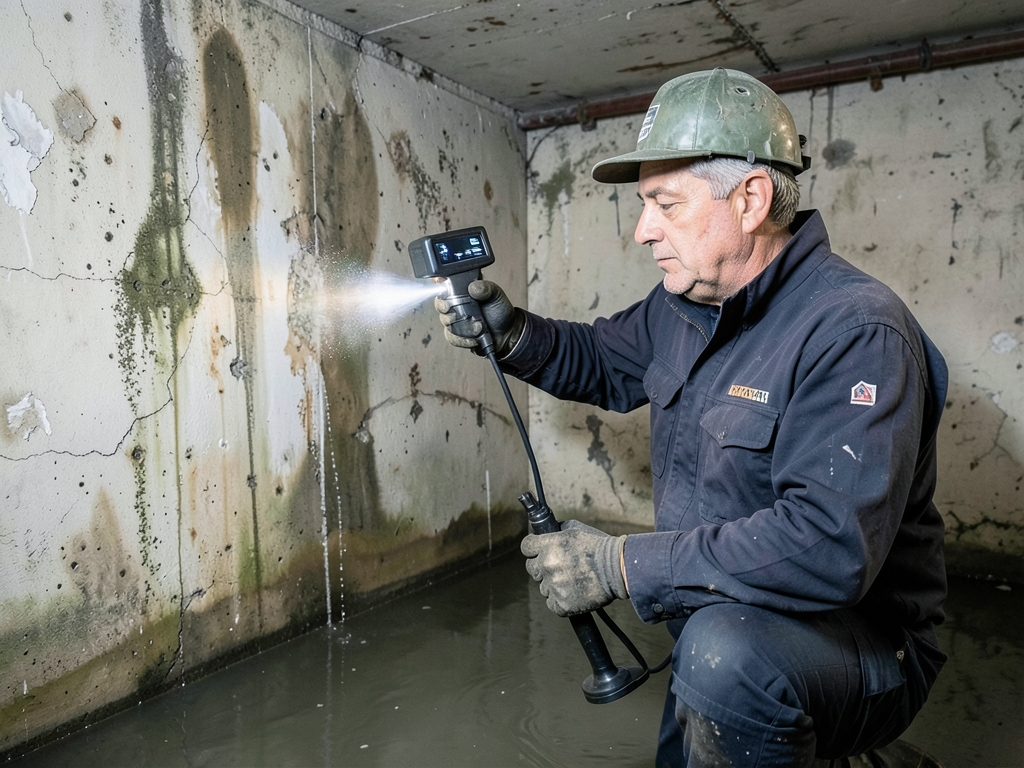
Technicians begin with a comprehensive inspection using moisture meters and thermal imaging cameras. They identify all affected areas, including hidden moisture in wall cavities and under flooring. This diagnostic process follows IICRC S500 standards for water damage restoration. IICRC S500 water damage restoration standards.
Documentation includes moisture readings, photos of damage, and a restoration plan. This information helps with insurance claims and ensures no area is overlooked during cleanup.
Water Extraction and Drying
Professional extraction uses truck-mounted equipment that removes water much faster than consumer-grade shop vacs. The process includes:
- Removing standing water with powerful vacuums
- Extracting water from carpets and padding
- Setting up commercial air movers and dehumidifiers
- Monitoring moisture levels daily until drying is complete
Proper drying prevents mold growth and secondary damage. In Louisville’s humid climate, this process typically takes 3-5 days depending on the extent of flooding.
Cleaning and Sanitization
Floodwater often contains contaminants that require specialized cleaning. The process includes:
- Removing damaged materials that cannot be salvaged
- Cleaning and sanitizing all affected surfaces
- Applying antimicrobial treatments to prevent mold
- Deodorizing to remove musty smells
Category 3 water damage from flooding requires more extensive cleaning than clean water leaks. Professional restoration companies follow EPA guidelines for proper sanitization.
Preventing Future Neighbor Runoff Problems
After addressing immediate flooding, focus on long-term prevention. Several strategies can protect your property from future runoff issues.
Property Grading Improvements
Proper grading directs water away from your home. The ideal slope is 6 inches of fall in the first 10 feet from your foundation. This creates a gentle grade that moves water without causing erosion.
Grading improvements may include:
- Adding topsoil to create proper slope
- Installing swales to channel water away
- Creating berms to block unwanted water flow
- Extending downspouts to discharge water further from the house
Fairdale’s rolling terrain makes grading more complex than in flat areas. Professional grading ensures water flows where you want it to go.
Landscape Drainage Solutions
Strategic landscaping can manage water flow while improving your property’s appearance. Options include:
- Rain gardens that collect and absorb runoff
- Permeable pavers that allow water to soak through
- Retention areas that hold water temporarily
- Native plants with deep roots that improve soil absorption
These solutions work with nature rather than against it. They also provide environmental benefits by reducing stormwater runoff into local waterways.
Legal and Insurance Considerations
Understanding your rights and insurance coverage helps you make informed decisions about pursuing neighbor disputes.
Most homeowner’s policies cover sudden water damage from external sources. However, coverage varies significantly between policies. Some exclude surface water damage or have specific deductibles for flood-related claims.
Document everything if you pursue legal action. Keep records of:
- All communications with your neighbor
- Repair costs and professional assessments
- Photos and videos of flooding events
- MSD reports or code violations
Legal action should be a last resort due to costs and time. Most neighbor disputes resolve through mediation or direct negotiation.
Cost Factors for Professional Restoration
Water damage restoration costs vary based on several factors. Understanding these helps you budget and make informed decisions.
Key cost factors include:
- Extent of water damage and affected area size
- Category of water (clean, gray, or black)
- Materials damaged and demolition required
- Structural repairs needed
- Emergency response timing
Professional restoration typically costs more upfront than DIY approaches but provides several advantages:
- Faster water removal preventing mold growth
- Proper documentation for insurance claims
- Complete drying preventing secondary damage
- Professional warranties on work performed
Insurance may cover some or all restoration costs if the damage results from a covered peril. Check your policy details and work with your insurance company throughout the process.
When to Call a Professional Immediately
Some situations require immediate professional help to prevent catastrophic damage or health hazards.
Call professionals right away if:
- Water reaches electrical outlets or your breaker panel
- Sewer backup is involved (black water contamination)
- Water has been standing for more than 24 hours
- Structural damage is visible (sagging ceilings, warped floors)
- You smell gas or suspect utility line damage
Professional restoration companies offer 24/7 emergency response. The faster you address water damage, the less extensive and expensive the repairs become.
Don’t wait for the situation to worsen. Water damage is progressive, and delays increase both health risks and repair costs. Professional assessment can identify hidden damage that DIY approaches miss.
Frequently Asked Questions
Can I sue my neighbor if their runoff floods my basement?
Yes, but success depends on proving negligence or code violations. Kentucky’s reasonable use doctrine requires showing your neighbor acted unreasonably or violated local drainage codes. Document everything and consult an attorney before pursuing legal action.
Will my homeowner’s insurance cover neighbor-related flooding?
Coverage depends on your policy and the water source. Most policies cover sudden, accidental water damage but may exclude surface water or groundwater flooding. Review your policy details and contact your insurance agent to understand your coverage.
How long does professional water damage restoration take?
The process typically takes 3-5 days for water removal and drying, but full restoration including repairs can take weeks depending on damage extent. Emergency response teams can usually arrive within hours of your call. Finding the best mold removal experts in the Highlands and how they protect historic homes.
What’s the difference between DIY and professional water extraction?
Professional equipment removes water much faster and more completely than consumer-grade tools. Professionals also use moisture meters to detect hidden water, apply antimicrobial treatments, and provide documentation for insurance claims. DIY approaches often miss hidden moisture that leads to mold growth.
How can I prevent neighbor runoff flooding in the future?
Install French drains, improve property grading, extend downspouts, and consider exterior foundation waterproofing. Professional assessment can identify the best solutions for your specific property and drainage challenges. Some solutions may require cooperation with your neighbor for maximum effectiveness.
Water damage from neighbor runoff creates stress and potential health hazards. Understanding your options and acting quickly protects your home and family. Whether you need immediate emergency response or long-term drainage solutions, professional help ensures the job is done right the first time.
Don’t let neighbor runoff damage your Fairdale home. Call (502) 370-2711 today to schedule your inspection and get expert help stopping water damage before it gets worse. Our team responds 24/7 to protect your property and restore your peace of mind.
{
“@context”: “https://schema.org”,
“@type”: “BlogPosting”,
“headline”: “What to do when a neighbor’s runoff floods your backyard and basement in Fairdale”,
“description”: “Neighbor’s runoff flooding your Fairdale basement? Learn Kentucky drainage laws, MSD codes, and professional solutions to stop water damage fast. Call (502) 370-2711.”,
“wordCount”: 2214,
“datePublished”: “2026-05-06T09:09:00.000Z”,
“dateModified”: “2026-05-06T09:09:00.000Z”,
“inLanguage”: “en-US”,
“mainEntityOfPage”: {
“@type”: “WebPage”,
“@id”: “https://elitewaterdamagerestorationlouisville.com”
},
“publisher”: {
“@type”: “LocalBusiness”,
“name”: “Elite Water Damage Restoration Louisville”,
“url”: “https://elitewaterdamagerestorationlouisville.com”
},
“author”: {
“@type”: “Organization”,
“name”: “Elite Water Damage Restoration Louisville”,
“url”: “https://elitewaterdamagerestorationlouisville.com”
},
“image”: {
“@type”: “ImageObject”,
“url”: “https://elitewaterdamagerestorationlouisville.com/wp-content/uploads/2026/03/what-to-do-when-a-neighbor-s-runoff-floods-your-ba-1.png”
}
}
{
“@context”: “https://schema.org”,
“@type”: “LocalBusiness”,
“name”: “Elite Water Damage Restoration Louisville”,
“url”: “https://elitewaterdamagerestorationlouisville.com”,
“address”: {
“@type”: “PostalAddress”,
“addressLocality”: “Louisville”
},
“areaServed”: {
“@type”: “City”,
“name”: “Louisville”
}
}
{
“@context”: “https://schema.org”,
“@type”: “FAQPage”,
“mainEntity”: [
{
“@type”: “Question”,
“name”: “Can I sue my neighbor if their runoff floods my basement?”,
“acceptedAnswer”: {
“@type”: “Answer”,
“text”: “Yes, but success depends on proving negligence or code violations. Kentucky’s reasonable use doctrine requires showing your neighbor acted unreasonably or violated local drainage codes. Document everything and consult an attorney before pursuing legal action.”
}
},
{
“@type”: “Question”,
“name”: “Will my homeowner’s insurance cover neighbor-related flooding?”,
“acceptedAnswer”: {
“@type”: “Answer”,
“text”: “Coverage depends on your policy and the water source. Most policies cover sudden, accidental water damage but may exclude surface water or groundwater flooding. Review your policy details and contact your insurance agent to understand your coverage.”
}
},
{
“@type”: “Question”,
“name”: “How long does professional water damage restoration take?”,
“acceptedAnswer”: {
“@type”: “Answer”,
“text”: “The process typically takes 3-5 days for water removal and drying, but full restoration including repairs can take weeks depending on damage extent. Emergency response teams can usually arrive within hours of your call. Finding the best mold removal experts in the Highlands and how they protect historic homes.”
}
},
{
“@type”: “Question”,
“name”: “What’s the difference between DIY and professional water extraction?”,
“acceptedAnswer”: {
“@type”: “Answer”,
“text”: “Professional equipment removes water much faster and more completely than consumer-grade tools. Professionals also use moisture meters to detect hidden water, apply antimicrobial treatments, and provide documentation for insurance claims. DIY approaches often miss hidden moisture that leads to mold growth.”
}
},
{
“@type”: “Question”,
“name”: “How can I prevent neighbor runoff flooding in the future?”,
“acceptedAnswer”: {
“@type”: “Answer”,
“text”: “Install French drains, improve property grading, extend downspouts, and consider exterior foundation waterproofing. Professional assessment can identify the best solutions for your specific property and drainage challenges. Some solutions may require cooperation with your neighbor for maximum effectiveness.”
}
}
]
}
{
“@context”: “https://schema.org”,
“@type”: “HowTo”,
“name”: “Emergency Basement Flooding Response”,
“step”: [
{
“@type”: “HowToStep”,
“position”: 1,
“name”: “Shut Off Power”,
“text”: “Water conducts electricity. Find your main breaker panel and turn off power to affected areas before entering. If water reaches electrical outlets or your panel box, call an electrician first.”
},
{
“@type”: “HowToStep”,
“position”: 2,
“name”: “Stop the Source”,
“text”: “Identify where water enters. Use towels, sandbags, or plastic sheeting to block the flow temporarily. If water comes through a window well, cover it with a tarp weighted down by bricks.”
},
{
“@type”: “HowToStep”,
“position”: 3,
“name”: “Extract Standing Water”,
“text”: “Remove water within 24-48 hours to prevent mold growth. A wet vacuum works for small amounts, but professional extraction equipment removes water faster and more completely from carpets and padding.”
},
{
“@type”: “HowToStep”,
“position”: 4,
“name”: “Document Everything”,
“text”: “Take photos and videos of all damage before cleanup begins. Document the water source and any visible damage to walls, flooring, and personal belongings. This evidence helps with insurance claims and potential legal disputes.”
}
],
“image”: “https://elitewaterdamagerestorationlouisville.com/wp-content/uploads/2026/03/what-to-do-when-a-neighbor-s-runoff-floods-your-ba-1.png”
}
{
“@context”: “https://schema.org”,
“@type”: “BreadcrumbList”,
“itemListElement”: [
{
“@type”: “ListItem”,
“position”: 1,
“name”: “Home”,
“item”: “https://elitewaterdamagerestorationlouisville.com”
},
{
“@type”: “ListItem”,
“position”: 2,
“name”: “Blog”,
“item”: “https://elitewaterdamagerestorationlouisville.com/blog”
},
{
“@type”: “ListItem”,
“position”: 3,
“name”: “What to do when a neighbor’s runoff floods your backyard and basement in Fairdale”
}
]
}
{
“@context”: “https://schema.org”,
“@type”: “Service”,
“serviceType”: “Water Damage Restoration”,
“provider”: {
“@type”: “LocalBusiness”,
“name”: “Elite Water Damage Restoration Louisville”,
“url”: “https://elitewaterdamagerestorationlouisville.com”
},
“areaServed”: {
“@type”: “City”,
“name”: “Louisville”
},
“description”: “Neighbor’s runoff flooding your Fairdale basement? Learn Kentucky drainage laws, MSD codes, and professional solutions to stop water damage fast. Call (502) 370-2711.”
}