



Menu

Musty Smells & Odor Removal in Louisville | Expert Diagnosis and Permanent Solutions

We identify the moisture source behind that persistent damp smell in your Louisville home, eliminate the odor at its root, and prevent it from returning with targeted mildew odor elimination.

Slider Image 1
Slider Image 2
Slider Image 3
Slider Image 4
Slider Image 5
Slider Image 7
Slider Image 8
Slider Image 9
Slider Image 10
Slider Image 11

Why Your Louisville Home Smells Damp and What It Means

That musty odor in your basement, crawlspace, or bathroom is not just unpleasant. It is a warning sign. Louisville's humid subtropical climate creates the perfect environment for moisture accumulation, particularly during spring and summer when humidity regularly exceeds 70 percent. The Ohio River valley location traps warm, moist air that seeps into crawlspaces, basements, and attics. When that moisture meets organic materials like wood, drywall, or insulation, microbial growth begins within 24 to 48 hours.

Most homeowners in Old Louisville, Highlands, or St. Matthews recognize the smell but ignore the cause. You might blame it on poor ventilation or age. The truth is more serious. That damp smell remediation cannot happen until you address the moisture intrusion. Whether it is foundation seepage from Kentucky's clay soil, poor grading around your home, or a hidden plumbing leak, the odor is a symptom of water damage.

Removing moldy scents without fixing the source is temporary at best. The smell returns because the environment remains hospitable to microbial colonization. You need proper neutralizing musty odors combined with moisture control. Homes built before 1980 in Louisville often lack vapor barriers in crawlspaces, making them vulnerable. Even newer construction can suffer if gutters fail or HVAC condensate lines leak. Eradicating water damage smells requires identifying every moisture pathway, eliminating it, and then treating affected materials with professional-grade antimicrobials and deodorizers.

Why Your Louisville Home Smells Damp and What It Means
How We Eliminate Odors at the Source

How We Eliminate Odors at the Source

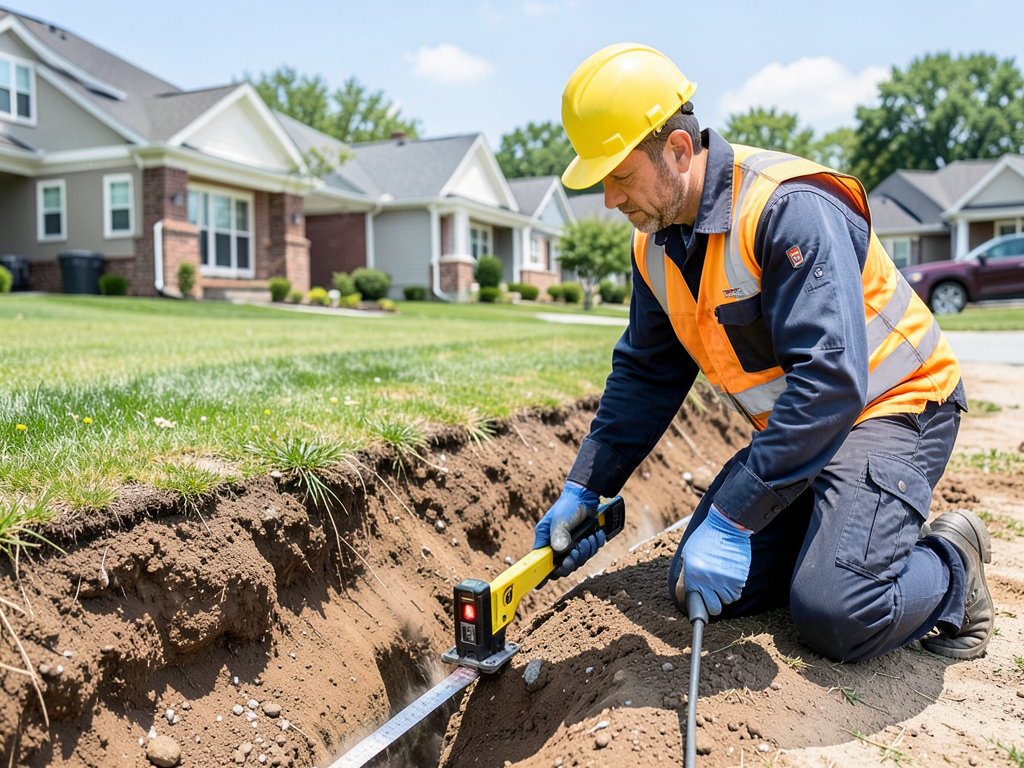
We do not mask odors with sprays or ozone generators alone. Elite Water Damage Restoration Louisville starts with moisture mapping using thermal imaging cameras and hygrometers to pinpoint hidden water intrusion. We measure relative humidity in wall cavities, under flooring, and in concealed spaces where moisture hides. This diagnostic approach separates amateurs from professionals. You cannot remove the smell if you do not remove the water.

Once we locate the source, we categorize the water type. Clean water from a supply line requires different treatment than gray water from an appliance discharge or black water from a sewer backup. Each category demands specific antimicrobial protocols. We extract standing water with truck-mounted pumps, then deploy low-grain refrigerant dehumidifiers to pull moisture from the air and materials. Air movers create circulation to accelerate evaporation. We monitor daily with moisture meters until materials reach dry standard, typically 12 to 15 percent moisture content for wood framing.

Surface cleaning follows. We apply EPA-registered antimicrobials to all affected surfaces, focusing on porous materials like drywall and insulation that trap odor molecules. For severe cases, we remove and replace compromised materials. Insulation saturated with sewage or prolonged mold growth cannot be salvaged. We then treat the space with hydroxyl generators or thermal fogging, depending on the odor intensity and material sensitivity. Hydroxyl generators break down odor molecules at the molecular level without leaving residue. Thermal fogging penetrates porous materials with a fine mist of deodorizer that bonds to odor sources. The combination of moisture control, material treatment, and advanced deodorization creates permanent mildew odor elimination.

What Happens During Odor Remediation

Musty Smells & Odor Removal in Louisville | Expert Diagnosis and Permanent Solutions
01

Moisture Detection and Mapping

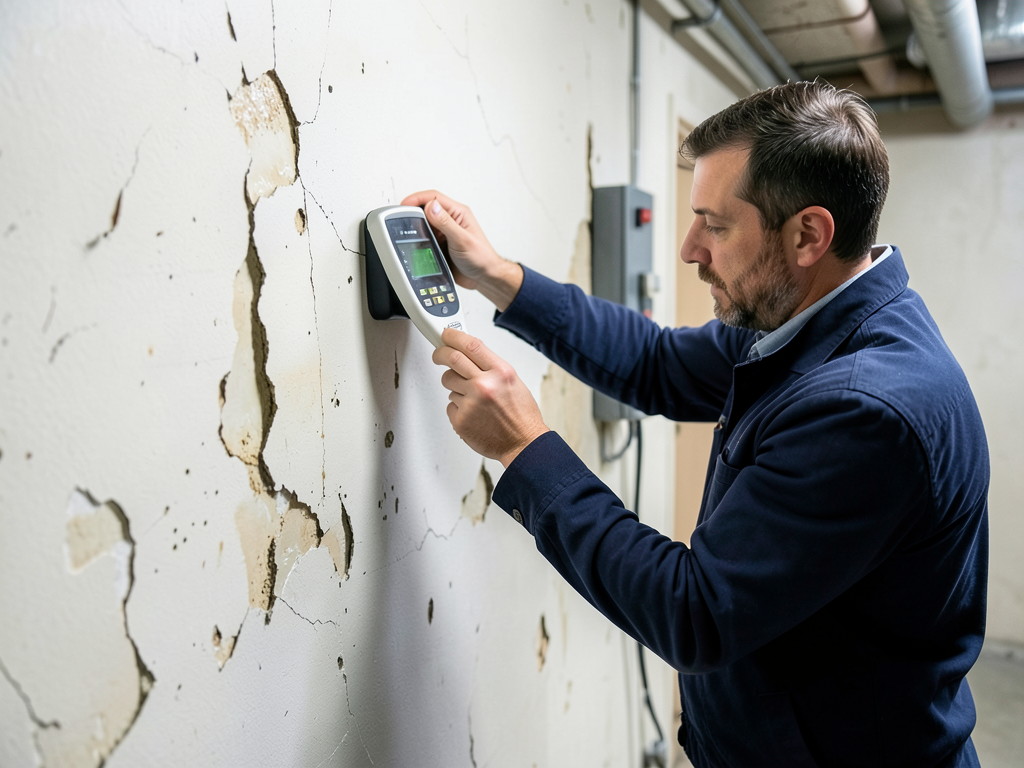
We inspect your property with thermal cameras and moisture meters to locate hidden water damage behind walls, under floors, and in crawlspaces. This step reveals the true extent of the problem and guides our remediation strategy. You see exactly where moisture hides and why the smell persists. We document everything with photos and moisture readings for insurance claims and your records.
02

Water Extraction and Drying

We remove standing water and set up industrial dehumidifiers and air movers to dry affected materials. Daily monitoring ensures materials reach dry standard before we proceed. This phase typically takes three to five days depending on the extent of saturation. We adjust equipment placement based on moisture readings to maximize drying efficiency. Proper drying prevents future microbial growth and eliminates the conditions that cause musty odors.
03

Antimicrobial Treatment and Deodorization

After drying, we apply antimicrobial solutions to all affected surfaces and use hydroxyl generators or thermal fogging to neutralize embedded odors. This final step ensures the smell does not return. We verify air quality with particle counters and conduct a final walkthrough with you to confirm the space smells clean. You receive documentation of all treatments and recommendations to prevent future moisture problems.

Why Louisville Property Owners Trust Our Odor Removal Process

Elite Water Damage Restoration Louisville understands the specific moisture challenges of the Ohio River valley. We have worked in hundreds of Louisville homes from the Clifton neighborhood to Anchorage, and we recognize the signs of foundation seepage, crawlspace condensation, and roof leak patterns common to this region. Our technicians know how Louisville's expansive clay soil shifts foundations and creates cracks that allow water intrusion. We understand how the seasonal humidity swings from winter dryness to summer saturation stress building envelopes.

We use IICRC-certified drying protocols and follow ANSI-approved standards for water damage restoration. This means our work meets the criteria insurance companies expect when processing claims. We document every step with moisture logs, photo evidence, and detailed scope reports. If you are filing a claim for water damage, our documentation streamlines the process and supports your case.

You also benefit from our local response time. We serve Jefferson County and surrounding areas with rapid dispatch because we are based here. When you call with a musty smell concern, we typically arrive within two hours to assess the situation. Speed matters in water damage restoration because delays allow microbial growth to spread and odors to intensify.

We invest in professional-grade equipment that small operators cannot afford. Our truck-mounted extractors remove water faster than portable shop vacuums. Our low-grain refrigerant dehumidifiers pull more moisture from the air than consumer-grade units. Our thermal cameras reveal temperature differentials that indicate hidden moisture. This equipment advantage translates to faster drying times, more thorough remediation, and better outcomes for you. Choosing a qualified local restoration company means you get the right tools, the right training, and accountability you can verify with local references.

What to Expect from Our Odor Removal Service

Response Time and Availability

We dispatch crews seven days a week for odor and water damage concerns. Most Louisville properties receive an initial assessment within two hours of your call. During the inspection, we identify the moisture source, measure humidity levels, and provide a written scope of work. Emergency water extraction happens immediately if needed. For non-emergency odor issues, we schedule remediation within 24 hours. Our goal is to stop the damage progression quickly and begin the drying process before secondary damage occurs. You receive a project timeline during the initial visit so you know what to expect each day.

Inspection and Moisture Assessment

Our inspection includes thermal imaging, moisture meter readings, and visual examination of all suspect areas. We check crawlspaces, attics, wall cavities, and hidden spaces where moisture accumulates. You receive a detailed report showing moisture levels in different materials and photos of affected areas. This diagnostic phase typically takes 60 to 90 minutes depending on property size. We explain findings in plain language and answer your questions about the remediation process. If insurance is involved, we provide documentation formatted for claims submission. The inspection fee applies toward remediation if you proceed with our service.

Quality of Final Outcome

You can expect complete odor elimination when the job is finished. We do not leave until moisture levels return to dry standard and air quality passes our verification checks. Materials are treated with antimicrobials and deodorizers that prevent odor recurrence. If drywall, insulation, or flooring requires replacement due to severe contamination, we coordinate with qualified contractors to restore your property to pre-loss condition. The final walkthrough includes moisture readings and an explanation of what we did to solve the problem. You receive copies of all documentation for your records and insurance claim. Our work focuses on permanent solutions rather than temporary fixes.

Prevention and Follow-Up Recommendations

After remediation, we provide written recommendations to prevent future moisture problems. This may include gutter maintenance, grading corrections, crawlspace encapsulation, or dehumidifier installation. We explain which issues you can address yourself and which require professional intervention. For properties with chronic moisture issues, we offer moisture monitoring services where we return quarterly to check key areas and verify conditions remain stable. You also receive guidance on recognizing early warning signs of water intrusion so you can address problems before odors develop. Our goal is to educate you about your property's vulnerabilities and help you maintain a dry, healthy indoor environment long after we complete the restoration work.

Frequently Asked Questions

You Have Questions,
We Have Answers

How to get rid of a strong musty smell? +

A strong musty smell signals active mold or trapped moisture, common in Louisville basements due to our high humidity and clay soil drainage issues. First, identify the source. Check crawl spaces, HVAC ducts, and behind appliances. Remove wet materials like carpets or drywall. Run dehumidifiers and increase ventilation. Clean hard surfaces with antimicrobial solutions. If the smell persists after 48 hours, you need professional remediation. Mold releases spores continuously, and surface cleaning alone will not eliminate hidden colonies in walls or subflooring. Address the moisture source, or the smell returns.

Will DampRid get rid of musty smell? +

DampRid absorbs moisture in small, enclosed spaces like closets or cabinets, but it will not eliminate musty smells caused by mold growth or hidden water damage. In Louisville's humid climate, a single bucket cannot address whole-home moisture problems, especially in basements or crawl spaces. DampRid treats symptoms, not the cause. If you smell mustiness, you likely have active mold or a plumbing leak. You need source removal, proper ventilation, and sometimes structural drying. Use DampRid for minor humidity control, but call a professional if the odor spreads or intensifies.

How to get rid of old lady smell in house? +

Old lady smell, often called napthalene or mothball odor mixed with stale air, comes from poor ventilation, fabric absorption, and sometimes mildew in older homes. Start by airing out the house. Wash all textiles, including curtains, upholstery, and bedding. Clean carpets with enzyme-based solutions. Wipe down walls and ceilings with vinegar or baking soda mixtures. Replace HVAC filters. In Louisville's older neighborhoods like Old Louisville or Crescent Hill, homes with limited airflow trap odors in plaster walls. If cleaning fails, you may need ozone treatment or thermal fogging to neutralize embedded smells.

What is the hardest smell to get rid of in a house? +

Smoke damage is the hardest smell to remove because particles penetrate porous materials like drywall, insulation, and ductwork. Fire residues bond chemically to surfaces. In Louisville, where many homes have older construction with wood lath and plaster, smoke infiltrates wall cavities. Water damage ranks second, especially when mold colonizes hidden areas. Pet urine that soaks into subflooring also resists removal. These odors require professional equipment like hydroxyl generators, ozone machines, or thermal foggers. Surface cleaning and air fresheners mask the problem temporarily but do not eliminate the source embedded in building materials.

How Louisville's Humidity and Clay Soil Create Persistent Odor Problems

Louisville sits in a humidity trap. The Ohio River valley geography combines with warm Gulf air to create summer conditions where relative humidity regularly exceeds 75 percent. Basements and crawlspaces in Cherokee Park, Crescent Hill, and Germantown stay damp even without active leaks. The expansive clay soil common throughout Jefferson County shifts with seasonal moisture changes, creating foundation cracks that allow groundwater seepage. This combination of high ambient humidity and soil-related water intrusion makes Louisville properties particularly vulnerable to musty smells. Homes built on hillsides near Cherokee Park or along Beargrass Creek face additional challenges with surface water runoff that overwhelms drainage systems during heavy spring rains.

Elite Water Damage Restoration Louisville has worked throughout Jefferson County addressing these region-specific moisture challenges. We understand how older homes in Old Louisville with limestone foundations behave differently than newer construction in Prospect with poured concrete. We know which neighborhoods experience the worst flooding during Ohio River backups and which areas have chronic groundwater issues. This local knowledge allows us to recommend solutions tailored to your specific situation rather than generic fixes that may not work in Louisville's climate. Our technicians live and work in this community, and our reputation depends on delivering results that last through humid summers and wet springs.

Water Damage Services in The Louisville Area

Elite Water Damage Restoration is proud to serve the entire Louisville metropolitan area and surrounding communities. We are committed to providing top-tier water damage solutions to all residents and businesses in our service region. Feel free to explore our service map to confirm your location is within our coverage area or simply give us a call to discuss your specific needs. Our team is ready to help restore your property with speed and professionalism.

Address:
Elite Water Damage Restoration Louisville, 1000 E Kentucky St., Louisville, KY, 40204

Additional Services We Offer

Our news updates

Latest Articles & News from The Blogs

How to properly drain your outdoor faucets in Louisville to prevent an indoor pipe burst Water expands about 9% when…

How to properly drain your outdoor faucets in Louisville to prevent an indoor pipe burst

How to properly drain your outdoor faucets in Louisville to prevent an indoor pipe burst Water expands about 9% when…

Why drying the subfloor is more important than drying your actual hardwood in a Prospect home

Why drying the subfloor is more important than drying your actual hardwood in a Prospect home When water floods your…

Simple ways to test your Louisville sump pump before the spring rainy season hits

Simple ways to test your Louisville sump pump before the spring rainy season hits Your Louisville basement sits on heavy…

Contact Us

Call Elite Water Damage Restoration Louisville at (502) 370-2711 for a thorough moisture assessment and odor removal plan. We respond quickly, work efficiently, and solve the problem permanently. Do not let that damp smell get worse.