


Menu

Warehouse Flood Restoration in Louisville – Minimize Downtime with 24/7 Industrial-Grade Flood Mitigation

Elite Water Damage Restoration Louisville delivers rapid warehouse water mitigation and commercial flood remediation engineered to protect your inventory, preserve operations, and meet strict compliance standards across the greater Louisville metro.

Slider Image 1
Slider Image 2
Slider Image 3
Slider Image 4
Slider Image 5
Slider Image 7
Slider Image 8
Slider Image 9
Slider Image 10
Slider Image 11

Louisville Warehouses Face Unique Flood Risks from the Ohio River Basin and Seasonal Storm Surges

Louisville sits in the Ohio River floodplain, where spring storms and rapid snowmelt create recurring flood threats for industrial facilities. Warehouses in Riverside Industrial Park, Airport South, and the Jefferson Riverport International area face elevated risk during heavy rain events. The Ohio River's proximity means groundwater tables rise quickly, pushing water through foundation cracks and loading dock seals.

The city's older warehouse districts were built before modern flood mitigation codes. Many facilities lack adequate drainage infrastructure, backflow prevention, or elevated electrical systems. When flooding occurs, contaminated river water mixes with industrial runoff, creating biohazard conditions that require specialized commercial flood remediation protocols.

Louisville's humid subtropical climate compounds the problem. After a flood event, relative humidity spikes above 80 percent, accelerating mold colonization in porous materials like drywall, insulation, and wooden pallets. Without aggressive dehumidification, mold can spread across 10,000 square feet of warehouse space in 48 hours.

Distribution centers storing temperature-sensitive goods face additional pressure. A flooded refrigeration unit or damaged HVAC system can spoil inventory worth hundreds of thousands of dollars. Industrial water damage cleanup requires immediate response, not next-business-day scheduling.

The financial impact extends beyond damaged goods. OSHA regulations require safe working conditions. A flooded warehouse with standing water, electrical hazards, or airborne mold spores must shut down until remediation is complete. Every hour of closure costs you revenue, delays shipments, and damages client relationships.

Elite Water Damage Restoration Louisville understands these pressures. We deploy commercial-grade extraction equipment, industrial dehumidifiers, and EPA-registered antimicrobial treatments to restore your facility fast.

Louisville Warehouses Face Unique Flood Risks from the Ohio River Basin and Seasonal Storm Surges
Our Industrial Flood Recovery Process Uses Commercial-Grade Equipment and Proven Containment Protocols

Our Industrial Flood Recovery Process Uses Commercial-Grade Equipment and Proven Containment Protocols

Warehouse water mitigation is not residential water cleanup scaled up. It requires different equipment, different strategies, and different safety protocols. We use truck-mounted extraction units capable of removing 500 gallons per minute from flooded warehouse floors. Portable generators power equipment when electrical systems are compromised.

We establish containment zones to isolate affected areas. This allows unaffected portions of your facility to remain operational while we perform industrial water damage cleanup. We install vapor barriers, negative air pressure systems, and HEPA filtration to prevent cross-contamination.

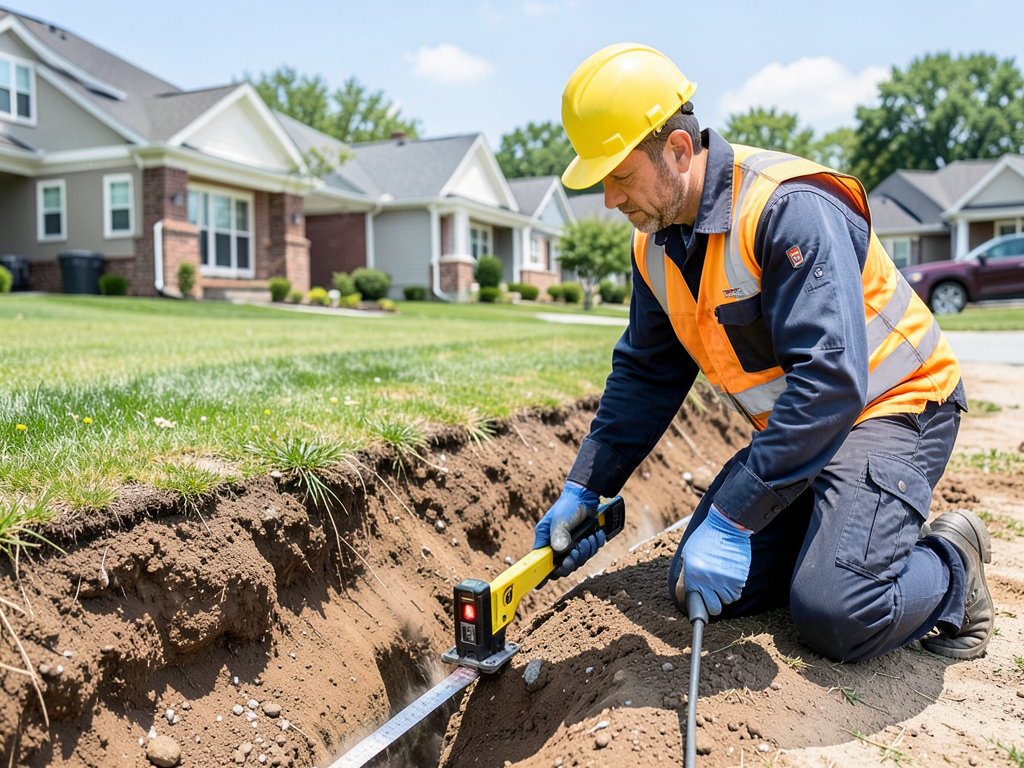
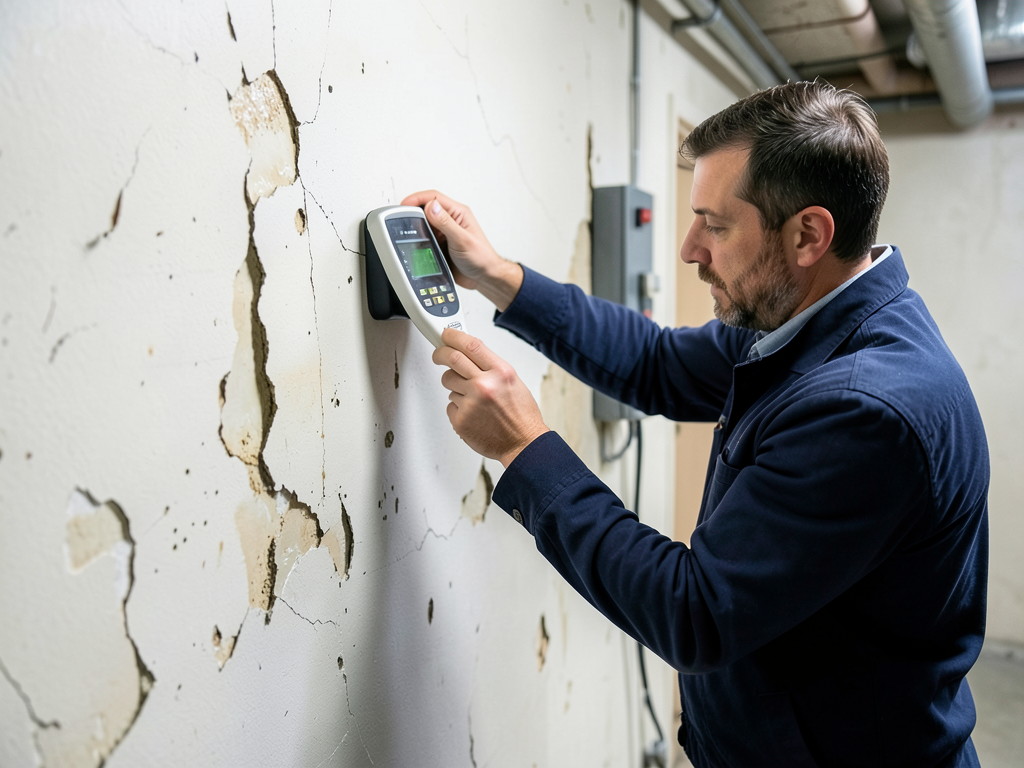
Thermal imaging cameras map moisture intrusion behind wall panels, under concrete slabs, and within insulation layers. Moisture meters confirm structural drying progress. We do not rely on visual inspection alone. Kentucky building codes require documentation of drying completion, and insurance adjusters demand proof of proper mitigation.

Our team coordinates with your property manager, insurance adjuster, and operations staff. We provide daily progress reports, moisture readings, and photographic documentation. This transparency speeds insurance claims processing and keeps stakeholders informed.

For contaminated floodwater, we follow IICRC S500 standards for category 3 water damage. This includes disposal of porous materials, antimicrobial application, and air quality testing. We do not cut corners on safety to save time.

We also address secondary damage. Flooded electrical panels, damaged HVAC ductwork, and compromised fire suppression systems create liability risks. We coordinate with licensed electricians, HVAC contractors, and fire safety inspectors to ensure your facility meets code before reopening.

Elite Water Damage Restoration Louisville has the capacity to handle multi-building industrial complexes. We deploy multiple crews simultaneously to accelerate recovery timelines.

How We Execute Distribution Center Water Removal from Emergency Call to Final Clearance

Warehouse Flood Restoration in Louisville – Minimize Downtime with 24/7 Industrial-Grade Flood Mitigation
01

Emergency Assessment and Containment

We arrive on-site within two hours of your call. Our team performs a facility walkthrough to identify water sources, assess structural stability, and flag electrical hazards. We shut off compromised utilities, establish safety perimeters, and photograph damage for insurance documentation. Immediate containment prevents water migration to unaffected zones. We deploy water extraction equipment while the assessment is ongoing to minimize standing water exposure time.
02

Industrial Extraction and Drying

Truck-mounted pumps remove bulk water from warehouse floors, loading docks, and below-grade areas. We then position commercial dehumidifiers, air movers, and desiccant units to extract moisture from concrete, steel framing, and building materials. Moisture mapping continues every 24 hours to track drying progress. HEPA air scrubbers remove airborne particulates. This phase typically requires three to seven days depending on the extent of saturation and facility size.
03

Sanitization and Operational Clearance

Once moisture levels meet IICRC drying standards, we apply EPA-registered antimicrobial treatments to all affected surfaces. Air quality testing confirms no elevated mold spore counts. We provide a certificate of completion with moisture logs, thermal images, and air quality results. Your facility is cleared for reconstruction or immediate reoccupancy. We coordinate with your contractors to ensure a seamless transition back to full operations.

Why Louisville Businesses Choose Elite Water Damage Restoration for Commercial Flood Remediation

Louisville's industrial corridor demands a restoration partner who understands local building stock and regulatory requirements. Many warehouses in the South Louisville industrial zone were constructed in the 1960s and 1970s with concrete tilt-up panels and exposed steel framing. These structures require different drying techniques than modern insulated metal panel buildings.

We know the local building inspectors, understand Jefferson County's permitting process, and maintain relationships with industrial contractors across the metro. This local knowledge accelerates recovery timelines. When you need a licensed electrician to certify panel replacement or a structural engineer to assess floor slab damage, we have trusted contacts ready to respond.

Elite Water Damage Restoration Louisville carries full commercial liability coverage and workers' compensation insurance. Our technicians hold IICRC certifications in water damage restoration, applied structural drying, and commercial drying. We are not a residential company dabbling in commercial work. We specialize in large-loss industrial projects.

Our equipment inventory includes submersible pumps, trailer-mounted generators, and commercial desiccant dehumidifiers capable of processing 2,000 CFM. We own this equipment outright. We do not scramble to rent gear when your facility floods.

We also understand business continuity pressures. A flooded warehouse can halt distribution operations, breach vendor contracts, and damage your reputation. We work around your schedule, including nights and weekends, to minimize operational disruption.

Louisville businesses trust us because we deliver measurable results. We provide detailed scope of work documents, transparent pricing, and realistic timelines. No surprises, no upselling, no delays.

When your facility floods, you need a restoration partner who can mobilize immediately, work efficiently, and communicate clearly. Elite Water Damage Restoration Louisville meets that standard.

What to Expect When You Call Elite Water Damage Restoration Louisville for Warehouse Flood Restoration

Immediate Response and Mobilization

We answer emergency calls 24 hours a day, seven days a week. Our dispatch team logs your facility location, flood severity, and access restrictions. A crew is mobilized within 30 minutes. We typically arrive on-site within two hours for Louisville metro locations. Our trucks carry extraction pumps, moisture meters, safety equipment, and initial containment supplies. We begin mitigation work immediately upon arrival. You receive a detailed assessment and scope of work within four hours of our first walkthrough. Speed matters in commercial flood recovery, and we treat every hour as critical to minimizing your loss.

Comprehensive Damage Assessment and Moisture Mapping

Our technicians use thermal imaging cameras, penetrating moisture meters, and hygrometers to document the full extent of water intrusion. We map affected areas on facility blueprints and photograph all damage for insurance purposes. You receive a written report detailing moisture levels, affected materials, and recommended remediation steps. This documentation is formatted to meet insurance adjuster requirements and includes material classifications per IICRC S500 standards. We identify hidden moisture in wall cavities, beneath flooring, and within insulation that visual inspection alone would miss. This thoroughness prevents future mold growth and structural deterioration.

Certified Drying and Restoration to Pre-Loss Condition

We deploy commercial-grade drying equipment and monitor progress with daily moisture readings. Our goal is to return your facility to pre-loss condition, meeting or exceeding IICRC drying standards. All work is performed by certified technicians following industry best practices. We coordinate debris removal, antimicrobial treatment, and HVAC system decontamination. Final air quality testing confirms no elevated mold spore counts. You receive a certificate of completion with full documentation. Your facility is cleared for reoccupancy or reconstruction. We do not consider the job complete until moisture levels are verified and you are satisfied with the results.

Insurance Coordination and Documentation Support

We work directly with your insurance carrier to streamline claims processing. Our documentation includes detailed scope of work, moisture logs, thermal images, and itemized estimates. We provide supporting evidence for claims adjusters and participate in site inspections as needed. Many commercial policies require specific documentation standards, and we ensure compliance. We also offer direct billing options for approved claims. Our administrative team handles paperwork, progress billing, and final invoicing. This reduces your administrative burden during an already stressful situation. You focus on business operations while we manage the restoration and insurance process.

Frequently Asked Questions

You Have Questions,
We Have Answers

How much does a water restoration company charge? +

Warehouse flood restoration costs depend on damage extent, square footage, and contamination category. You pay for water extraction, structural drying, dehumidification, antimicrobial treatment, and disposal. Costs scale with severity. Category 3 water (sewage, river overflow from the Ohio River) costs more than clean supply line breaks due to hazmat protocols. Large commercial projects often negotiate daily equipment rental rates plus labor. In Louisville, humidity complicates drying timelines, increasing costs. Request itemized estimates before work begins. Most commercial policies cover structural restoration but exclude inventory loss. Focus on business continuity ROI, not just upfront expense.

What's the difference between remediation and restoration? +

Remediation removes the immediate threat. It includes water extraction, sanitization, antimicrobial treatment, and drying. You stop contamination spread and stabilize the environment. Restoration rebuilds what was damaged. It includes replacing drywall, flooring, insulation, and structural repairs to pre-loss condition. Most warehouse floods require both. Remediation happens first within 24-48 hours. Restoration follows once moisture levels drop below 15 percent. You cannot skip remediation and jump to restoration. Mold grows in 48 hours in Louisville's high humidity, making remediation timing critical for code compliance and liability protection.

How do restoration companies get paid? +

Commercial restoration companies bill through direct insurance assignment or upfront client payment. Most accept assignment of benefits, where your insurer pays the contractor directly after approval. You sign authorization forms. For uninsured losses or disputes, you pay out-of-pocket and pursue reimbursement separately. Large warehouse projects often use progress billing tied to milestones like extraction completion, drying verification, and final reconstruction. Payment terms are negotiated before work starts. In Louisville, most commercial carriers require third-party moisture readings and documentation before releasing funds. Expect invoices within 30 days of service completion.

Is water damage restoration worth it? +

Yes, if you prioritize business continuity and liability mitigation. Unrestored flood damage leads to structural decay, mold contamination, code violations, and tenant lawsuits. In Louisville, neglected moisture damage compromises concrete slabs and wood framing within months due to humidity. Restoration prevents exponential losses. A 5,000-square-foot warehouse flood costs more to abandon than repair when you factor in lease obligations, inventory replacement, and relocation downtime. Professional restoration protects asset value and maintains compliance. Delayed action triggers exclusions in most commercial policies. The ROI is risk avoidance, not aesthetic improvement.

Does insurance pay for water restoration? +

Most commercial property policies cover sudden and accidental water damage, including burst pipes, roof leaks, and storm flooding. Coverage depends on your peril list and exclusions. Standard policies exclude groundwater flooding unless you carry separate flood insurance through NFIP or private carriers. In Louisville, Ohio River proximity makes flood riders common for warehouses in floodplains. Insurers require prompt notification and mitigation documentation. They pay for structural drying and repairs but often exclude business interruption or spoiled inventory unless endorsed. Review your declarations page before assuming coverage. File claims within 48 hours.

Is the subfloor ruined if it gets wet? +

Not always, but moisture exposure demands immediate assessment. Wood subfloors warp and rot if wet longer than 72 hours. Concrete slabs tolerate water better but trap moisture in underlayment and adhesives. In Louisville warehouses, older concrete floors often lack vapor barriers, allowing prolonged saturation to degrade structural integrity. Professionals use moisture meters to measure levels. Readings above 15 percent require drying or replacement. Plywood subfloors often need replacement after Category 3 exposure. Concrete may only need surface drying and sealing. Do not assume total loss without testing. Early intervention salvages most substrates.

How Louisville's Ohio River Floodplain and Industrial Zoning Create Elevated Warehouse Flood Risk

Louisville's industrial districts cluster near the Ohio River and its tributaries for historical shipping access. This proximity creates persistent flood risk, especially during spring when upstream snowmelt combines with heavy rain. The Army Corps of Engineers flood control measures reduce but do not eliminate the threat. Facilities in Rubbertown, Riverport, and the Airport South industrial area sit in designated floodplains. When the river crests above flood stage, groundwater tables rise rapidly, pushing water through foundation cracks, floor drains, and sump pump systems. Warehouse water mitigation in Louisville must account for contaminated river water containing industrial runoff, sewage backflow, and agricultural chemicals.

Louisville's commercial building stock includes many pre-1980 warehouses constructed before modern flood mitigation codes. These facilities lack backflow prevention, elevated electrical panels, and proper drainage infrastructure. Local building inspectors now require compliance with updated flood resilience standards during major renovations. Elite Water Damage Restoration Louisville understands Jefferson County's permitting requirements and coordinates with local inspectors to ensure your restored facility meets current code. Our familiarity with Louisville's industrial building types, local contractors, and regulatory environment allows us to navigate the restoration process efficiently while you focus on business continuity.

Water Damage Services in The Louisville Area

Elite Water Damage Restoration is proud to serve the entire Louisville metropolitan area and surrounding communities. We are committed to providing top-tier water damage solutions to all residents and businesses in our service region. Feel free to explore our service map to confirm your location is within our coverage area or simply give us a call to discuss your specific needs. Our team is ready to help restore your property with speed and professionalism.

Address:
Elite Water Damage Restoration Louisville, 1000 E Kentucky St., Louisville, KY, 40204

Additional Services We Offer

Our news updates

Latest Articles & News from The Blogs

Why your house still smells musty after the water is gone and how to fix it \n\n That musty odor…

Why your house still smells musty after the water is gone and how to fix it

Why your house still smells musty after the water is gone and how to fix it \n\n That musty odor…

Why those rubber washing machine hoses are a ticking time bomb for your Fern Creek laundry room

Why those rubber washing machine hoses are a ticking time bomb for your Fern Creek laundry room Every year thousands…

Keeping your pets safe from mold and bacteria after a Louisville basement leak

Keeping Your Pets Safe from Mold and Bacteria After a Louisville Basement Leak A basement leak in Louisville creates immediate…

Contact Us

Every hour your warehouse remains flooded costs you revenue and damages client relationships. Elite Water Damage Restoration Louisville responds immediately with industrial-grade equipment and certified technicians. Call (502) 370-2711 now for emergency warehouse flood restoration.