


Menu

Retail Store Water Cleanup in Louisville – Minimize Downtime and Protect Your Bottom Line

Elite Water Damage Restoration Louisville delivers commercial retail water extraction and flood cleanup services designed to keep your business operational, preserve inventory, and meet code compliance requirements across Jefferson County retail spaces.

Slider Image 1
Slider Image 2
Slider Image 3
Slider Image 4
Slider Image 5
Slider Image 7
Slider Image 8
Slider Image 9
Slider Image 10
Slider Image 11

Why Retail Water Damage Escalates Fast in Louisville's Climate

Louisville's humid subtropical climate creates a perfect storm for retail store water damage. Summer humidity levels regularly exceed 70%, which accelerates mold colonization on drywall, fixtures, and inventory within 24 to 48 hours of initial water intrusion. The Ohio River flood plain geography means many retail districts sit in low-lying areas where storm surge and flash flooding overwhelm aging municipal drainage systems.

Retail spaces face unique vulnerabilities. A burst sprinkler line in a 5,000-square-foot boutique on Bardstown Road can saturate merchandise, compromise electrical systems, and force immediate closure. A roof leak during spring thunderstorms can damage ceiling tiles and drip onto point-of-sale systems. Winter freeze-thaw cycles crack supply lines behind walls, leading to hidden water migration that only becomes visible after structural damage occurs.

Commercial retail water extraction demands speed. Every hour your store remains closed translates to lost revenue, damaged inventory write-offs, and customer attrition to competitors. Water migrates through concrete slab foundations, wicks up drywall, and saturates insulation. What starts as a visible puddle becomes a hidden contamination event affecting HVAC systems and electrical infrastructure.

Store flood cleanup services require industrial-grade equipment and rapid response protocols. Portable extraction units, commercial dehumidifiers, and thermal imaging cameras become necessary tools to locate moisture pockets behind retail displays and within wall cavities. Retail water damage restoration is not a DIY project. It is a liability management exercise that requires documentation, moisture mapping, and adherence to IICRC S500 standards for water damage mitigation.

Why Retail Water Damage Escalates Fast in Louisville's Climate
Our Commercial Water Extraction Methodology for Louisville Retailers

Our Commercial Water Extraction Methodology for Louisville Retailers

Elite Water Damage Restoration Louisville deploys a containment-first approach for shop water damage mitigation. We establish physical barriers using polyethylene sheeting and negative air machines to prevent cross-contamination between affected retail zones and clean areas. This allows you to maintain partial operations in unaffected sections while we execute water extraction in damaged zones.

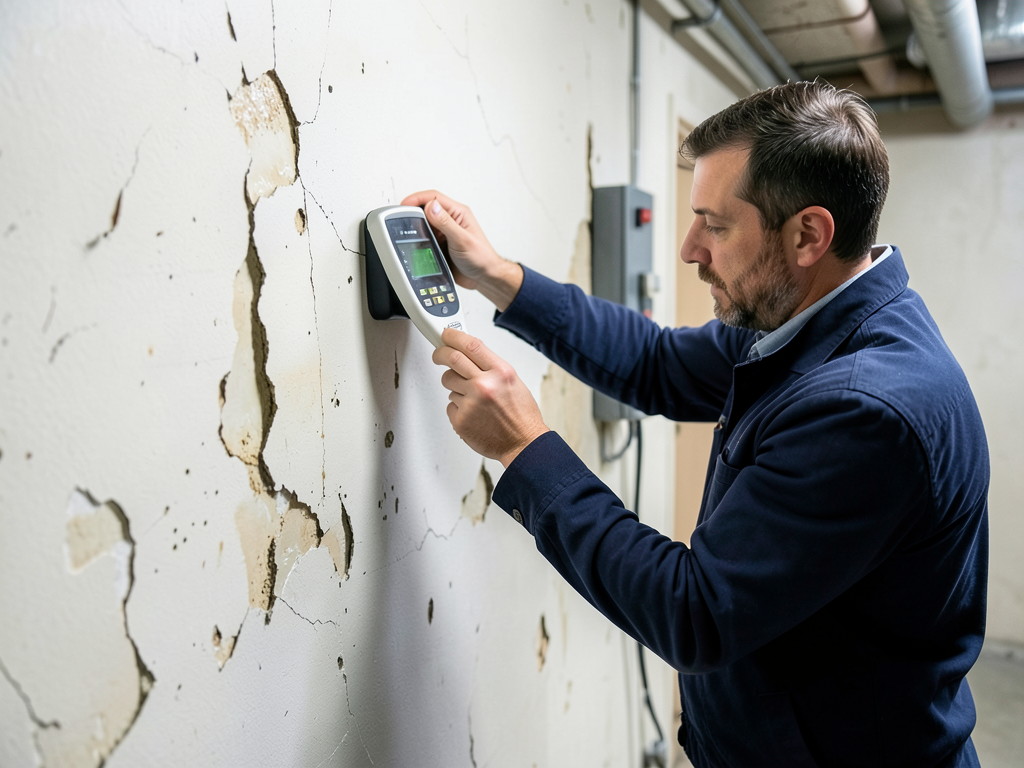
Our truck-mounted extraction systems remove standing water at rates exceeding 150 gallons per minute. We use weighted wands to extract water from carpet and padding without damaging fibers. For hard surfaces like tile and concrete, we deploy self-propelled riding extractors that cover 3,000 square feet per hour. Retail water remediation requires documenting baseline moisture readings using penetrating moisture meters and non-invasive infrared cameras to establish drying benchmarks.

We place commercial-grade low-grain refrigerant dehumidifiers and axial air movers in calculated positions based on psychrometric principles. Air movement creates evaporation at material surfaces. Dehumidifiers remove moisture from the air. This combination drops relative humidity to 30% to 40%, which arrests microbial growth and accelerates structural drying. We monitor drying progress every 24 hours using moisture meters on floors, walls, and fixtures until readings match pre-loss conditions.

Our teams coordinate with your insurance adjuster to document the loss using photo evidence, moisture maps, and equipment logs. We provide daily progress reports that outline square footage dried, moisture levels, and projected completion timelines. This documentation protects you from claim disputes and establishes a clear remediation timeline. Commercial retail water extraction is project management combined with technical execution. We handle both.

What Happens During Your Store's Water Cleanup

Retail Store Water Cleanup in Louisville – Minimize Downtime and Protect Your Bottom Line
01

Emergency Response and Assessment

We arrive on-site within 90 minutes to assess the scope of water intrusion. Our technicians identify the water source, classify the contamination level, and measure affected square footage. We document visible damage using thermal imaging to detect hidden moisture in walls, under flooring, and within ceiling plenums. You receive an immediate verbal assessment and written scope of work before extraction begins.
02

Water Extraction and Containment

Truck-mounted extractors remove standing water from all affected surfaces. We set up containment barriers to isolate damaged areas from operational retail space, allowing you to serve customers in unaffected sections. Weighted extraction wands pull water from carpeting and padding. Riding extractors cover large tile or concrete areas. We place desiccant or refrigerant dehumidifiers based on the material types and humidity levels measured during assessment.
03

Monitored Drying and Clearance

We monitor moisture levels daily using penetrating and non-invasive meters until all materials return to dry standard. Air movers and dehumidifiers run continuously under our supervision. Once readings stabilize at or below 15% wood moisture content and 12% for concrete, we remove equipment and provide a completion report. You receive documentation showing before-and-after moisture readings, equipment placement logs, and photographic evidence of full remediation for insurance and liability purposes.

Why Louisville Retailers Trust Local Water Damage Specialists

Elite Water Damage Restoration Louisville operates with an understanding of Jefferson County commercial building codes and Louisville Metro Health Department guidelines for post-water-damage occupancy. We know the difference between mitigation requirements for Category 1 clean water events and Category 3 contaminated water from sewer backups or flooding. This knowledge prevents code violations that delay your reopening or trigger fines.

Our teams have worked in Louisville's retail corridors, from Hurstbourne Lane shopping centers to Frankfort Avenue boutiques. We understand the construction methods used in pre-1950s brick commercial buildings versus modern steel-frame retail developments. Older structures require different drying strategies due to plaster walls, hardwood subfloors, and limited vapor barriers. Modern buildings present challenges with moisture trapped behind vinyl wallcoverings and within insulated wall cavities.

Local presence matters when you need rapid response. We dispatch from Louisville, not a regional hub two hours away. Our equipment staging warehouse stocks truck-mounted extractors, thermal foggers, hydroxyl generators, and HEPA air scrubbers ready for immediate deployment. We do not subcontract to third-party vendors. Every technician on your property is a trained Elite Water Damage Restoration Louisville employee.

We carry general liability and pollution liability coverage that protects your business from additional risk during remediation. Our documentation process creates a defensible record if your landlord or insurance carrier questions the scope of work. We provide itemized invoices that break down labor, equipment, and disposal costs with enough detail to satisfy commercial insurance adjusters and accounting departments. Retail water damage restoration is a time-sensitive business decision, and we treat it as such.

What Louisville Retailers Should Expect During Water Cleanup

Response Time and Availability

We operate 24 hours a day, 365 days a year, because water damage does not wait for business hours. Call (502) 370-2711 at 2 a.m. or on a holiday, and you will speak to a dispatcher who can deploy a technician crew within 90 minutes. Our average on-site arrival time for commercial calls in Jefferson County is 75 minutes from initial contact. Speed matters. The faster we extract water and establish drying conditions, the less inventory you lose and the shorter your closure period. We prioritize commercial retail clients because we understand revenue loss compounds every hour your doors stay closed.

Initial Assessment and Scope Documentation

You receive a written scope of work before we begin extraction. Our assessment includes moisture mapping using infrared cameras, contamination classification based on water source, and a square footage calculation of affected areas. We photograph all damage and document pre-loss conditions. This creates a defensible record for insurance claims and liability purposes. You will know exactly what work we plan to perform, what equipment we will use, and how long the project will take. No surprises. No scope creep. We communicate directly with your property manager, insurance adjuster, and corporate risk management team as needed to keep all stakeholders informed.

Quality of Remediation and Clearance Standards

We dry your retail space to IICRC S500 standards, which means all affected materials must return to dry equilibrium before we remove equipment. Concrete slabs must read below 12% moisture content. Wood framing and subfloors must drop below 15%. Drywall must reach below 17%. We verify these readings using calibrated Tramex and Delmhorst moisture meters. You receive a completion report with date-stamped moisture readings, equipment run-time logs, and photographic documentation showing full remediation. This report satisfies insurance requirements and provides proof of professional mitigation if mold or structural issues appear later. We do not cut corners to finish faster.

Post-Remediation Support and Documentation

After equipment removal, we provide a certificate of completion and a summary report suitable for submission to your insurance carrier. If you discover additional damage or have questions about material replacement, we remain available for consultation at no additional charge. We store your project file for seven years, which allows you to request copies of moisture logs, photos, or scope documents if you need them for future insurance claims or property sales. Our documentation protects you from liability and provides a clear record that professional remediation occurred. You also receive recommendations for preventive measures like backflow valves, sump pump upgrades, or roof maintenance to reduce future water intrusion risk.

Frequently Asked Questions

You Have Questions,
We Have Answers

How much does a water restoration company charge? +

Water restoration costs for retail stores vary based on damage extent, affected square footage, and water category. Class 1 incidents (minimal absorption) cost less than Class 4 (deep saturation). Commercial jobs in Louisville typically involve equipment rental, labor, antimicrobial treatments, and disposal fees. Extraction and drying services are billed separately from structural repairs. Insurance often covers emergency mitigation costs. Request itemized estimates from contractors who provide transparent pricing. Most companies offer free inspections to assess your specific situation. Avoid flat-rate quotes without a thorough site evaluation, as hidden damage can inflate final costs.

How to keep a retail store clean? +

Retail store cleanliness requires daily sweeping, mopping, and restroom maintenance. Establish protocols for spill response to prevent slip hazards and water infiltration into flooring. Louisville's humidity accelerates mold growth, so maintain HVAC systems and monitor moisture levels. Schedule deep cleaning for high-traffic zones like entrances and fitting rooms. Train staff to spot early water damage signs around plumbing fixtures, HVAC units, and display areas. Use commercial-grade floor mats to reduce tracked-in moisture. Inspect roofs and gutters quarterly, especially before storm seasons. Proactive maintenance prevents costly water damage events that disrupt operations.

What kills mold after a water leak? +

EPA-registered antimicrobial solutions and HEPA vacuuming kill mold after water leaks. Professional remediation uses fungicides, encapsulants, and negative air pressure to contain spores. For commercial spaces, removal requires extracting affected materials like drywall and insulation, then treating structural components. Louisville's high humidity demands dehumidification during treatment to prevent regrowth. Bleach only kills surface mold on non-porous materials and does not address root systems. IICRC-certified technicians identify mold species and apply targeted biocides. Air scrubbers remove airborne spores during remediation. Proper drying and moisture control prevent recurrence better than chemicals alone.

Do you have to throw everything away after a flood? +

You do not need to discard everything after a flood. Salvageability depends on water category, material type, and exposure duration. Clean water (Category 1) allows recovery of most hard goods and sealed merchandise. Contaminated water (Category 3) requires disposing of porous items like fabric and cardboard. Metal fixtures, glass, and sealed products can be sanitized. Retail inventory with packaging damage may face insurance write-offs. Document losses with photos before disposal. Professional restoration teams assess salvageability using moisture meters and contamination testing. Quick response within 24-48 hours maximizes recovery rates and reduces financial losses.

Do you need a license for water restoration? +

Kentucky does not mandate specific state licensing for water restoration contractors, but reputable companies carry IICRC certifications in Water Damage Restoration and Applied Microbial Remediation. These credentials prove technical competency in extraction, drying, and contamination protocols. Verify general contractor licenses for structural repairs and trade-specific licenses for plumbing or electrical work. Insurance restoration requires proof of liability coverage and workers compensation. Ask for certifications before hiring. Louisville businesses benefit from contractors familiar with local building codes and insurance claim processes. Unlicensed operators pose liability risks and may deliver substandard work that worsens damage.

Is Servpro affordable? +

Servpro's pricing reflects franchise overhead and national brand positioning. Costs vary by location and job scope. Louisville retail clients should compare multiple estimates to assess value. Franchise operations may charge more than independent contractors for identical services. Request itemized breakdowns covering extraction, drying, antimicrobial treatment, and disposal. Insurance partnerships can streamline claims but do not guarantee lower costs. Evaluate response time, equipment quality, and technician certifications alongside price. Affordable does not always mean cost-effective if corners are cut. Focus on long-term outcomes like preventing secondary damage rather than initial quote amounts.

Is $50 an hour for cleaning good? +

Fifty dollars per hour for commercial cleaning in Louisville falls within industry standards for routine janitorial services. Emergency water extraction and restoration command higher rates due to specialized equipment, certifications, and 24/7 availability. Retail water cleanup involves technical skills beyond basic cleaning, including moisture mapping, thermal imaging, and structural drying. Evaluate hourly rates against scope of work and technician expertise. Some contractors charge project-based fees instead of hourly. Request detailed proposals comparing labor costs, equipment fees, and material charges. Cheap labor often results in incomplete drying, leading to mold growth and costlier remediation later.

What is the 80/20 rule for cleaning? +

The 80/20 rule states that 80 percent of results come from 20 percent of efforts. For retail cleaning, focus on high-impact zones like entrances, checkout counters, and restrooms where customer perception forms. These areas accumulate 80 percent of visible dirt despite representing 20 percent of square footage. Prioritize tasks that prevent water damage, such as drain maintenance and leak inspections, over cosmetic tasks. This efficiency principle helps allocate labor budgets and prevents resource waste. Apply the same logic to water damage prevention by addressing the few critical failure points that cause most incidents.

What are the 7 P's of retail? +

The 7 P's of retail are Product, Price, Place, Promotion, People, Process, and Physical Evidence. Water damage directly impacts Physical Evidence by degrading store appearance and creating safety hazards. Flood-damaged flooring, stained ceilings, and musty odors erode customer trust and brand perception. Process suffers when water emergencies disrupt operations and inventory access. People (staff and customers) face health risks from mold and contaminated water. Louisville retailers must protect these elements through proactive water damage prevention, rapid emergency response, and thorough restoration to maintain competitive positioning and customer experience standards.

What are the 10 warning signs of mold toxicity? +

Mold toxicity warning signs include chronic fatigue, headaches, respiratory issues, brain fog, joint pain, skin rashes, sinus congestion, eye irritation, digestive problems, and mood changes. Retail employees exposed to water-damaged environments may experience these symptoms collectively. Louisville's humidity accelerates post-flood mold growth, increasing exposure risks. Commercial spaces require professional air quality testing if multiple staff report symptoms. OSHA mandates employer responsibility for workplace safety, including mold remediation. Ignoring employee health complaints creates liability exposure. Address water leaks immediately and conduct thorough drying to prevent mold colonization. Professional restoration eliminates health hazards and protects your workforce.

How Louisville's Flood Plain Geography Increases Retail Water Damage Risk

Louisville sits at the fall line of the Ohio River, which creates persistent flood risk for retail districts in low-lying areas like Butchertown, Portland, and sections of Bardstown Road. Spring thunderstorms drop two to three inches of rain in under an hour, overwhelming storm sewers designed for lower flow rates. Retail stores built on slab foundations experience groundwater intrusion through concrete cracks and expansion joints. The high water table in areas near Beargrass Creek means subsurface moisture migrates into basement storage areas and crawl spaces even without visible surface flooding. Commercial retail water extraction in Louisville requires understanding these hydrology patterns and deploying extraction strategies that address both surface water and subsurface moisture migration.

Elite Water Damage Restoration Louisville maintains relationships with local commercial property managers, shopping center operators, and retail landlords across Jefferson County. We understand Louisville Metro code requirements for occupancy after water damage events, including Health Department inspections for mold clearance in food service retail spaces. Our familiarity with local building inspectors and insurance adjusters streamlines the approval process for reopening your store. When you hire a local team, you benefit from established communication channels and a reputation built over years of consistent, documented work. We do not operate as a franchise. We are Louisville-based, Louisville-focused, and accountable to this community.

Water Damage Services in The Louisville Area

Elite Water Damage Restoration is proud to serve the entire Louisville metropolitan area and surrounding communities. We are committed to providing top-tier water damage solutions to all residents and businesses in our service region. Feel free to explore our service map to confirm your location is within our coverage area or simply give us a call to discuss your specific needs. Our team is ready to help restore your property with speed and professionalism.

Address:
Elite Water Damage Restoration Louisville, 1000 E Kentucky St., Louisville, KY, 40204

Additional Services We Offer

Our news updates

Latest Articles & News from The Blogs

Why your house still smells musty after the water is gone and how to fix it \n\n That musty odor…

Why your house still smells musty after the water is gone and how to fix it

Why your house still smells musty after the water is gone and how to fix it \n\n That musty odor…

Why those rubber washing machine hoses are a ticking time bomb for your Fern Creek laundry room

Why those rubber washing machine hoses are a ticking time bomb for your Fern Creek laundry room Every year thousands…

Keeping your pets safe from mold and bacteria after a Louisville basement leak

Keeping Your Pets Safe from Mold and Bacteria After a Louisville Basement Leak A basement leak in Louisville creates immediate…

Contact Us

Call Elite Water Damage Restoration Louisville at (502) 370-2711 right now. We dispatch crews 24/7 and arrive on-site within 90 minutes to stop the damage, extract water, and get your store back to business.