



Menu

Mold Remediation & Removal in Louisville – Certified Containment and Permanent Decontamination

Elite Water Damage Restoration Louisville delivers EPA-compliant mold remediation using controlled negative air pressure, HEPA filtration, and antimicrobial treatments to eliminate colonies at the source and prevent regrowth in your property.

Slider Image 1
Slider Image 2
Slider Image 3
Slider Image 4
Slider Image 5
Slider Image 7
Slider Image 8
Slider Image 9
Slider Image 10
Slider Image 11

Why Mold Thrives in Louisville Homes and Businesses

Louisville sits in a humid subtropical zone where average relative humidity hovers between 65 and 75 percent year-round. This moisture-saturated air creates perfect breeding conditions for mold spores, especially in crawl spaces, basements, and wall cavities common in older Clifton and Crescent Hill properties. When summer thunderstorms dump two inches of rain in an hour, water seeps through foundation cracks and saturates porous building materials. The Ohio River's proximity adds another layer of ambient moisture that accelerates mold colonization after even minor water intrusion events.

Mold abatement in Louisville requires understanding how the region's clay soil creates hydrostatic pressure against foundation walls. As groundwater rises during spring flooding, it pushes moisture through concrete block and poured foundations. This subsurface water feeds hidden mold growth behind drywall and beneath flooring. Homeowners often discover black or green patches weeks after the initial water damage, when colonies have already released millions of reproductive spores into the HVAC system.

Professional mold removal addresses both visible surface growth and airborne contamination. Surface cleaning alone does not solve the problem. Spores travel through ductwork and settle in carpets, upholstery, and ceiling tiles throughout the structure. Without proper containment and air scrubbing, mold decontamination becomes a cycle of temporary fixes that waste time and money while health risks escalate.

Why Mold Thrives in Louisville Homes and Businesses
How Proper Mold Mitigation Protects Your Property and Health

How Proper Mold Mitigation Protects Your Property and Health

Effective mold cleanup services begin with establishing containment barriers using six-mil polyethylene sheeting and negative air machines. We seal off contaminated zones to prevent cross-contamination during demolition and cleaning. HEPA-rated air scrubbers create negative pressure differentials, pulling airborne spores into filtration units that capture particles down to 0.3 microns. This engineering approach stops spore migration to clean areas of your property.

Our technicians remove porous materials like drywall, insulation, and ceiling tiles that harbor embedded hyphae networks. Non-porous surfaces receive HEPA vacuuming followed by antimicrobial application using EPA-registered fungicides. We do not rely on bleach or household cleaners, which kill surface mold but leave root structures intact. Professional-grade biocides penetrate substrates to destroy cellular structures and prevent regrowth.

Moisture source elimination is non-negotiable. We trace water intrusion to its origin, whether that is a roof leak, plumbing failure, or foundation seepage. Installing vapor barriers in crawl spaces, repairing grading issues, and addressing HVAC condensation problems removes the water mold needs to survive. Dehumidification equipment brings indoor humidity below 50 percent, the threshold where most species cannot reproduce. Post-remediation verification testing confirms clearance through third-party air sampling and surface swabs.

The difference between amateur cleanup and certified mold mitigation shows up months later. Cutting corners on containment spreads contamination. Skipping moisture control guarantees recurrence. Using inadequate PPE exposes occupants to mycotoxins and allergens during the work itself.

What Happens During Professional Mold Decontamination

Mold Remediation & Removal in Louisville – Certified Containment and Permanent Decontamination
01

Inspection and Air Testing

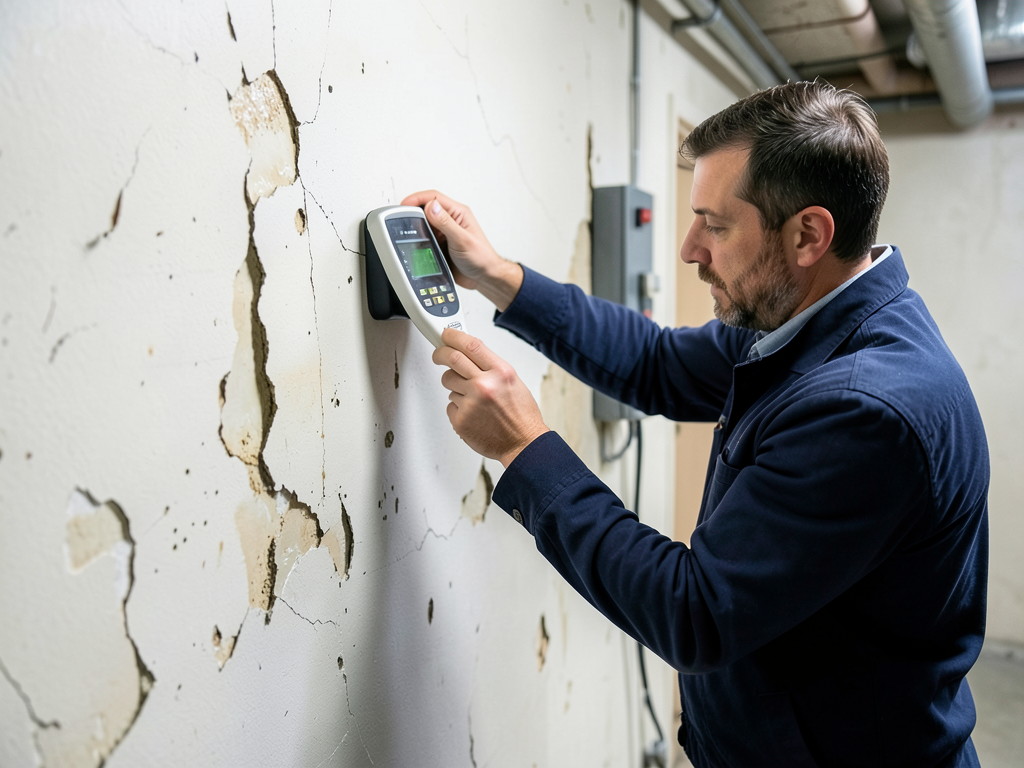
Our technicians conduct moisture mapping using thermal imaging and pin-type meters to identify wet building materials behind finished surfaces. We collect air samples from affected zones and control areas to establish baseline spore counts. This data determines contamination severity and guides containment strategy. Surface sampling identifies specific mold genera, which informs antimicrobial selection and health risk assessment for occupants with respiratory sensitivities.
02

Containment and Removal

We build physical barriers using polyethylene sheeting and create negative pressure zones with HEPA air scrubbers. Contaminated materials get bagged in six-mil plastic and removed through external access points to avoid tracking spores through living spaces. Non-porous surfaces receive HEPA vacuuming and antimicrobial treatment. We strip carpeting, padding, and baseboards when moisture readings exceed acceptable levels. Structural drying equipment runs continuously to reach target moisture content below 15 percent.
03

Verification and Prevention

Post-remediation air sampling confirms spore counts match or fall below outdoor ambient levels. We document moisture readings across all building materials to verify complete drying. Final walkthrough includes reviewing moisture source corrections and providing humidity control recommendations. You receive a detailed report documenting all testing, removal procedures, and clearance results. This documentation satisfies insurance requirements and provides proof of proper remediation for future property transactions or tenant disclosures.

Why Louisville Property Owners Choose Elite Water Damage Restoration

We understand Louisville's specific mold challenges because we work in these conditions every day. The combination of Ohio River valley humidity, clay soil hydrostatic pressure, and aging housing stock in neighborhoods like Old Louisville and Germantown creates unique remediation requirements. Homes built before 1950 often lack proper vapor barriers and foundation waterproofing, making them vulnerable to chronic moisture intrusion. We tailor our approach based on construction type, foundation design, and site drainage patterns common to your specific area.

Our team holds IICRC Applied Microbial Remediation Technician certification and follows industry standards for containment, removal, and clearance testing. We coordinate with industrial hygienists and environmental consultants when third-party oversight is required. This expertise matters when dealing with insurance adjusters who scrutinize mold claims or when health department inspections require documented compliance with remediation protocols.

Local knowledge extends to understanding Louisville Metro permitting requirements for significant demolition work and disposal regulations for contaminated materials. We manage the administrative burden so you can focus on getting your property habitable again. Our relationships with local restoration suppliers mean we access specialized equipment and antimicrobial products faster than national franchise operators who order from distant warehouses.

Response time determines remediation success. Mold colonies double in size every 24 to 48 hours under ideal moisture conditions. We arrive within two hours of your call to begin containment and stop the spread. Our trucks carry industrial dehumidifiers, HEPA air scrubbers, and moisture detection equipment, so we start mitigation immediately rather than scheduling a follow-up visit.

What to Expect from Our Mold Remediation Process

Immediate Response and Assessment

We dispatch a certified technician within two hours of your call to evaluate contamination extent and begin containment setup. Initial moisture mapping and visual inspection typically takes 60 to 90 minutes, depending on property size. You receive a detailed scope of work and project timeline before remediation begins. Most residential projects take three to five days from containment to clearance testing. Commercial projects require longer timelines based on square footage and operational requirements. Emergency containment begins immediately to stop spore spread while we finalize testing and develop the full remediation plan.

Comprehensive Testing and Documentation

We collect air and surface samples before starting work to establish baseline contamination levels. Samples go to accredited laboratories for species identification and spore count analysis. Results typically return within 48 to 72 hours. This data determines whether containment requires single-zone isolation or multi-room barriers. Post-remediation clearance testing uses the same protocols to verify successful decontamination. You receive laboratory reports, moisture readings, photo documentation, and a detailed remediation summary. This package satisfies insurance claims requirements and provides legal protection for property transfers or tenant occupancy.

Complete Decontamination and Restoration

Our work does not stop at removing visible mold. We address the moisture source, dry affected structures to acceptable levels, and apply antimicrobial treatments to prevent recurrence. HEPA vacuuming and air scrubbing eliminate airborne spores from HVAC systems and ductwork. We replace insulation, drywall, and flooring removed during remediation, returning your property to pre-loss condition. Final clearance testing confirms air quality meets acceptable standards. The result is a property free of active mold growth with moisture conditions corrected to prevent future colonization.

Moisture Control and Prevention Strategy

Mold remediation fails without addressing underlying moisture problems. We provide written recommendations for crawl space encapsulation, foundation waterproofing, grading corrections, and HVAC improvements based on findings during inspection. Dehumidification equipment remains onsite until all building materials reach target moisture content. We install humidity monitors and provide guidance on maintaining indoor relative humidity below 50 percent. Follow-up moisture inspections at 30 and 90 days ensure corrections remain effective. While we do not guarantee against future water intrusion from new sources, our moisture control measures significantly reduce recurrence risk from the original problem.

Frequently Asked Questions

You Have Questions,
We Have Answers

How much does it cost to remove mold? +

Mold removal costs in Louisville typically range based on the size and severity of the contamination. Small areas under 10 square feet may cost a few hundred dollars, while whole-house projects involving crawl spaces or HVAC systems run several thousand. Factors include the mold type, location accessibility, structural damage, and whether demolition is needed. Louisville's high humidity from the Ohio River Valley increases moisture intrusion risks, which can expand remediation scope. Most companies offer free inspections to assess your situation. Avoid cut-rate services that skip containment or proper air filtration, as incomplete work causes recontamination.

What is the difference between mold removal and mold remediation? +

Mold removal means physically eliminating visible mold from surfaces. Mold remediation is the complete process of identifying the moisture source, containing the affected area, removing contaminated materials, treating surfaces with antimicrobials, and preventing future growth. Remediation addresses the root cause, not just symptoms. In Louisville's humid climate, simply scrubbing mold without fixing leaks or improving ventilation guarantees it returns within weeks. Proper remediation includes air quality testing, dehumidification, and structural drying. Removal is one step. Remediation is the full solution that protects your property long-term.

How much does full mold remediation cost? +

Full mold remediation in Louisville depends on contamination extent and property size. A single-room project with limited spread may cost under a thousand dollars. Whole-home remediation involving multiple rooms, crawl space encapsulation, or HVAC cleaning can reach five figures. Costs include inspection, air testing, containment setup, removal of affected drywall or insulation, antimicrobial treatment, dehumidification equipment, and post-remediation verification. Louisville's older housing stock and basement moisture issues often require extensive work. Insurance may cover remediation if tied to a covered water loss. Get detailed written estimates before work begins.

Is professional mold removal worth it? +

Yes. Professional mold remediation is worth it because mold spreads rapidly and poses serious health risks. Technicians use containment barriers, HEPA filtration, and industrial dehumidifiers that you cannot rent at hardware stores. They identify hidden growth behind walls or under flooring. Louisville's climate creates persistent moisture problems that DIY methods cannot solve. Professionals also document the process for insurance claims and future home sales. Cutting corners risks spreading spores throughout your HVAC system or missing black mold in wall cavities. The investment protects your health, property value, and prevents costly recontamination.

What kills mold permanently? +

Nothing kills mold permanently if moisture remains. Effective mold elimination requires removing the water source, then treating surfaces with EPA-registered antimicrobials or fungicides. Professionals use hospital-grade disinfectants and encapsulants that seal porous materials. Severely contaminated drywall, insulation, or carpet must be removed and discarded because mold roots penetrate deep into fibers. In Louisville, controlling humidity below 50 percent and fixing basement seepage or roof leaks prevents regrowth. HEPA air scrubbers remove airborne spores during treatment. Permanent mold control combines chemical treatment, material removal, and ongoing moisture management. Surface cleaning alone fails.

What are signs of mold exposure? +

Mold exposure symptoms include persistent coughing, wheezing, nasal congestion, throat irritation, skin rashes, and headaches. Sensitive individuals may experience asthma attacks or difficulty breathing. Long-term exposure causes chronic fatigue and respiratory infections. You may notice musty odors or see visible growth on walls, ceilings, or around windows. Louisville's humidity creates ideal conditions for hidden mold in crawl spaces and basements, where spores circulate through HVAC systems. If symptoms worsen at home but improve when you leave, mold contamination is likely. Seek medical attention and schedule a professional mold inspection immediately.

Do you have to throw everything away with mold in the house after? +

No. You do not have to discard everything after mold contamination. Hard, non-porous items like glass, metal, and hard plastic can be cleaned and disinfected. Porous materials like drywall, insulation, carpet, and upholstered furniture with visible mold growth must be removed. Clothing and linens can often be salvaged through hot water washing and drying. The decision depends on contamination severity and material type. Professionals assess each item during remediation. In Louisville, high humidity can cause mold to penetrate fabrics quickly, so act fast. Sentimental items may be salvageable with specialized cleaning.

Can I remediate mold myself? +

You can handle very small mold patches under 10 square feet on non-porous surfaces using proper precautions. Wear an N95 mask, gloves, and eye protection. Use detergent and water, then dry completely. However, DIY remediation fails for larger areas, hidden mold, or contaminated HVAC systems. You lack professional containment equipment, HEPA filtration, and moisture meters to locate all growth. Louisville's persistent humidity means missed moisture sources guarantee regrowth. Black mold, crawl space contamination, and structural mold require professionals. DIY attempts often spread spores throughout your home. Know your limits.

Is it hard to sell a house that has had mold remediation? +

Properly documented mold remediation should not hurt resale value. Kentucky disclosure laws require sellers to reveal known mold issues, but completed professional remediation with documentation shows the problem was addressed correctly. Buyers want proof the moisture source was fixed and clearance testing confirmed safe air quality. Homes in Louisville with unresolved moisture problems or hidden mold damage lose value and scare buyers. Conversely, professional remediation with warranties and post-testing reports can reassure buyers. Keep all invoices, lab reports, and before-and-after photos. Transparency and documentation protect your sale price.

Can a house full of mold be saved? +

Yes. Most mold-infested homes can be saved through aggressive remediation. Even severe contamination is fixable if the structure remains sound. Professionals remove affected drywall, insulation, and flooring, treat framing lumber, and encapsulate crawl spaces. Louisville's older homes often have extensive basement or crawl space mold but strong bones worth saving. The key is eliminating moisture sources like foundation cracks, poor grading, or plumbing leaks. After material removal and antimicrobial treatment, rebuilding with mold-resistant products prevents recurrence. Homes are salvageable unless structural rot compromises safety. Act quickly to minimize damage.

How Louisville's Ohio River Valley Climate Drives Mold Growth

The Ohio River's proximity creates persistent atmospheric moisture that accelerates mold colonization in Louisville properties. Summer dew points regularly exceed 70 degrees, creating conditions where condensation forms on cold surfaces like basement walls and AC ducts. Spring flooding raises groundwater tables, pushing moisture through foundation walls via capillary action and hydrostatic pressure. Older neighborhoods built on floodplain soils experience chronic basement dampness that feeds continuous mold growth cycles. Professional mold decontamination in this environment requires understanding how regional hydrology and seasonal humidity patterns impact building envelope performance.

Elite Water Damage Restoration Louisville has remediated mold in everything from Butchertown shotgun houses to St. Matthews commercial buildings. We understand how Louisville's mixed architectural heritage, from Victorian-era homes to mid-century ranches, presents different moisture management challenges. Crawl space construction common in pre-1960 homes creates hidden mold reservoirs. Brick veneer walls without proper flashing trap water between exterior and interior walls. Our familiarity with local building practices means we know where to look for hidden growth and how to prevent recurrence based on your property's specific construction type and site conditions.

Water Damage Services in The Louisville Area

Elite Water Damage Restoration is proud to serve the entire Louisville metropolitan area and surrounding communities. We are committed to providing top-tier water damage solutions to all residents and businesses in our service region. Feel free to explore our service map to confirm your location is within our coverage area or simply give us a call to discuss your specific needs. Our team is ready to help restore your property with speed and professionalism.

Address:
Elite Water Damage Restoration Louisville, 1000 E Kentucky St., Louisville, KY, 40204

Additional Services We Offer

Our news updates

Latest Articles & News from The Blogs

Why your house still smells musty after the water is gone and how to fix it \n\n That musty odor…

Why your house still smells musty after the water is gone and how to fix it

Why your house still smells musty after the water is gone and how to fix it \n\n That musty odor…

Why those rubber washing machine hoses are a ticking time bomb for your Fern Creek laundry room

Why those rubber washing machine hoses are a ticking time bomb for your Fern Creek laundry room Every year thousands…

Keeping your pets safe from mold and bacteria after a Louisville basement leak

Keeping Your Pets Safe from Mold and Bacteria After a Louisville Basement Leak A basement leak in Louisville creates immediate…

Contact Us

Mold contamination worsens every day you wait. Call Elite Water Damage Restoration Louisville at (502) 370-2711 for immediate containment and certified decontamination. We arrive within two hours to stop spore spread and begin professional mold mitigation.