The surprising ways water damage can destroy your home’s electrical system
Water and electricity do not mix. When flooding hits Louisville homes, the damage often goes far beyond wet carpets and ruined drywall. Moisture can silently corrode wiring, short out breakers, and create hidden fire hazards inside your walls. Understanding these risks is the first step toward protecting your family and property. Fast response flood cleanup services near Hikes Point and the Highlands.
Standing water near outlets or submerged panels can cause immediate electrocution. Even small amounts of moisture inside junction boxes can lead to corrosion that fails months later. In Louisville’s humid climate, the threat is constant. Homes near the Ohio River or in low-lying areas face higher flood risks. Older neighborhoods like Old Louisville and The Highlands often have aging wiring that is especially vulnerable.
Common electrical hazards after water damage
Floodwater can introduce several hidden dangers. One of the most serious is electrocution. Water conducts electricity, and even a small puddle near a damaged outlet can carry enough current to cause severe injury or death. Another major risk is fire. When moisture corrodes wire insulation or overloads circuits, heat builds up and can ignite surrounding materials.
Corrosion is a slow but serious threat. Copper wiring exposed to moisture begins to oxidize, weakening the metal and increasing resistance. Over time, this can cause overheating, voltage drops, or complete failure. In Louisville’s humid summers, corrosion can accelerate. Category 3 water—sewage or floodwater—contains contaminants that speed up the breakdown of electrical components. Professional Sewage Backup Cleaning and Sanitization in Jeffersontown.
Ground Fault Circuit Interrupters (GFCIs) are designed to protect against shock, but they can fail after water exposure. If a GFCI trips and does not reset, it may indicate hidden moisture inside the wiring. Replacing it without addressing the underlying water issue can leave your home unsafe.
Why certified water damage restoration is necessary for electrical safety
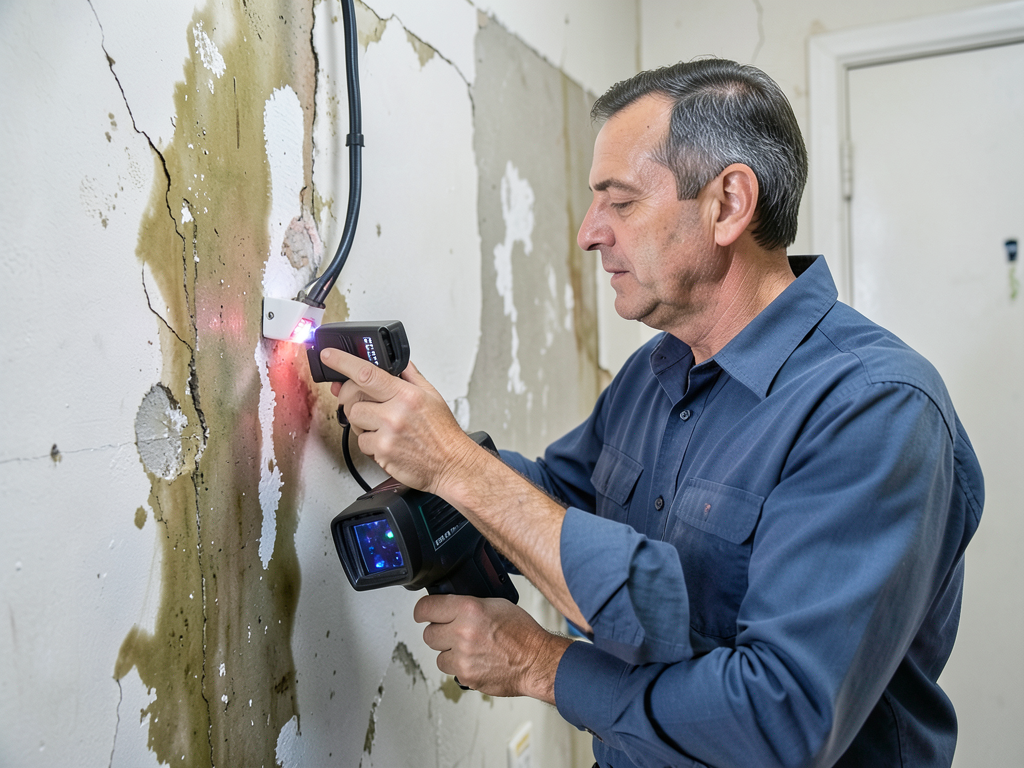
Professional restoration is not just about drying floors. Certified technicians use moisture meters and thermal imaging to detect hidden dampness inside walls and ceilings. They understand how to isolate electrical systems during cleanup and when to call a licensed electrician. In Louisville, local building codes require permits for electrical repairs after flooding. Skipping this step can void insurance and create liability. Sump Pump Failure Cleanup.
According to the National Fire Protection Association, electrical failures or malfunctions were the second leading cause of U.S. home fires from 2015-2019. Water damage is a major contributing factor. The Institute of Inspection Cleaning and Restoration Certification (IICRC) S500 standard outlines procedures for safely restoring water-damaged structures, including electrical safety protocols. National Fire Protection Association.
Professional-grade equipment, such as industrial dehumidifiers and air movers, can dry materials without overloading circuits. Consumer-grade fans and shop vacs often lack the power and safety features needed for large-scale water events. In Louisville, where heavy spring rains and Ohio River flooding are common, having the right equipment makes a critical difference.
Working with LG&E: how to safely request a power disconnect in Louisville
If your home is flooded, the safest step is to shut off power at the main breaker. If the panel is submerged or inaccessible, call Louisville Gas & Electric (LG&E) for an emergency disconnect. In Louisville, you can reach LG&E at 502-589-1444 for 24/7 emergency service. Never attempt to flip breakers in standing water.
LG&E crews can disconnect service at the meter or transformer, eliminating the risk of shock while restoration work proceeds. This is especially important in Louisville’s older neighborhoods, where fuse boxes and outdated panels are common. After repairs, LG&E will inspect and restore power only when it is safe to do so.
Documenting the disconnect and restoration process is important for insurance claims. Take photos of the damage and keep records of all communications with utilities and contractors. In Louisville, the Metropolitan Sewer District (MSD) may also need to inspect drainage systems if flooding was caused by sewer backup.
5 critical steps to take if your home floods
Acting quickly can prevent further damage and keep your family safe. Follow these steps if you experience flooding in your Louisville home:
- Evacuate if necessary. If water is near electrical panels or outlets, leave the home immediately and call for help.
- Shut off power. If safe, turn off the main breaker. If the panel is wet or inaccessible, call LG&E for a disconnect.
- Document the damage. Take clear photos and videos for insurance purposes before cleanup begins.
- Call a certified restoration company. Look for IICRC-certified firms with experience in Louisville’s climate and building codes.
- Schedule an electrical inspection. Even if power is restored, have a licensed electrician check for hidden damage before resuming normal use.
Hidden moisture in wall cavities and wiring
Water can travel through walls and ceilings in ways that are not visible to the naked eye. In Louisville’s older homes, plaster and lath construction can trap moisture inside cavities, creating a perfect environment for mold and corrosion. Thermal imaging cameras can reveal temperature differences that indicate hidden dampness.
Moisture meters measure the water content of building materials. A reading above 16% in wood or 20% in drywall suggests active moisture that needs to be addressed. In Louisville, where humidity often exceeds 70%, drying times can be longer than in drier climates. Rushing the process can leave behind moisture that damages wiring over time.
Electrical conduits are another hidden risk. If water enters a conduit, it can travel along the wiring path and reach outlets or switches far from the original leak. This is especially common in Louisville’s slab-on-grade homes, where conduits often run through crawlspaces or under floors.
The danger of category 3 (black water) and contaminated circuits
Category 3 water, also known as black water, includes sewage, river flooding, and water from hurricanes or major storms. This water contains bacteria, viruses, and other pathogens that can contaminate electrical systems. In Louisville, Ohio River flooding often introduces black water into basements and crawlspaces. What to do when your St. Matthews basement floods after a heavy rain.
Contaminated water can corrode contacts, short out breakers, and create long-term fire hazards. Any wiring, outlets, or panels exposed to black water should be replaced, not just cleaned. The IICRC S500 standard requires disposal of porous materials that cannot be fully sanitized, including some electrical components.
In Louisville’s historic districts, such as Old Louisville, many homes have original wiring that is not grounded or up to modern code. After black water exposure, these systems are especially dangerous and should be replaced entirely. Insurance companies often require proof of professional cleanup before covering electrical repairs.
Sump pump electrical safety
Sump pumps are a common source of water damage when they fail. In Louisville, where clay soil and high water tables are common, a failed sump pump can flood a basement in minutes. Most sump pumps run on standard 120-volt circuits, making them vulnerable to electrical issues.
Installing a battery backup or water-powered backup pump can prevent flooding during power outages. In Louisville, where thunderstorms and tornadoes can knock out power, this is a critical safeguard. All sump pump circuits should be protected by GFCI outlets to prevent shock if water reaches the plug. The most reliable storm damage repair team for Fern Creek and Highview residents.
Regular maintenance is key. Test your sump pump every few months by pouring water into the pit and verifying that it activates. Check the cord for damage and ensure the outlet is dry and secure. In Louisville’s humid climate, corrosion can build up on plugs and contacts, increasing the risk of failure.
National Electrical Code (NEC) vs. local Louisville ordinances
The National Electrical Code sets the baseline for safe electrical installation in the U.S. Louisville and Kentucky have adopted the NEC with some local amendments. For example, Louisville Metro requires GFCI protection in basements and crawlspaces, even if the NEC does not mandate it in those areas.
After flooding, Louisville building codes require permits for any electrical work that involves replacing panels, breakers, or wiring. This ensures that repairs meet current safety standards and are inspected by the city. Skipping permits can lead to failed inspections, denied insurance claims, and unsafe conditions.
Local contractors familiar with Louisville’s code nuances can navigate the permitting process more efficiently. They understand the city’s requirements for grounding, bonding, and surge protection in flood-prone areas. This local expertise is a key advantage when restoring electrical systems after water damage.
Professional moisture mapping for electrical conduits
Moisture mapping is a diagnostic process that uses specialized tools to locate hidden water inside walls, ceilings, and floors. In Louisville, where many homes have complex wiring paths and aging infrastructure, moisture mapping can reveal risks that visual inspection misses.
Technicians use infrared cameras to detect temperature variations caused by moisture. They also use penetrating and non-penetrating moisture meters to measure water content in different materials. This data helps determine which areas need drying, which materials must be removed, and whether electrical systems are at risk.
In Louisville’s humid climate, moisture can linger in building materials for weeks. Without proper mapping, restoration crews may declare a home dry when hidden dampness remains. This can lead to mold growth, corrosion, and electrical failures months later. Professional moisture mapping ensures that all risks are addressed before power is restored.
Frequently Asked Questions
Can I turn the power back on after a flood if it looks dry?
No. Even if surfaces appear dry, moisture can remain inside walls, conduits, and electrical boxes. Always have a licensed electrician inspect the system before restoring power.
How long does it take to dry out electrical components?
Drying times vary based on material, humidity, and the extent of water exposure. In Louisville’s humid climate, it can take several days to a week. Professional drying equipment and moisture testing ensure the job is done safely.
Will my insurance cover electrical damage from flooding?
Most homeowners’ policies cover sudden water damage but not gradual leaks or poor maintenance. Document all damage and work with a certified restoration company to maximize your claim. In Louisville, many policies require proof of professional cleanup for electrical repairs to be covered.
What should I do if I see sparks or smoke after a flood?
Evacuate immediately and call 911. Do not attempt to investigate or fix the problem yourself. Sparks or smoke indicate a serious electrical hazard that requires professional intervention.
Are GFCI outlets enough to protect against flood damage?
GFCIs protect against shock but do not prevent corrosion or fire hazards caused by moisture. After flooding, all electrical components should be inspected, and any that were submerged or exposed to water should be replaced.
Conclusion
Water damage can destroy your home’s electrical system in ways that are not immediately visible. From electrocution risks to hidden corrosion, the dangers are serious and often underestimated. In Louisville’s humid climate and flood-prone areas, these risks are even greater.
Acting quickly and calling in certified professionals is the best way to protect your home and family. Do not wait for visible signs of damage—by then, the problem may already be severe. If you have experienced flooding or suspect water damage, call (502) 370-2711 today to schedule your inspection. Your safety is worth it. For more information, visit Institute of Inspection Cleaning and Restoration Certification.
{
“@context”: “https://schema.org”,
“@type”: “BlogPosting”,
“headline”: “The surprising ways water damage can destroy your home’s electrical system”,
“description”: “Learn how flooding, leaks, and moisture can damage your home’s wiring, breakers, and outlets. Discover Louisville-specific safety steps and when to call for emergency help.”,
“wordCount”: 1888,
“datePublished”: “2026-05-27T13:12:00.000Z”,
“dateModified”: “2026-05-27T13:12:00.000Z”,
“inLanguage”: “en-US”,
“mainEntityOfPage”: {
“@type”: “WebPage”,
“@id”: “https://elitewaterdamagerestorationlouisville.com”
},
“publisher”: {
“@type”: “LocalBusiness”,
“name”: “Elite Water Damage Restoration Louisville”,
“url”: “https://elitewaterdamagerestorationlouisville.com”
},
“author”: {
“@type”: “Organization”,
“name”: “Elite Water Damage Restoration Louisville”,
“url”: “https://elitewaterdamagerestorationlouisville.com”
},
“image”: {
“@type”: “ImageObject”,
“url”: “https://elitewaterdamagerestorationlouisville.com/wp-content/uploads/2026/03/the-surprising-ways-water-damage-can-destroy-your-1.png”
}
}
{
“@context”: “https://schema.org”,
“@type”: “LocalBusiness”,
“name”: “Elite Water Damage Restoration Louisville”,
“url”: “https://elitewaterdamagerestorationlouisville.com”,
“address”: {
“@type”: “PostalAddress”,
“addressLocality”: “Louisville”
},
“areaServed”: {
“@type”: “City”,
“name”: “Louisville”
}
}
{
“@context”: “https://schema.org”,
“@type”: “FAQPage”,
“mainEntity”: [
{
“@type”: “Question”,
“name”: “Can I turn the power back on after a flood if it looks dry?”,
“acceptedAnswer”: {
“@type”: “Answer”,
“text”: “No. Even if surfaces appear dry, moisture can remain inside walls, conduits, and electrical boxes. Always have a licensed electrician inspect the system before restoring power.”
}
},
{
“@type”: “Question”,
“name”: “How long does it take to dry out electrical components?”,
“acceptedAnswer”: {
“@type”: “Answer”,
“text”: “Drying times vary based on material, humidity, and the extent of water exposure. In Louisville’s humid climate, it can take several days to a week. Professional drying equipment and moisture testing ensure the job is done safely.”
}
},
{
“@type”: “Question”,
“name”: “Will my insurance cover electrical damage from flooding?”,
“acceptedAnswer”: {
“@type”: “Answer”,
“text”: “Most homeowners’ policies cover sudden water damage but not gradual leaks or poor maintenance. Document all damage and work with a certified restoration company to maximize your claim. In Louisville, many policies require proof of professional cleanup for electrical repairs to be covered.”
}
},
{
“@type”: “Question”,
“name”: “What should I do if I see sparks or smoke after a flood?”,
“acceptedAnswer”: {
“@type”: “Answer”,
“text”: “Evacuate immediately and call 911. Do not attempt to investigate or fix the problem yourself. Sparks or smoke indicate a serious electrical hazard that requires professional intervention.”
}
},
{
“@type”: “Question”,
“name”: “Are GFCI outlets enough to protect against flood damage?”,
“acceptedAnswer”: {
“@type”: “Answer”,
“text”: “GFCIs protect against shock but do not prevent corrosion or fire hazards caused by moisture. After flooding, all electrical components should be inspected, and any that were submerged or exposed to water should be replaced.”
}
}
]
}
{
“@context”: “https://schema.org”,
“@type”: “BreadcrumbList”,
“itemListElement”: [
{
“@type”: “ListItem”,
“position”: 1,
“name”: “Home”,
“item”: “https://elitewaterdamagerestorationlouisville.com”
},
{
“@type”: “ListItem”,
“position”: 2,
“name”: “Blog”,
“item”: “https://elitewaterdamagerestorationlouisville.com/blog”
},
{
“@type”: “ListItem”,
“position”: 3,
“name”: “The surprising ways water damage can destroy your home’s electrical system”
}
]
}
{
“@context”: “https://schema.org”,
“@type”: “Service”,
“serviceType”: “Water Damage Restoration”,
“provider”: {
“@type”: “LocalBusiness”,
“name”: “Elite Water Damage Restoration Louisville”,
“url”: “https://elitewaterdamagerestorationlouisville.com”
},
“areaServed”: {
“@type”: “City”,
“name”: “Louisville”
},
“description”: “Learn how flooding, leaks, and moisture can damage your home’s wiring, breakers, and outlets. Discover Louisville-specific safety steps and when to call for emergency help.”
}