Is high water pressure secretly damaging the plumbing in your new construction home in East Louisville?
Your new home in East Louisville should be a source of pride, not constant plumbing problems. But what if the very water that flows through your pipes is slowly destroying your plumbing system from the inside out? High water pressure is a silent threat that many homeowners don’t discover until it’s too late. Louisville Water Company.
Most Louisville homes experience water pressure between 40 and 60 pounds per square inch (PSI). However, areas near major water mains or in newer developments can see pressure climb to 80 PSI or higher. The Louisville Water Company maintains pressure throughout the system, but once water reaches your meter, the responsibility shifts to you. 24/7 Emergency Water Removal.
High pressure doesn’t just cause annoying issues like banging pipes. It accelerates pipe corrosion, weakens joints, and can lead to catastrophic failures that flood your home with thousands of gallons of water. The damage often starts in hidden spaces behind walls or under floors, making early detection crucial. Fast response flood cleanup services near Hikes Point and the Highlands.
If you’re hearing unusual sounds from your plumbing, noticing frequent leaks, or experiencing premature appliance failures, your water pressure might be the culprit. Understanding the risks and taking preventive action can save you from costly repairs and extensive water damage restoration. Sump Pump Failure Cleanup.
Understanding the danger zone: What PSI is too high?
Residential plumbing systems are designed to operate within specific pressure ranges. The International Plumbing Code sets the maximum allowable pressure at 80 PSI for residential properties. Anything above this threshold puts your entire plumbing system at risk.
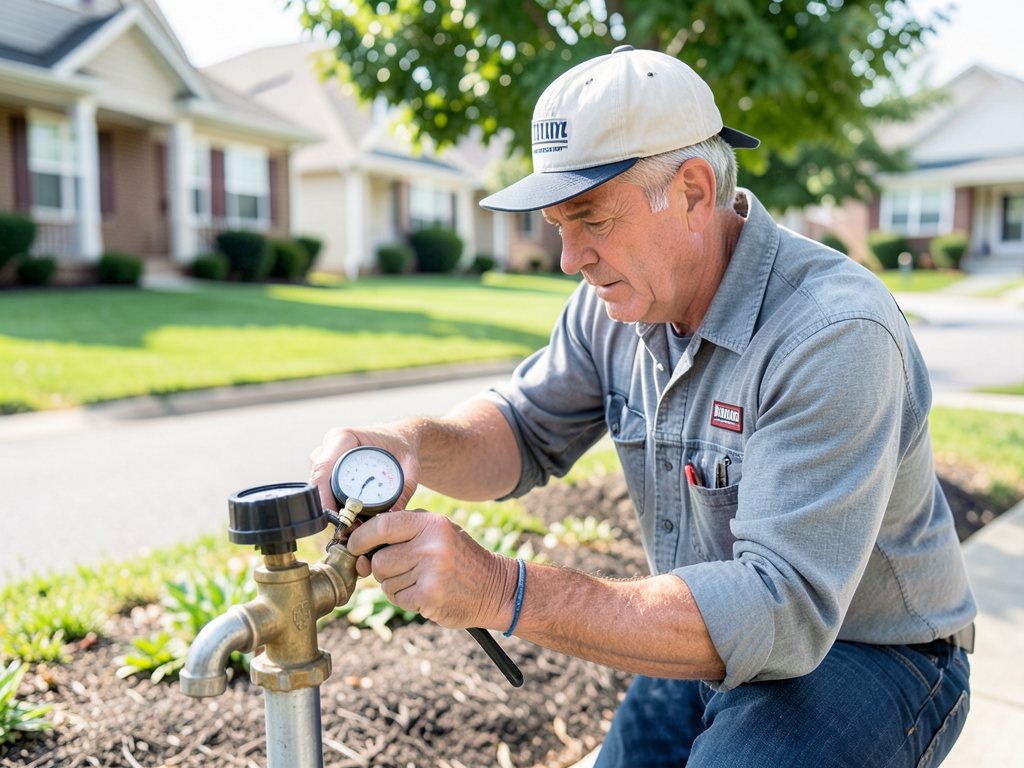
Normal household pressure should feel strong when you turn on a faucet but not so powerful that water sprays everywhere. You can test your pressure with an inexpensive gauge that screws onto an outdoor spigot. If readings consistently show 75 PSI or higher, you need to take action.
High pressure accelerates wear on every component in your plumbing system. Pipes expand and contract more rapidly, joints loosen, and the constant stress weakens materials over time. Copper pipes, common in many Louisville homes, become particularly vulnerable as the pressure causes microscopic cracks that eventually lead to leaks.
The problem compounds during temperature changes. Louisville experiences significant seasonal variations, and the thermal expansion of water under high pressure creates additional stress on pipes and fixtures. This combination of high static pressure and thermal cycling can reduce pipe lifespan by 50% or more.
Water pressure can spike during certain times of day when demand is low. Early morning hours often see the highest pressure as the system builds up overnight. If you’re experiencing mysterious plumbing issues that seem to happen randomly, pressure fluctuations might be the cause.
Top 5 signs your Louisville home has high water pressure
Recognizing the warning signs of high water pressure can help you catch problems before they cause major damage. Here are the most common indicators that your home’s water pressure is too high:
- Water hammer – That loud banging sound when you shut off a faucet isn’t just annoying. It’s caused by a pressure wave traveling through your pipes when a valve closes suddenly. In high-pressure systems, this effect is much more pronounced and can damage pipe supports and connections.
- Leaking faucets and fixtures – If you’re constantly replacing washers or dealing with dripping faucets, high pressure might be forcing water past seals that would otherwise hold. The extra force wears out rubber components much faster than normal.
- Running toilets – When tank fill valves can’t properly shut off due to excessive pressure, water continuously trickles into the bowl. This wastes water and indicates your pressure is beyond what standard fixtures are designed to handle.
- Premature appliance failure – Dishwashers, washing machines, and water heaters have pressure ratings. When exposed to consistently high pressure, internal components fail early, leading to leaks and expensive replacements.
- Shortened water heater life – The combination of high pressure and thermal expansion creates a perfect storm for water heater failure. The tank and connections experience constant stress, often leading to leaks at the bottom or around connections.
These symptoms don’t always mean you have dangerously high pressure, but they warrant investigation. A simple pressure test can confirm whether your plumbing is operating within safe parameters.
How high pressure causes catastrophic pipe failure
High water pressure doesn’t just cause minor inconveniences. It can lead to complete system failure with devastating consequences. Understanding how pressure damages your plumbing helps explain why preventive measures are so important.
Water under high pressure acts like a hydraulic force inside your pipes. Every joint, fitting, and connection experiences stress that exceeds design specifications. Over time, this constant pressure causes materials to fatigue and eventually fail.
The weakest points in your system are typically where pipes connect to fixtures or where different materials meet. Threaded connections, soldered joints, and compression fittings all become vulnerable when subjected to pressure beyond their ratings.
Pinhole leaks often develop as the first sign of pressure-related damage. These tiny openings form when the pipe material weakens under constant stress. While a single pinhole might seem minor, it indicates that the entire section of pipe is compromised.
Thermal expansion compounds the problem in Louisville’s climate. When water heats up in your water heater, it expands. In a high-pressure system without proper expansion protection, this creates additional stress that can cause pipes to burst or joints to fail.
The failure pattern often follows a predictable sequence. First, you might notice increased water bills or hear banging in your pipes. Next come the pinhole leaks and fixture problems. Finally, a major pipe burst can occur, releasing hundreds of gallons of water into your home within minutes.
Catastrophic failures typically happen when you’re away from home, making the damage even worse. A burst pipe can release 10-15 gallons of water per minute, quickly flooding multiple rooms and causing extensive structural damage.
The cost of neglect: Water damage and structural risks
Ignoring high water pressure can lead to repair costs that far exceed the price of preventive measures. Water damage restoration in Louisville typically ranges from $3 to $8 per square foot, depending on the extent of damage and materials affected.
When a pipe bursts, the immediate damage is just the beginning. Water quickly spreads through walls, ceilings, and floors, soaking insulation, drywall, and wood framing. In Louisville’s humid climate, this moisture creates ideal conditions for mold growth within 24-48 hours.
Hidden water damage often goes unnoticed until it causes visible problems. Water stains on ceilings, warped flooring, or musty odors in basements can indicate that a slow leak has been occurring for weeks or months. What to do when your St. Matthews basement floods after a heavy rain.
Foundation issues can develop when water consistently seeps into crawl spaces or basements. Louisville’s clay soil expands when wet, putting additional pressure on foundation walls. This combination of hydrostatic pressure and water damage can lead to structural instability.
Insurance companies often view high water pressure as a preventable maintenance issue. If they determine that neglect contributed to a pipe failure, they may deny coverage or reduce your claim payout. This leaves homeowners responsible for thousands in repair costs.
The health risks of water damage extend beyond structural concerns. Mold growth can trigger respiratory issues, especially in children and elderly residents. Black mold, which thrives in damp environments, produces mycotoxins that can cause serious health problems.
Electrical systems are also at risk when water damage occurs. Water can travel along wiring paths, creating short circuits and fire hazards. This adds another layer of danger to an already serious situation.
Louisville Water Company and your responsibility
Understanding where the city’s responsibility ends and yours begins is crucial for Louisville homeowners. The Louisville Water Company maintains water mains and service lines up to your water meter. Everything beyond that point is your responsibility.
Louisville’s water system operates at varying pressures throughout the city. Areas near pumping stations or at the end of long supply lines often experience higher pressure. The utility company strives to maintain adequate pressure for fire protection and normal use, but this sometimes results in pressure that exceeds residential plumbing standards.
Your water meter typically includes a pressure reading that you can check. If the reading consistently shows pressure above 80 PSI, you need to install a pressure reducing valve (PRV) to protect your plumbing system.
The Kentucky Plumbing Code requires pressure reducing valves for any residential water service where pressure exceeds 80 PSI. This isn’t just a recommendation—it’s a code requirement designed to prevent the exact problems we’ve discussed.
Many newer homes in East Louisville are built with pressure reducing valves already installed. However, these devices can fail over time, especially in areas with hard water or frequent pressure fluctuations. Regular testing and maintenance of your PRV is essential.
The Louisville Water Company offers free water pressure testing for concerned homeowners. They can verify whether your pressure falls within acceptable ranges and provide documentation that may be useful for insurance purposes.
Understanding your water quality is also important. Louisville’s water contains minerals that can accelerate corrosion in high-pressure systems. The combination of high pressure and mineral content creates a perfect environment for pipe degradation.
Immediate steps to take during a high-pressure pipe burst
When a pipe bursts due to high water pressure, every second counts. Knowing exactly what to do can minimize damage and protect your family’s safety. Here’s a step-by-step emergency guide for Louisville homeowners.
First, locate your main water shut-off valve immediately. In most Louisville homes, this valve is located where the water line enters your house, often in a basement, crawl space, or utility closet. Turn the valve clockwise until it stops to cut off water flow.
If you can’t find the main shut-off or it’s not accessible, look for individual fixture shut-off valves under sinks and behind toilets. While these won’t stop water from other areas, they can prevent additional damage from specific sources.
Next, turn off electricity to affected areas if water is near outlets or appliances. Water and electricity create a deadly combination. If you must stand in water to reach the breaker box, call an electrician instead of taking the risk yourself.
Document the damage with photos and videos before beginning cleanup. This documentation is crucial for insurance claims. Capture the source of the leak, affected areas, and any damaged belongings.
Remove standing water as quickly as possible using mops, towels, or a wet vacuum. The longer water sits, the more damage it causes. Louisville’s humidity means water won’t evaporate quickly on its own.
Move furniture and valuables to dry areas immediately. Water can ruin wood finishes, upholstery, and electronics within hours. Elevate items on blocks or aluminum foil to prevent further damage.
Call a professional water damage restoration company that understands Louisville’s specific challenges. They can properly dry structures, prevent mold growth, and restore your home to pre-loss condition. Professional Sewage Backup Cleaning and Sanitization in Jeffersontown.
Don’t attempt to repair burst pipes yourself unless you have plumbing experience. High-pressure systems require specific knowledge to repair safely and effectively. Improper repairs can lead to recurring problems.
Consider installing water leak detection systems that can automatically shut off your main water supply when they detect unusual flow patterns. These systems provide 24/7 protection against catastrophic failures.
Protecting your East Louisville home from high water pressure
Prevention is always less expensive than restoration. Here are practical steps Louisville homeowners can take to protect their properties from high water pressure damage.
Install a pressure reducing valve if your home doesn’t already have one. A quality PRV costs between $150 and $350 installed and can save you thousands in potential damage. Choose a model with an easily accessible pressure gauge so you can monitor performance.
Test your water pressure regularly using a simple gauge available at any hardware store. Check pressure at different times of day, as it can vary significantly. If readings consistently exceed 75 PSI, have your PRV inspected or replaced.
Consider adding a thermal expansion tank to your water heater system. These devices absorb the pressure created when water heats up, preventing stress on your plumbing system. They’re especially important in homes with backflow prevention devices.
Replace old plumbing fixtures with pressure-rated models designed to handle Louisville’s water conditions. Look for fixtures with pressure compensation features that maintain consistent flow regardless of supply pressure.
Schedule annual plumbing inspections with a licensed professional who understands Louisville’s specific water pressure challenges. They can identify potential problems before they cause damage and ensure your pressure reducing valve is functioning properly.
Educate family members about the signs of high water pressure. Teach them to recognize water hammer sounds, watch for unusual leaks, and understand when to call for professional help.
Keep contact information for emergency plumbing and water damage restoration services readily available. When a pipe bursts, you won’t have time to search for qualified help.
Consider joining neighborhood groups or online forums where Louisville homeowners share information about local water pressure issues. Community knowledge can help you stay informed about problems affecting your area.
When to call a professional for high water pressure issues
Knowing when to handle plumbing issues yourself and when to call a professional can save you time, money, and prevent further damage. Here are situations where professional help is essential.
If your water pressure consistently reads above 80 PSI, you need a licensed plumber to install or repair a pressure reducing valve. This isn’t a DIY project—improper installation can create dangerous conditions.
Recurring leaks in multiple fixtures often indicate systemic pressure problems rather than individual fixture failures. A professional can diagnose whether high pressure is the root cause and recommend appropriate solutions.
Water hammer that persists after draining your plumbing system typically requires professional diagnosis. The problem might involve water hammer arrestors, pressure issues, or pipe support problems that need expert attention.
If you’re experiencing frequent appliance failures or noticing premature wear on plumbing components, a professional inspection can determine whether high pressure is to blame and recommend corrective action.
After any water damage event, professional restoration services are crucial. They have the equipment and expertise to properly dry structures, prevent mold growth, and restore your home to safe, livable condition.
Don’t wait until you have a major problem to address high water pressure concerns. The cost of preventive measures is minimal compared to the potential damage from a catastrophic pipe failure.
Professional plumbers in Louisville understand the unique challenges of our local water system. They can recommend solutions tailored to your specific situation and ensure all work complies with Kentucky plumbing codes.
Remember that water damage restoration is a specialized field requiring specific training and equipment. When disaster strikes, choose a company with experience handling Louisville’s particular climate and construction challenges.
Your home is likely your largest investment. Protecting it from preventable damage like high water pressure makes financial sense and provides peace of mind. Don’t let a silent threat destroy your property value and your family’s comfort.
Call (502) 370-2711 today to schedule your water pressure inspection and protect your East Louisville home from costly water damage.
Frequently Asked Questions
How do I know if my water pressure is too high?
You can test your water pressure with a simple gauge that screws onto an outdoor spigot. If readings consistently show 75 PSI or higher, your pressure is likely too high. Signs include water hammer sounds, frequent leaks, running toilets, and premature appliance failure.
What causes high water pressure in Louisville homes?
High pressure can result from Louisville Water Company’s system pressure, proximity to pumping stations, or being at the end of supply lines where pressure builds up. Some newer developments experience higher pressure due to modern plumbing requirements and fire protection needs.
How much does it cost to fix high water pressure problems?
Installing a pressure reducing valve typically costs $150 to $350 installed. Water damage restoration from burst pipes can cost thousands, making preventive measures extremely cost-effective. Annual maintenance of your pressure system is usually under $100.
Can high water pressure cause mold growth?
Yes. High pressure can cause hidden leaks that create damp environments perfect for mold growth. Louisville’s humid climate accelerates mold development, with spores beginning to grow within 24-48 hours of water exposure. This makes quick response to any water issue critical.
Who is responsible for water pressure issues in Louisville?
The Louisville Water Company maintains pressure up to your water meter. Everything beyond that point, including pressure reducing valves and internal plumbing, is the homeowner’s responsibility. They offer free pressure testing if you’re concerned about your home’s water pressure. For more information, visit IICRC water damage restoration standards.
{
“@context”: “https://schema.org”,
“@type”: “BlogPosting”,
“headline”: “Is high water pressure secretly damaging the plumbing in your new construction home in East Louisville?”,
“description”: “High water pressure can silently destroy your East Louisville home’s plumbing. Learn the warning signs, dangers, and how to protect your investment before it’s too late.”,
“wordCount”: 2792,
“datePublished”: “2026-06-02T10:31:00.000Z”,
“dateModified”: “2026-06-02T10:31:00.000Z”,
“inLanguage”: “en-US”,
“mainEntityOfPage”: {
“@type”: “WebPage”,
“@id”: “https://elitewaterdamagerestorationlouisville.com”
},
“publisher”: {
“@type”: “LocalBusiness”,
“name”: “Elite Water Damage Restoration Louisville”,
“url”: “https://elitewaterdamagerestorationlouisville.com”
},
“author”: {
“@type”: “Organization”,
“name”: “Elite Water Damage Restoration Louisville”,
“url”: “https://elitewaterdamagerestorationlouisville.com”
},
“image”: {
“@type”: “ImageObject”,
“url”: “https://elitewaterdamagerestorationlouisville.com/wp-content/uploads/2026/03/is-high-water-pressure-secretly-damaging-the-plumb-1.png”
}
}
{
“@context”: “https://schema.org”,
“@type”: “LocalBusiness”,
“name”: “Elite Water Damage Restoration Louisville”,
“url”: “https://elitewaterdamagerestorationlouisville.com”,
“address”: {
“@type”: “PostalAddress”,
“addressLocality”: “Louisville”
},
“areaServed”: {
“@type”: “City”,
“name”: “Louisville”
}
}
{
“@context”: “https://schema.org”,
“@type”: “FAQPage”,
“mainEntity”: [
{
“@type”: “Question”,
“name”: “Understanding the danger zone: What PSI is too high?”,
“acceptedAnswer”: {
“@type”: “Answer”,
“text”: “Residential plumbing systems are designed to operate within specific pressure ranges. The International Plumbing Code sets the maximum allowable pressure at 80 PSI for residential properties. Anything above this threshold puts your entire plumbing system at risk.”
}
},
{
“@type”: “Question”,
“name”: “How do I know if my water pressure is too high?”,
“acceptedAnswer”: {
“@type”: “Answer”,
“text”: “You can test your water pressure with a simple gauge that screws onto an outdoor spigot. If readings consistently show 75 PSI or higher, your pressure is likely too high. Signs include water hammer sounds, frequent leaks, running toilets, and premature appliance failure.”
}
},
{
“@type”: “Question”,
“name”: “What causes high water pressure in Louisville homes?”,
“acceptedAnswer”: {
“@type”: “Answer”,
“text”: “High pressure can result from Louisville Water Company’s system pressure, proximity to pumping stations, or being at the end of supply lines where pressure builds up. Some newer developments experience higher pressure due to modern plumbing requirements and fire protection needs.”
}
},
{
“@type”: “Question”,
“name”: “How much does it cost to fix high water pressure problems?”,
“acceptedAnswer”: {
“@type”: “Answer”,
“text”: “Installing a pressure reducing valve typically costs $150 to $350 installed. Water damage restoration from burst pipes can cost thousands, making preventive measures extremely cost-effective. Annual maintenance of your pressure system is usually under $100.”
}
},
{
“@type”: “Question”,
“name”: “Can high water pressure cause mold growth?”,
“acceptedAnswer”: {
“@type”: “Answer”,
“text”: “Yes. High pressure can cause hidden leaks that create damp environments perfect for mold growth. Louisville’s humid climate accelerates mold development, with spores beginning to grow within 24-48 hours of water exposure. This makes quick response to any water issue critical.”
}
},
{
“@type”: “Question”,
“name”: “Who is responsible for water pressure issues in Louisville?”,
“acceptedAnswer”: {
“@type”: “Answer”,
“text”: “The Louisville Water Company maintains pressure up to your water meter. Everything beyond that point, including pressure reducing valves and internal plumbing, is the homeowner’s responsibility. They offer free pressure testing if you’re concerned about your home’s water pressure. For more information, visit IICRC water damage restoration standards.”
}
}
]
}
{
“@context”: “https://schema.org”,
“@type”: “BreadcrumbList”,
“itemListElement”: [
{
“@type”: “ListItem”,
“position”: 1,
“name”: “Home”,
“item”: “https://elitewaterdamagerestorationlouisville.com”
},
{
“@type”: “ListItem”,
“position”: 2,
“name”: “Blog”,
“item”: “https://elitewaterdamagerestorationlouisville.com/blog”
},
{
“@type”: “ListItem”,
“position”: 3,
“name”: “Is high water pressure secretly damaging the plumbing in your new construction home in East Louisville?”
}
]
}
{
“@context”: “https://schema.org”,
“@type”: “Service”,
“serviceType”: “Water Damage Restoration”,
“provider”: {
“@type”: “LocalBusiness”,
“name”: “Elite Water Damage Restoration Louisville”,
“url”: “https://elitewaterdamagerestorationlouisville.com”
},
“areaServed”: {
“@type”: “City”,
“name”: “Louisville”
},
“description”: “High water pressure can silently destroy your East Louisville home’s plumbing. Learn the warning signs, dangers, and how to protect your investment before it’s too late.”
}