Water damage in a historic Louisville home creates unique challenges. Plaster walls react differently than modern drywall when exposed to moisture. The dense composition of lime and gypsum plaster combined with wood lath backing makes drying a slow process. If done incorrectly, you risk delamination, crumbling, and expensive structural damage. 24/7 Emergency Water Removal.
Old Louisville’s Victorian and Craftsman homes feature plaster walls throughout. These homes sit in the Ohio River Valley where humidity levels stay high year-round. This moisture-rich environment makes plaster even more vulnerable to water damage. The key is understanding how plaster absorbs and releases moisture differently than drywall.
Professional restoration follows specific psychrometric principles. We control temperature, relative humidity, and air movement to create optimal drying conditions. This prevents the rapid evaporation that causes plaster to crack and separate from its lath backing. The process typically takes 3-5 days compared to 24-48 hours for drywall. EPA Mold Guidelines.
Before touching anything, you need to identify the water source. Clean water from a broken pipe requires different handling than contaminated water from a sewage backup. Category 1 water allows for in-place drying. Category 2 or 3 water requires removal and replacement of affected materials. Professional Sewage Backup Cleaning and Sanitization in Jeffersontown.
Time matters more than you think. Mold begins growing within 24-48 hours in the warm, humid conditions common to Louisville summers. The longer plaster stays wet, the more likely you’ll face secondary damage that extends beyond the initial water event.
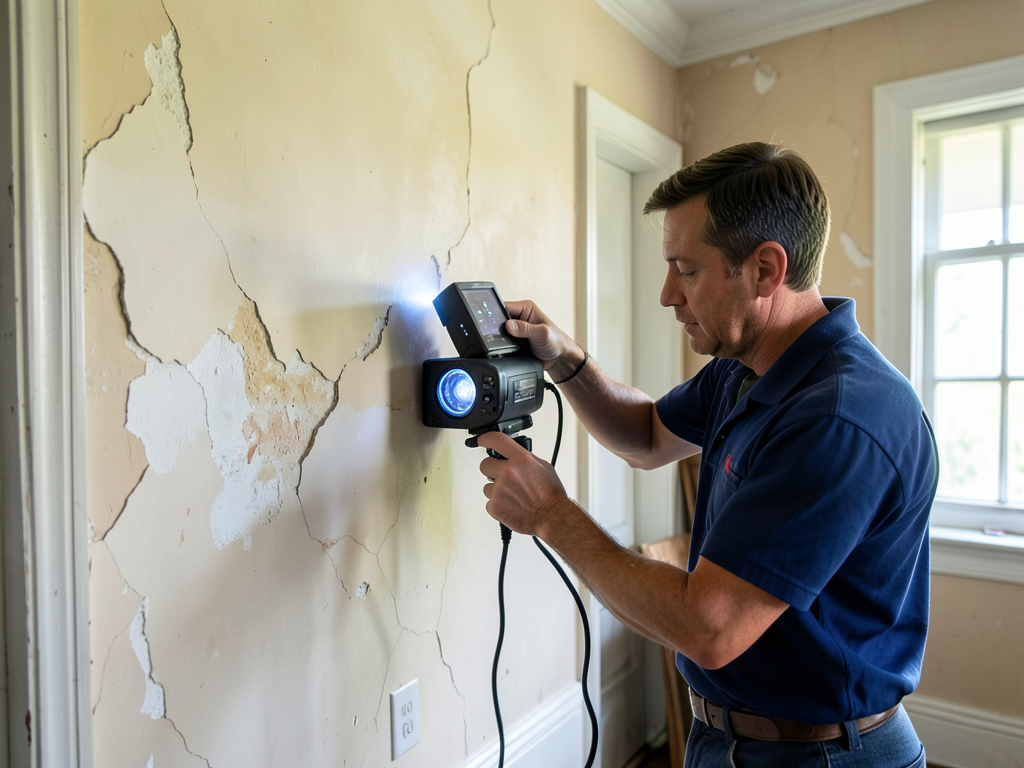
Professional equipment makes the difference. We use low-grain refrigerant dehumidifiers that remove moisture more efficiently than standard units. Air movers create precise air circulation patterns that promote even drying without stressing the plaster surface. Thermal imaging cameras help us find hidden moisture pockets behind walls.
DIY methods often cause more harm than good. Household fans and dehumidifiers lack the capacity to handle large water events. They create uneven drying that leads to stress cracks. The heat from space heaters can actually bake moisture deeper into plaster, making the problem worse.
Insurance coverage varies by policy. Many Louisville homeowners discover their standard policy excludes certain types of water damage. We work directly with insurance companies to document damage and provide the technical data they need for claims processing.
Structural integrity concerns extend beyond visible damage. Wet plaster adds weight to walls. The combination of moisture and weight can cause ceiling plaster to sag or fall. This creates safety hazards that require immediate professional attention.
Efflorescence often appears during the drying process. These white mineral deposits form when water carries salts to the surface. While not structurally harmful, efflorescence indicates ongoing moisture movement that needs monitoring.
Historic preservation guidelines affect restoration approaches in Old Louisville. Some properties fall under local historic district regulations. We coordinate with preservation boards when necessary to ensure compliance while achieving proper drying.
Temperature control proves critical during winter months. Louisville’s freeze-thaw cycles can cause pipes to burst, leading to sudden water intrusion. Cold temperatures slow evaporation rates, extending drying times. We use supplemental heating carefully to avoid creating thermal stress on plaster surfaces.
Humidity monitoring continues throughout the process. We track relative humidity levels in affected rooms and compare them to unaffected areas. The goal is achieving moisture content levels consistent with the dry standard for your home’s age and construction type.
Professional moisture detection goes beyond surface readings. We use penetrating moisture meters to assess water content at different depths. This helps us determine if plaster can be saved or if removal becomes necessary. Finding the best mold removal experts in the Highlands and how they protect historic homes.
Air quality testing often follows water damage events. Standing water creates conditions perfect for mold growth. We test for airborne spores to ensure your home returns to safe living conditions after restoration.
Documentation matters for insurance and future reference. We provide detailed reports showing moisture levels, drying progress, and final conditions. This documentation helps if you sell your home or need to file additional claims later.
Prevention strategies help avoid future water damage. We identify vulnerabilities in your home’s plumbing, roof, and drainage systems. Simple upgrades like installing water leak detectors can prevent major damage.
Emergency response timing affects restoration success. The first 24 hours determine whether materials can be saved. Our 24/7 availability means we can begin mitigation before secondary damage occurs. Fast response flood cleanup services near Hikes Point and the Highlands.
Professional restoration costs more upfront but saves money long-term. DIY attempts that fail often lead to mold remediation, structural repairs, and complete material replacement. Professional drying protects your investment in historic plasterwork.
Material compatibility affects restoration choices. Modern patching compounds may not bond properly with historic lime plaster. We use materials matched to your home’s original construction for seamless repairs.
Ventilation strategies vary by season. Summer humidity in Louisville requires different approaches than winter conditions. We adjust equipment settings and placement based on outdoor conditions and your home’s specific needs.
Monitoring equipment tracks progress 24/7. We leave moisture meters, hygrometers, and temperature sensors in place throughout the drying process. This data helps us adjust our approach and ensure complete moisture removal.
Structural drying extends beyond visible surfaces. Water travels through building materials via capillary action. We address moisture in wall cavities, under floorboards, and in other hidden areas to prevent future problems.
Professional expertise prevents costly mistakes. Our technicians understand plaster’s unique properties and how different drying methods affect various plaster compositions. This knowledge comes from years of experience with Louisville’s historic housing stock.
Emergency planning helps you respond faster when water damage occurs. Know where your main water shutoff valve is located. Keep our emergency number handy. Quick action minimizes damage and restoration costs.
Restoration success depends on addressing both visible and hidden damage. Surface drying without addressing deeper moisture leads to recurring problems. Our comprehensive approach ensures complete moisture removal throughout affected areas.
Professional assessment determines the right approach for your specific situation. We evaluate plaster composition, water category, damage extent, and environmental conditions to create a customized drying plan that protects your home’s historic character.
Final verification confirms restoration success. We test moisture levels throughout the affected area to ensure they match dry standard readings. Only then do we remove equipment and consider the job complete.
Call (502) 370-2711 today to schedule your inspection. Water damage in plaster walls requires immediate professional attention to prevent costly secondary damage and preserve your home’s historic character.
Why Plaster Walls Require a Different Drying Approach than Drywall
Plaster walls consist of multiple layers that absorb moisture differently than drywall. The plaster itself contains lime, gypsum, and sometimes horsehair for reinforcement. This dense material can hold several times more moisture than drywall before showing visible signs of damage.
Wood lath backing provides the structural support for plaster. This wooden framework absorbs moisture readily and swells when wet. As wood expands, it pushes against the plaster, creating stress that leads to cracking and delamination.
The plaster-to-lath bond relies on mechanical adhesion. Plaster squeezes through gaps in the wood lath and hardens, creating keys that lock the plaster in place. When moisture weakens these keys, the plaster loses its primary support system.
Drying times differ significantly between materials. Drywall typically dries within 24-48 hours under proper conditions. Plaster walls require 3-5 days minimum due to their density and the moisture retained in wood lath backing.
Moisture content standards vary by material. Drywall reaches dry standard at 12-16% moisture content. Plaster and wood lath combinations require 8-12% for the wood and 6-10% for the plaster surface.
Thermal properties affect drying efficiency. Plaster conducts heat differently than drywall, requiring adjusted temperature settings during the drying process. Too much heat causes surface drying while leaving moisture trapped inside.
Air movement requirements differ between materials. Drywall benefits from high-velocity air movement across its surface. Plaster requires more controlled air circulation to prevent surface stress and uneven drying patterns.
Moisture detection methods must account for material density. Standard moisture meters calibrated for drywall often give false readings on plaster. We use specialized meters and testing methods designed specifically for historic plaster compositions.
Structural considerations become more critical with plaster. The weight of wet plaster combined with compromised structural integrity creates safety hazards not present with drywall. Professional assessment determines if walls remain safe during the drying process.
Restoration approaches must preserve historic character. Many Louisville homeowners value original plasterwork for its acoustic properties and historic authenticity. Professional drying protects these characteristics while addressing water damage.
The Risks of Trapped Moisture: Mold and Structural Integrity
Moisture trapped in plaster walls creates ideal conditions for mold growth. The combination of organic materials in historic plaster and warm, humid Louisville summers accelerates fungal development. Mold can begin growing within 24-48 hours of water exposure.
Health risks increase with prolonged moisture exposure. Mold spores become airborne and circulate through your home’s HVAC system. This creates respiratory issues, especially for children, elderly residents, and those with existing health conditions.
Structural damage extends beyond visible areas. Water travels through building materials via capillary action. Moisture can spread several feet beyond the initial water contact point, affecting areas you cannot see without professional testing.
Wood lath deterioration accelerates with moisture exposure. Wet wood loses structural strength and becomes susceptible to rot and insect infestation. This compromises the entire plaster wall system’s integrity.
Efflorescence indicates ongoing moisture movement. These white mineral deposits form when water carries dissolved salts to the surface. Their presence signals that moisture continues moving through plaster walls.
Secondary damage costs increase over time. What begins as a simple water event can escalate to require complete wall replacement if moisture remains trapped. Early professional intervention prevents these escalating costs.
Insurance complications arise from delayed response. Many policies require prompt mitigation to maintain coverage. Waiting too long to address water damage can result in denied claims for secondary damage.
Property value impacts extend beyond immediate repairs. Undisclosed water damage and resulting mold issues can affect home sales and appraisals. Professional documentation protects your investment.
Energy efficiency decreases with moisture problems. Wet insulation loses R-value. Moisture in walls creates thermal bridges that increase heating and cooling costs throughout the year.
Aesthetic damage compounds over time. Water stains, paint blistering, and plaster deterioration become more difficult to repair as moisture remains present. Early intervention preserves your home’s appearance.
Professional testing identifies hidden moisture pockets. We use thermal imaging and moisture meters to find areas where water collects but remains invisible to the naked eye. This comprehensive approach prevents future problems.
Our Step-by-Step Restoration Process for Plaster Walls
Initial assessment determines the scope of damage. We inspect visible areas and use moisture detection equipment to map the full extent of water intrusion. This helps us develop an effective drying strategy.
Water category identification guides our approach. Clean water from broken pipes allows for in-place drying. Contaminated water requires material removal and replacement to ensure safety.
Moisture mapping creates a detailed picture of affected areas. We document moisture levels throughout the space, identifying patterns that help us understand how water moved through your home.
Strategic equipment placement maximizes drying efficiency. We position air movers and dehumidifiers to create optimal air circulation patterns without stressing plaster surfaces.
Temperature and humidity control maintains ideal drying conditions. We monitor and adjust environmental factors throughout the process to promote even moisture removal.
Daily monitoring tracks progress and allows adjustments. We check moisture levels, equipment performance, and overall conditions to ensure the drying process stays on track.
Structural assessment continues throughout restoration. We monitor for signs of plaster movement, ceiling sag, or other structural concerns that require immediate attention.
Final testing confirms complete moisture removal. We verify that all affected areas have returned to appropriate moisture content levels before considering the job complete.
Moisture Detection and Mapping
Professional moisture detection begins with visual inspection. We look for water stains, paint blistering, and other visible signs of damage. These indicators help us determine where to focus our testing efforts.
Non-penetrating moisture meters provide surface readings without damaging plaster. These devices use electromagnetic signals to detect moisture levels up to 3/4 inch below the surface.
Thermal imaging cameras reveal temperature variations that indicate moisture presence. Wet areas appear cooler than dry areas, creating visible patterns that guide our restoration approach.
Penetrating moisture meters assess deeper moisture levels. These devices use probes to measure moisture content at various depths within plaster and wood lath structures.
Moisture mapping documents affected areas systematically. We create detailed reports showing moisture levels throughout the space, helping us track drying progress and identify problem areas.
Data logging provides continuous monitoring. We use equipment that tracks temperature, humidity, and moisture levels 24/7, allowing us to respond quickly to changing conditions.
Strategic Evaporation and Air Movement
Air mover placement follows specific principles. We position equipment to create laminar airflow across plaster surfaces, promoting even drying without creating stress points.
Velocity control prevents surface damage. High-velocity air movement can actually drive moisture deeper into plaster while causing surface cracking. We adjust equipment settings for optimal results.
Directional airflow patterns matter significantly. We create circulation patterns that promote moisture removal without creating dead spots where water can remain trapped.
Temperature gradients affect evaporation rates. We maintain consistent temperatures throughout affected areas to prevent uneven drying that leads to plaster stress.
Humidity control works in conjunction with air movement. As moisture evaporates from plaster surfaces, we remove it from the air to prevent reabsorption and promote continued drying.
Equipment monitoring ensures consistent performance. We check air mover positioning and settings daily, making adjustments as drying progresses and conditions change.
Controlled Dehumidification
Low-grain refrigerant dehumidifiers provide superior moisture removal. These units can extract moisture from air even when humidity levels drop below what conventional dehumidifiers can handle.
Dehumidifier capacity matches the job requirements. We calculate the cubic footage of affected areas and water volume to determine the appropriate equipment size and quantity.
Placement strategy maximizes efficiency. We position dehumidifiers to create closed drying chambers when possible, concentrating our efforts on the most affected areas.
Continuous operation maintains consistent conditions. Our equipment runs 24/7 throughout the drying process, providing steady moisture removal without the fluctuations that occur with intermittent operation.
Condensate removal prevents secondary damage. We ensure proper drainage from dehumidifiers to prevent water from re-entering the drying space or causing additional damage.
Humidity monitoring guides equipment adjustments. We track relative humidity levels and make changes to equipment settings as conditions improve throughout the drying process.
DIY vs. Professional Restoration: When to Call the Experts
Small water events sometimes respond to DIY methods. A minor spill that affects only the surface of plaster may dry adequately with household fans and dehumidifiers.
Time sensitivity determines success likelihood. If you can begin drying within 24 hours of water exposure, DIY methods have a better chance of preventing secondary damage.
Water category affects approach selection. Clean water from a broken supply line poses less risk than contaminated water from sewage backups or flooding.
Damage extent guides decision making. Surface-level moisture affecting small areas may respond to DIY methods. Widespread moisture or deep penetration requires professional equipment.
Equipment limitations become apparent quickly. Household fans lack the CFM output needed for effective plaster drying. Standard dehumidifiers cannot remove moisture at the rate required for large water events.
Hidden damage often goes undetected with DIY methods. Without professional moisture detection equipment, you cannot verify if plaster has returned to appropriate moisture content levels.
Structural concerns require expert assessment. Sagging ceilings or walls indicate serious moisture problems that need immediate professional attention for safety reasons.
Mold prevention depends on complete drying. Partial drying creates conditions perfect for mold growth. Professional equipment ensures thorough moisture removal to prevent fungal development.
Insurance requirements may mandate professional restoration. Many policies require licensed contractors for water damage mitigation to maintain coverage for secondary damage.
Historic preservation considerations affect restoration choices. Original plasterwork in historic homes requires specialized knowledge to preserve while addressing water damage effectively.
Living in Louisville: How Local Humidity Affects Drying Times
Louisville’s location in the Ohio River Valley creates unique humidity challenges. Summer months routinely see relative humidity levels above 70%, making moisture removal from building materials more difficult.
Seasonal variations affect drying strategies. Winter months bring cold temperatures that slow evaporation rates. We adjust our approach based on outdoor conditions and indoor climate control.
River proximity increases ambient moisture levels. Homes near the Ohio River experience higher humidity levels than those in surrounding areas, affecting both drying times and mold growth potential.
Storm frequency impacts water damage occurrence. Louisville experiences numerous severe weather events throughout the year, increasing the likelihood of sudden water intrusion that requires immediate professional response. The most reliable storm damage repair team for Fern Creek and Highview residents.
Indoor humidity control becomes critical during restoration. We work with your HVAC system to maintain optimal conditions for moisture removal while preventing additional humidity from entering the space.
Building age affects moisture management. Historic homes in Old Louisville often lack modern vapor barriers, allowing moisture to move more freely through building materials.
Material composition varies by construction era. Understanding how different plaster formulations react to Louisville’s climate helps us develop effective restoration strategies for various home styles.
Local building practices influence restoration approaches. Louisville’s construction methods, particularly in historic districts, require specialized knowledge for proper water damage mitigation.
Climate change impacts restoration needs. Increasing storm intensity and frequency in the region creates greater demand for professional water damage services throughout the Louisville metro area.
Professional expertise accounts for local conditions. Our understanding of Louisville’s unique climate challenges allows us to develop restoration strategies that work effectively in this specific environment.
Frequently Asked Questions
How long does it take to dry out plaster walls professionally?
Professional plaster wall drying typically requires 3-5 days under optimal conditions. This timeframe accounts for the dense nature of plaster and the moisture retained in wood lath backing. Factors like water volume, humidity levels, and plaster composition can extend drying times.
Can I save wet plaster walls or do they need replacement?
Many wet plaster walls can be saved if addressed quickly and dried properly. Category 1 water damage from clean sources has the highest salvage rate. Contaminated water or prolonged moisture exposure may require material removal and replacement for safety reasons.
What equipment do professionals use that I cannot rent?
Professionals use low-grain refrigerant dehumidifiers, high-velocity air movers with precise CFM control, thermal imaging cameras, penetrating moisture meters, and data logging systems. These specialized tools provide capabilities beyond standard rental equipment.
How much does professional plaster wall drying cost?
Professional plaster wall drying costs vary based on damage extent, water category, and required equipment. Most restoration projects range from $2,000 to $10,000. Insurance often covers water damage restoration when addressed promptly by licensed professionals.
Will my insurance cover plaster wall water damage?
Most homeowners insurance policies cover sudden and accidental water damage to plaster walls. Coverage depends on your specific policy, water source, and whether damage resulted from lack of maintenance or sudden events. Professional documentation helps with claims processing.
How can I tell if plaster walls are completely dry?
Professional moisture meters and thermal imaging provide accurate readings of moisture content in plaster walls. DIY methods cannot verify complete drying. Professional testing ensures moisture levels have returned to appropriate standards before restoration completion.
What happens if I don’t dry plaster walls properly?
Incomplete plaster wall drying leads to mold growth, structural damage, and recurring moisture problems. Secondary damage often costs more to repair than proper initial restoration. Professional drying prevents these costly complications.
Do I need to leave my home during professional drying?
Most homeowners can remain in their homes during plaster wall drying. The equipment operates safely and efficiently. We discuss any necessary precautions based on your specific situation and restoration scope.
How soon should I call for help after water damage?
Call immediately after discovering water damage. The first 24-48 hours determine whether materials can be saved and prevent secondary damage like mold growth. Our 24/7 emergency response team can begin mitigation before problems escalate.
Can plaster walls be patched after water damage?
Plaster walls can be patched after proper drying and moisture testing. Professional patching matches original plaster composition and application techniques for seamless repairs that preserve your home’s historic character and structural integrity.
- Know Your Water Main Location
Locate and test your main water shutoff valve. Quick access can prevent extensive damage from burst pipes or major leaks.
- Install Water Leak Detectors
Place sensors near water heaters, washing machines, and under sinks. Early detection prevents major damage.
- Maintain Your Roof and Gutters
Clean gutters twice yearly and inspect your roof annually. Proper drainage prevents water intrusion through ceilings and walls.
- Check Plumbing Regularly
Inspect visible pipes for corrosion or leaks. Address minor issues before they become major problems.
- Know When to Call Professionals
Recognize signs that require expert help: widespread moisture, structural concerns, or contaminated water sources.
Call (502) 370-2711 today to schedule your inspection. Water damage in plaster walls requires immediate professional attention to prevent costly secondary damage and preserve your home’s historic character.
Don’t wait until small problems become major repairs. Professional assessment can identify hidden moisture and prevent the mold growth and structural damage that occur when plaster walls remain wet. Our team understands Louisville’s unique climate challenges and historic housing stock.
Pick up the phone and call (502) 370-2711 before the next storm hits. Quick action can mean the difference between saving your plaster walls and facing complete replacement. We’re ready to help 24/7 with emergency response and professional restoration services throughout the Louisville metro area. For more information, visit IICRC Standards.
{
“@context”: “https://schema.org”,
“@type”: “BlogPosting”,
“headline”: “How to Dry Out Plaster Walls in an Old Louisville Home without Causing Cracks”,
“description”: “Expert guide to drying wet plaster walls in historic Louisville homes. Learn why plaster needs special care and when to call for 24/7 emergency restoration at (502) 370-2711.”,
“wordCount”: 3602,
“datePublished”: “2026-06-05T09:55:00.000Z”,
“dateModified”: “2026-06-05T09:55:00.000Z”,
“inLanguage”: “en-US”,
“mainEntityOfPage”: {
“@type”: “WebPage”,
“@id”: “https://elitewaterdamagerestorationlouisville.com”
},
“publisher”: {
“@type”: “LocalBusiness”,
“name”: “Elite Water Damage Restoration Louisville”,
“url”: “https://elitewaterdamagerestorationlouisville.com”
},
“author”: {
“@type”: “Organization”,
“name”: “Elite Water Damage Restoration Louisville”,
“url”: “https://elitewaterdamagerestorationlouisville.com”
},
“image”: {
“@type”: “ImageObject”,
“url”: “https://elitewaterdamagerestorationlouisville.com/wp-content/uploads/2026/03/how-to-dry-out-plaster-walls-in-an-old-louisville-1.png”
}
}
{
“@context”: “https://schema.org”,
“@type”: “LocalBusiness”,
“name”: “Elite Water Damage Restoration Louisville”,
“url”: “https://elitewaterdamagerestorationlouisville.com”,
“address”: {
“@type”: “PostalAddress”,
“addressLocality”: “Louisville”
},
“areaServed”: {
“@type”: “City”,
“name”: “Louisville”
}
}
{
“@context”: “https://schema.org”,
“@type”: “FAQPage”,
“mainEntity”: [
{
“@type”: “Question”,
“name”: “How long does it take to dry out plaster walls professionally?”,
“acceptedAnswer”: {
“@type”: “Answer”,
“text”: “Professional plaster wall drying typically requires 3-5 days under optimal conditions. This timeframe accounts for the dense nature of plaster and the moisture retained in wood lath backing. Factors like water volume, humidity levels, and plaster composition can extend drying times.”
}
},
{
“@type”: “Question”,
“name”: “Can I save wet plaster walls or do they need replacement?”,
“acceptedAnswer”: {
“@type”: “Answer”,
“text”: “Many wet plaster walls can be saved if addressed quickly and dried properly. Category 1 water damage from clean sources has the highest salvage rate. Contaminated water or prolonged moisture exposure may require material removal and replacement for safety reasons.”
}
},
{
“@type”: “Question”,
“name”: “What equipment do professionals use that I cannot rent?”,
“acceptedAnswer”: {
“@type”: “Answer”,
“text”: “Professionals use low-grain refrigerant dehumidifiers, high-velocity air movers with precise CFM control, thermal imaging cameras, penetrating moisture meters, and data logging systems. These specialized tools provide capabilities beyond standard rental equipment.”
}
},
{
“@type”: “Question”,
“name”: “How much does professional plaster wall drying cost?”,
“acceptedAnswer”: {
“@type”: “Answer”,
“text”: “Professional plaster wall drying costs vary based on damage extent, water category, and required equipment. Most restoration projects range from $2,000 to $10,000. Insurance often covers water damage restoration when addressed promptly by licensed professionals.”
}
},
{
“@type”: “Question”,
“name”: “Will my insurance cover plaster wall water damage?”,
“acceptedAnswer”: {
“@type”: “Answer”,
“text”: “Most homeowners insurance policies cover sudden and accidental water damage to plaster walls. Coverage depends on your specific policy, water source, and whether damage resulted from lack of maintenance or sudden events. Professional documentation helps with claims processing.”
}
},
{
“@type”: “Question”,
“name”: “How can I tell if plaster walls are completely dry?”,
“acceptedAnswer”: {
“@type”: “Answer”,
“text”: “Professional moisture meters and thermal imaging provide accurate readings of moisture content in plaster walls. DIY methods cannot verify complete drying. Professional testing ensures moisture levels have returned to appropriate standards before restoration completion.”
}
},
{
“@type”: “Question”,
“name”: “What happens if I don’t dry plaster walls properly?”,
“acceptedAnswer”: {
“@type”: “Answer”,
“text”: “Incomplete plaster wall drying leads to mold growth, structural damage, and recurring moisture problems. Secondary damage often costs more to repair than proper initial restoration. Professional drying prevents these costly complications.”
}
},
{
“@type”: “Question”,
“name”: “Do I need to leave my home during professional drying?”,
“acceptedAnswer”: {
“@type”: “Answer”,
“text”: “Most homeowners can remain in their homes during plaster wall drying. The equipment operates safely and efficiently. We discuss any necessary precautions based on your specific situation and restoration scope.”
}
},
{
“@type”: “Question”,
“name”: “How soon should I call for help after water damage?”,
“acceptedAnswer”: {
“@type”: “Answer”,
“text”: “Call immediately after discovering water damage. The first 24-48 hours determine whether materials can be saved and prevent secondary damage like mold growth. Our 24/7 emergency response team can begin mitigation before problems escalate.”
}
},
{
“@type”: “Question”,
“name”: “Can plaster walls be patched after water damage?”,
“acceptedAnswer”: {
“@type”: “Answer”,
“text”: “Plaster walls can be patched after proper drying and moisture testing. Professional patching matches original plaster composition and application techniques for seamless repairs that preserve your home’s historic character and structural integrity.”
}
}
]
}
{
“@context”: “https://schema.org”,
“@type”: “HowTo”,
“name”: “How to Protect Your Home from Water Damage”,
“step”: [
{
“@type”: “HowToStep”,
“position”: 1,
“name”: “Know Your Water Main Location”,
“text”: “Locate and test your main water shutoff valve. Quick access can prevent extensive damage from burst pipes or major leaks.”
},
{
“@type”: “HowToStep”,
“position”: 2,
“name”: “Install Water Leak Detectors”,
“text”: “Place sensors near water heaters, washing machines, and under sinks. Early detection prevents major damage.”
},
{
“@type”: “HowToStep”,
“position”: 3,
“name”: “Maintain Your Roof and Gutters”,
“text”: “Clean gutters twice yearly and inspect your roof annually. Proper drainage prevents water intrusion through ceilings and walls.”
},
{
“@type”: “HowToStep”,
“position”: 4,
“name”: “Check Plumbing Regularly”,
“text”: “Inspect visible pipes for corrosion or leaks. Address minor issues before they become major problems.”
},
{
“@type”: “HowToStep”,
“position”: 5,
“name”: “Know When to Call Professionals”,
“text”: “Recognize signs that require expert help: widespread moisture, structural concerns, or contaminated water sources.”
}
],
“image”: “https://elitewaterdamagerestorationlouisville.com/wp-content/uploads/2026/03/how-to-dry-out-plaster-walls-in-an-old-louisville-1.png”
}
{
“@context”: “https://schema.org”,
“@type”: “BreadcrumbList”,
“itemListElement”: [
{
“@type”: “ListItem”,
“position”: 1,
“name”: “Home”,
“item”: “https://elitewaterdamagerestorationlouisville.com”
},
{
“@type”: “ListItem”,
“position”: 2,
“name”: “Blog”,
“item”: “https://elitewaterdamagerestorationlouisville.com/blog”
},
{
“@type”: “ListItem”,
“position”: 3,
“name”: “How to Dry Out Plaster Walls in an Old Louisville Home without Causing Cracks”
}
]
}
{
“@context”: “https://schema.org”,
“@type”: “Service”,
“serviceType”: “Water Damage Restoration”,
“provider”: {
“@type”: “LocalBusiness”,
“name”: “Elite Water Damage Restoration Louisville”,
“url”: “https://elitewaterdamagerestorationlouisville.com”
},
“areaServed”: {
“@type”: “City”,
“name”: “Louisville”
},
“description”: “Expert guide to drying wet plaster walls in historic Louisville homes. Learn why plaster needs special care and when to call for 24/7 emergency restoration at (502) 370-2711.”
}