
Comparing water mitigation and water restoration for Lake Forest homeowners
Water damage in Lake Forest homes moves fast. Within hours, clean water from a burst pipe can turn into a mold breeding ground thanks to Kentucky’s high humidity. Understanding the difference between water mitigation and water restoration isn’t just technical jargon—it’s the difference between saving your home and facing a six-figure reconstruction bill.
Water mitigation stops the immediate threat. Water restoration rebuilds what was lost. Both are essential, but they serve completely different purposes in the timeline of recovery. Let’s break down exactly what happens during each phase and why timing matters more in Lake Forest than almost anywhere else in Louisville.
Immediate Response: What is Water Mitigation?
Water mitigation is the emergency response phase. When a pipe bursts in your Lake Forest basement at 2 a.m., mitigation teams arrive within 60-90 minutes to extract standing water, set up industrial dehumidifiers, and prevent further damage. This phase focuses on stopping the water source, removing contaminated materials, and creating conditions where mold cannot grow. What to do when your St. Matthews basement floods after a heavy rain.
Technicians use moisture meters to map water migration through walls and subfloors. They document Category 1 (clean), Category 2 (gray), or Category 3 (black) water classification according to IICRC S500 standards. This classification determines what materials can be saved and what must be removed immediately. IICRC S500 water damage standards.
The equipment deployed during mitigation includes truck-mounted extractors capable of removing 20+ gallons per minute, high-velocity air movers that create evaporation across 1,500 square feet, and commercial dehumidifiers that pull 20-30 gallons of moisture from the air daily. These aren’t rental store fans—they’re industrial-grade machines designed to dry structures in 3-5 days, not weeks.
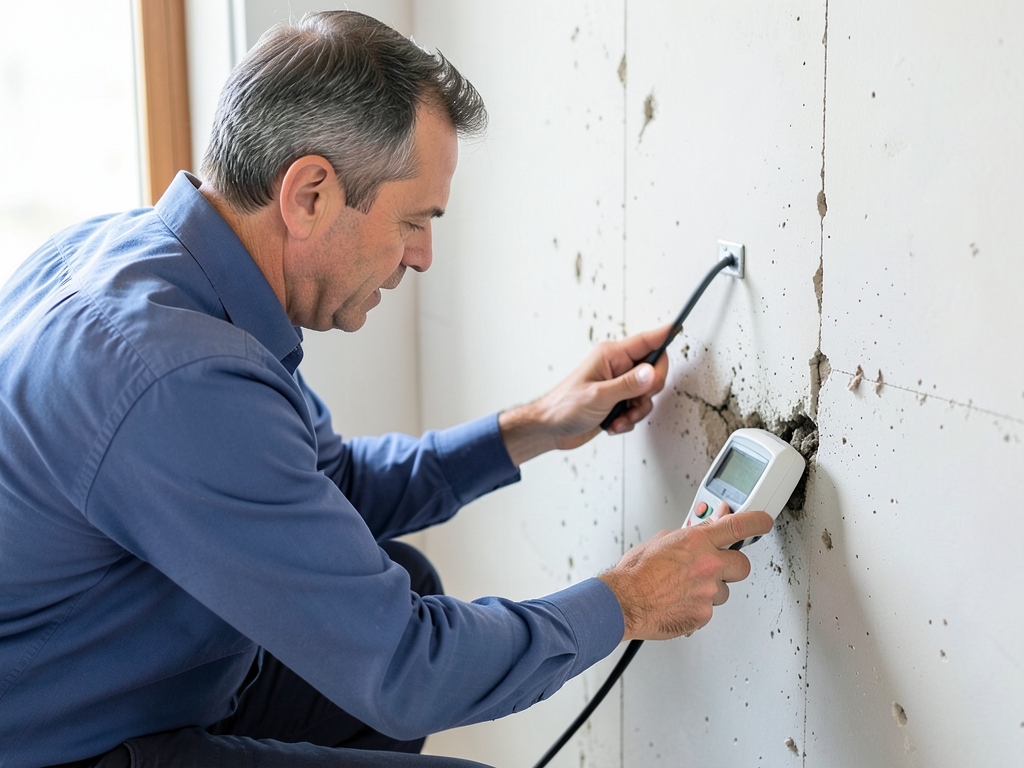
A technician uses a moisture meter to detect hidden water in wall cavities during the mitigation phase.
The Final Stage: What is Water Damage Restoration?
Water restoration is the reconstruction phase. Once mitigation teams verify that structural materials have reached safe moisture content levels (typically 12-16% for wood framing), restoration contractors rebuild your home to pre-loss condition. This includes replacing drywall, installing new flooring, painting, and repairing any structural elements that were compromised. EPA mold growth guidelines.
Restoration work often requires permits from Jefferson County. The Louisville Metro building code mandates specific requirements for basement finishes in flood-prone areas like Lake Forest. Contractors must install proper vapor barriers, ensure electrical systems meet current code, and verify that all replaced materials meet fire safety standards. Fast response flood cleanup services near Hikes Point and the Highlands.
The timeline for restoration varies dramatically based on damage extent. A simple carpet replacement might take 2-3 days. A full basement reconstruction involving framing, electrical, plumbing, and finish work typically requires 3-6 weeks. During this phase, homeowners often work directly with insurance adjusters to approve change orders and material selections.
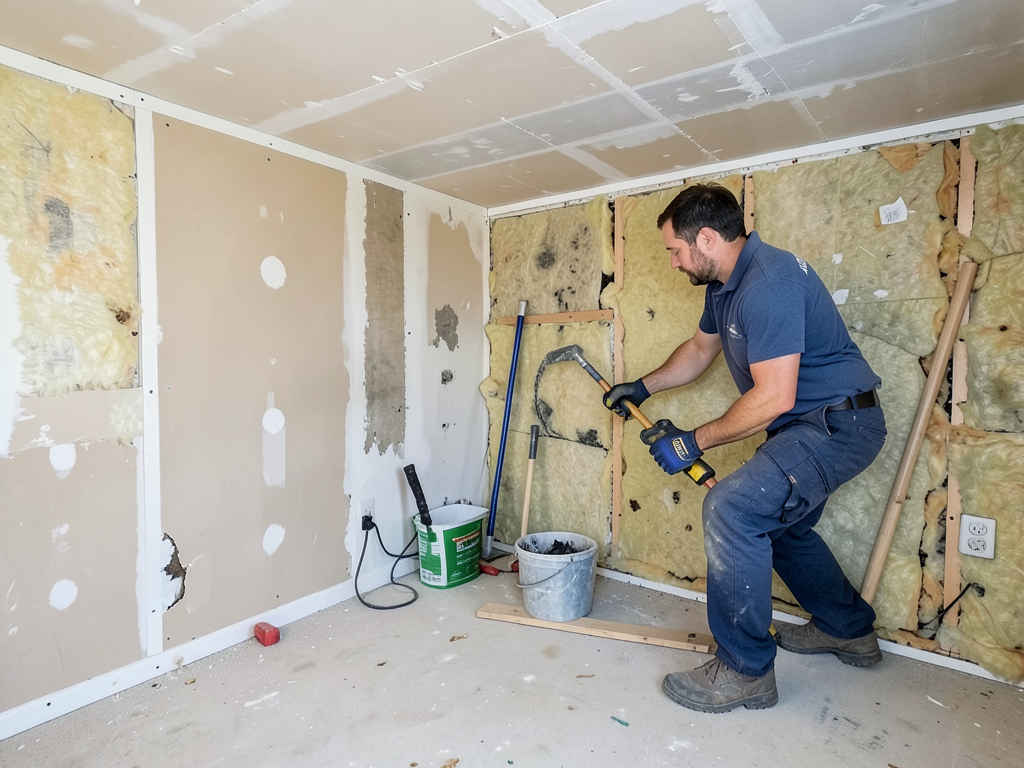
A restoration crew replaces water-damaged drywall and insulation in a Lake Forest home.
Comparison Table: Mitigation vs. Restoration
| Phase | Primary Goal | Typical Timeline | Key Equipment |
|---|---|---|---|
| Water Mitigation | Emergency water removal and damage prevention | 24-72 hours active work | Extractors, air movers, dehumidifiers |
| Water Restoration | Reconstruction to pre-loss condition | 2 days to 6 weeks | Carpentry tools, painting equipment, flooring tools |
| Insurance Coverage | Typically covered as emergency service | May require separate approval | Materials and labor billed separately |
The Louisville Factor: Why Timing Matters in Kentucky’s Climate
Lake Forest sits in a unique microclimate within the Ohio Valley. The area experiences 45+ inches of annual rainfall, with spring thunderstorms often delivering 2-3 inches in a single day. Combined with Kentucky’s average relative humidity of 70-75%, this creates perfect conditions for rapid mold colonization. The most reliable storm damage repair team for Fern Creek and Highview residents.
According to the EPA, mold can begin growing within 24-48 hours of water exposure. In Lake Forest’s humid conditions, that window shrinks to 18-36 hours. This is why emergency response times matter more here than in drier climates. A 4-hour delay in extraction can mean the difference between saving hardwood floors and replacing them entirely.
The area’s clay soil also contributes to foundation pressure during heavy rains. When soil expands with moisture, it can crack basement walls and create entry points for groundwater. This hydrostatic pressure often causes what appears to be minor seepage but actually indicates structural vulnerability requiring immediate professional assessment. Professional Sewage Backup Cleaning and Sanitization in Jeffersontown.
Industrial dehumidifiers running in a Lake Forest basement during the mitigation phase.
Insurance Claims: Do You Need Both Services?
Most standard homeowners policies cover both mitigation and restoration, but the claims process can be confusing. Insurance adjusters typically approve mitigation costs immediately since they prevent further damage. Restoration costs require detailed estimates and often involve a separate approval process.
The key is documentation. Professional mitigation teams create moisture maps, photo documentation, and drying logs that serve as evidence for insurance claims. Without this documentation, adjusters may question whether all necessary work was performed or if costs are justified.
In Lake Forest, where many homes have finished basements, the restoration phase often involves expensive materials like hardwood flooring, custom cabinetry, and high-end fixtures. These costs can quickly exceed $25,000-$50,000 for moderate damage. Understanding that mitigation is about saving money while restoration is about rebuilding correctly helps homeowners make informed decisions.
Frequently Asked Questions
Can I do water mitigation myself?
Consumer-grade equipment cannot match professional extraction rates or create the controlled drying environment needed to prevent mold. Shop vacs remove water at 2-3 gallons per minute versus 20+ gallons for truck-mounted extractors. The cost difference between professional mitigation and DIY mold remediation later often exceeds $10,000.
How long does restoration take in Lake Forest?
Restoration timelines depend on damage extent and permit requirements. Simple repairs take 2-5 days. Full basement reconstruction typically requires 3-6 weeks, including permit approval, material ordering, and inspections. Weather delays are rare since work occurs indoors, but material availability can extend timelines.
Is mold remediation part of mitigation?
Mold remediation is a separate service that occurs if mold is discovered during mitigation. Professional mitigation prevents mold growth but doesn’t remove existing mold colonies. If mold is present, teams must follow IICRC S520 standards, which include containment, negative air pressure, and HEPA filtration to prevent spore spread.
The Cost of Waiting: A Lake Forest Case Study
A Lake Forest family experienced a sump pump failure during a spring thunderstorm. They waited 48 hours to call for help, thinking fans would dry the basement. By the time professionals arrived, mold had already begun growing behind baseboards. The mitigation cost was $3,200. The mold remediation and additional drying required pushed total costs to $12,800—four times the original estimate. Sump Pump Failure Cleanup.
This scenario plays out weekly in Louisville’s humid climate. The difference between a $3,000 emergency response and a $15,000 reconstruction project often comes down to the first 24 hours of response time.
Who to Call First: The Emergency Checklist
- Shut off the water source if possible
- Call (502) 370-2711 for immediate 24/7 emergency response
- Document damage with photos before cleanup begins
- Move valuables to dry areas if safe to do so
- Keep children and pets away from affected areas
Every hour matters when water invades your Lake Forest home. Professional mitigation teams can arrive within 90 minutes, begin extraction within the critical 24-hour window, and prevent the cascade of damage that turns a water emergency into a reconstruction project.
Don’t let a small water problem become a major reconstruction project. Call (502) 370-2711 today to schedule your inspection or emergency response. Our IICRC-certified technicians understand Lake Forest’s unique challenges and can save your home from costly secondary damage.
Pick up the phone and call (502) 370-2711 before the next storm hits. When water damage strikes, fast action isn’t just recommended—it’s required to protect your home and your wallet.
{
“@context”: “https://schema.org”,
“@type”: “BlogPosting”,
“headline”: “Comparing water mitigation and water restoration for Lake Forest homeowners”,
“description”: “Learn the critical differences between water mitigation and restoration in Lake Forest. Understand the emergency response timeline and why professional intervention prevents costly mold damage.”,
“wordCount”: 1304,
“datePublished”: “2026-03-19T08:58:00.000Z”,
“dateModified”: “2026-03-19T08:58:00.000Z”,
“inLanguage”: “en-US”,
“mainEntityOfPage”: {
“@type”: “WebPage”,
“@id”: “https://elitewaterdamagerestorationlouisville.com”
},
“publisher”: {
“@type”: “LocalBusiness”,
“name”: “Elite Water Damage Restoration Louisville”,
“url”: “https://elitewaterdamagerestorationlouisville.com”
},
“author”: {
“@type”: “Organization”,
“name”: “Elite Water Damage Restoration Louisville”,
“url”: “https://elitewaterdamagerestorationlouisville.com”
},
“image”: {
“@type”: “ImageObject”,
“url”: “https://elitewaterdamagerestorationlouisville.com/wp-content/uploads/2026/03/comparing-water-mitigation-and-water-restoration-f-1.png”
}
}
{
“@context”: “https://schema.org”,
“@type”: “LocalBusiness”,
“name”: “Elite Water Damage Restoration Louisville”,
“url”: “https://elitewaterdamagerestorationlouisville.com”,
“address”: {
“@type”: “PostalAddress”,
“addressLocality”: “Louisville”
},
“areaServed”: {
“@type”: “City”,
“name”: “Louisville”
}
}
{
“@context”: “https://schema.org”,
“@type”: “FAQPage”,
“mainEntity”: [
{
“@type”: “Question”,
“name”: “Immediate Response: What is Water Mitigation?”,
“acceptedAnswer”: {
“@type”: “Answer”,
“text”: “Water mitigation is the emergency response phase. When a pipe bursts in your Lake Forest basement at 2 a.m., mitigation teams arrive within 60-90 minutes to extract standing water, set up industrial dehumidifiers, and prevent further damage. This phase focuses on stopping the water source, removing contaminated materials, and creating conditions where mold cannot grow. What to do when your St. Matthews basement floods after a heavy rain.”
}
},
{
“@type”: “Question”,
“name”: “The Final Stage: What is Water Damage Restoration?”,
“acceptedAnswer”: {
“@type”: “Answer”,
“text”: “Water restoration is the reconstruction phase. Once mitigation teams verify that structural materials have reached safe moisture content levels (typically 12-16% for wood framing), restoration contractors rebuild your home to pre-loss condition. This includes replacing drywall, installing new flooring, painting, and repairing any structural elements that were compromised. EPA mold growth guidelines.”
}
},
{
“@type”: “Question”,
“name”: “Insurance Claims: Do You Need Both Services?”,
“acceptedAnswer”: {
“@type”: “Answer”,
“text”: “Most standard homeowners policies cover both mitigation and restoration, but the claims process can be confusing. Insurance adjusters typically approve mitigation costs immediately since they prevent further damage. Restoration costs require detailed estimates and often involve a separate approval process.”
}
},
{
“@type”: “Question”,
“name”: “Can I do water mitigation myself?”,
“acceptedAnswer”: {
“@type”: “Answer”,
“text”: “Consumer-grade equipment cannot match professional extraction rates or create the controlled drying environment needed to prevent mold. Shop vacs remove water at 2-3 gallons per minute versus 20+ gallons for truck-mounted extractors. The cost difference between professional mitigation and DIY mold remediation later often exceeds $10,000.”
}
},
{
“@type”: “Question”,
“name”: “How long does restoration take in Lake Forest?”,
“acceptedAnswer”: {
“@type”: “Answer”,
“text”: “Restoration timelines depend on damage extent and permit requirements. Simple repairs take 2-5 days. Full basement reconstruction typically requires 3-6 weeks, including permit approval, material ordering, and inspections. Weather delays are rare since work occurs indoors, but material availability can extend timelines.”
}
},
{
“@type”: “Question”,
“name”: “Is mold remediation part of mitigation?”,
“acceptedAnswer”: {
“@type”: “Answer”,
“text”: “Mold remediation is a separate service that occurs if mold is discovered during mitigation. Professional mitigation prevents mold growth but doesn’t remove existing mold colonies. If mold is present, teams must follow IICRC S520 standards, which include containment, negative air pressure, and HEPA filtration to prevent spore spread.”
}
}
]
}
{
“@context”: “https://schema.org”,
“@type”: “BreadcrumbList”,
“itemListElement”: [
{
“@type”: “ListItem”,
“position”: 1,
“name”: “Home”,
“item”: “https://elitewaterdamagerestorationlouisville.com”
},
{
“@type”: “ListItem”,
“position”: 2,
“name”: “Blog”,
“item”: “https://elitewaterdamagerestorationlouisville.com/blog”
},
{
“@type”: “ListItem”,
“position”: 3,
“name”: “Comparing water mitigation and water restoration for Lake Forest homeowners”
}
]
}
{
“@context”: “https://schema.org”,
“@type”: “Service”,
“serviceType”: “Water Damage Restoration”,
“provider”: {
“@type”: “LocalBusiness”,
“name”: “Elite Water Damage Restoration Louisville”,
“url”: “https://elitewaterdamagerestorationlouisville.com”
},
“areaServed”: {
“@type”: “City”,
“name”: “Louisville”
},
“description”: “Learn the critical differences between water mitigation and restoration in Lake Forest. Understand the emergency response timeline and why professional intervention prevents costly mold damage.”
}