
How ice dams on your Louisville roof lead to hidden wall damage in Anchorage
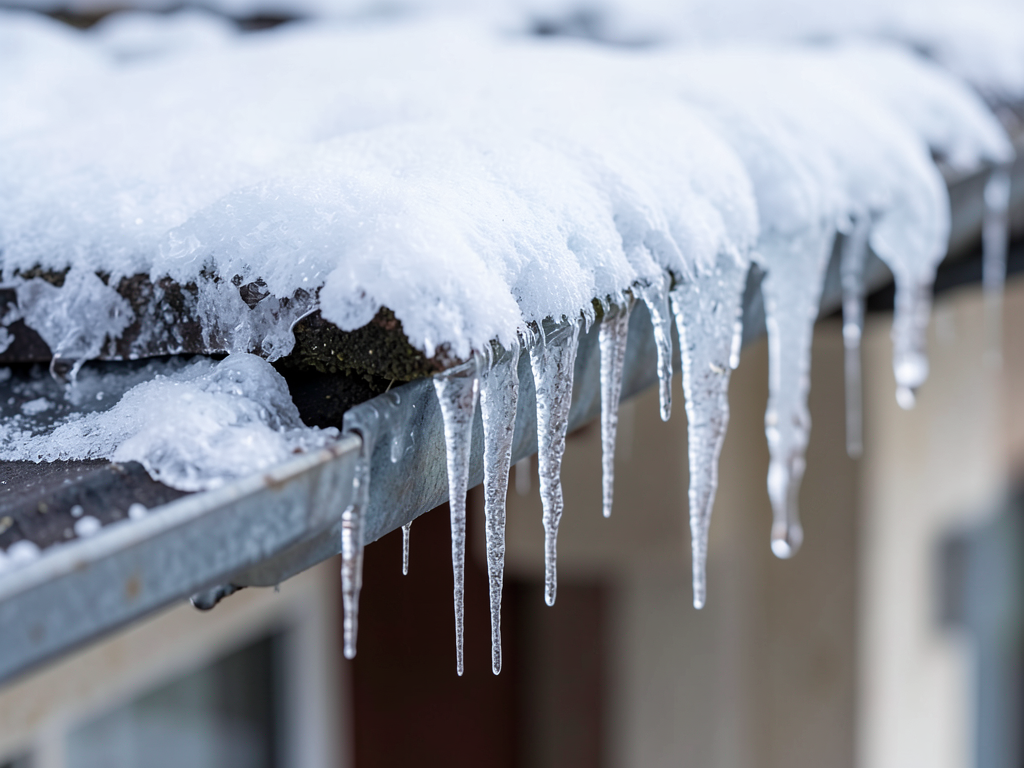
Ice dams form when snow melts on your roof then refreezes at the eaves. This creates a barrier that traps water behind it. In Louisville’s freeze-thaw climate that trapped water finds its way under shingles and into your walls. By the time you see stains or peeling paint the damage has already spread deep into insulation and framing.
The problem is especially severe in Anchorage because many homes have steep-pitched roofs and minimal attic ventilation. When ice builds up along the roof edge water backs up under shingles and flows down into wall cavities. The moisture stays hidden behind drywall for weeks or months feeding mold growth and rotting wood from the inside out.
Early signs include water spots on ceilings near exterior walls bubbling paint or a musty odor in upper rooms. You might also notice ice hanging from gutters or icicles forming along roof edges after a snowfall. These are red flags that water is already inside your walls.
If you see these signs do not wait. Call (502) 370-2711 immediately. The longer water sits in walls the more expensive and extensive the repairs become. Professional moisture mapping with thermal imaging can locate hidden damp areas before they cause structural failure. Professional Sewage Backup Cleaning and Sanitization in Jeffersontown.
Ice dams form when heat escapes from your attic warming the roof deck above freezing. Snow melts at the peak flows down and refreezes at the cold eaves. Louisville’s frequent temperature swings above and below 32°F make this cycle repeat daily during winter storms. The most reliable storm damage repair team for Fern Creek and Highview residents.
Common causes include inadequate attic insulation poor ventilation and heat sources like bathroom fans venting into the attic. Homes in Anchorage often have cathedral ceilings or complex rooflines that trap heat. Without proper airflow warm spots develop that trigger melting even when outdoor temps are well below freezing.. Read more about How to properly drain your outdoor faucets in Louisville to prevent an indoor pipe burst.
Secondary damage happens fast. Wet insulation loses R-value forcing your HVAC system to work harder. Trapped moisture creates perfect conditions for black mold within 24-48 hours. Wood rot can compromise load-bearing studs. Electrical wiring in exterior walls may short out creating fire hazards.
Professional restoration follows a strict process. First we remove the ice dam safely using low-pressure steam never picks or hammers that can damage shingles. Next we map moisture with infrared cameras to find all affected areas. Then we remove damaged materials dry the structure with industrial dehumidifiers and treat for mold prevention.
Insurance claims for ice dam damage in Kentucky typically cover sudden water intrusion but may exclude gradual damage from poor maintenance. Document everything with photos before cleanup begins. Keep receipts for emergency repairs. A professional restoration company can provide detailed damage reports that help adjusters process claims faster. Sump Pump Failure Cleanup.
Prevention starts with attic insulation meeting Jefferson County code requirements of R-49 to R-60. Add baffles to keep soffit vents clear and maintain airflow. Install heat cables along roof edges in problem areas. Clean gutters before winter to prevent ice buildup. Consider a professional energy audit to find heat leaks. Jefferson County Building Codes.
Ice dams are not just a roof problem. They are a warning sign of hidden water damage that can destroy walls ceilings and indoor air quality. In Louisville’s climate the threat is real every winter. Don’t let a small ice buildup turn into a major restoration project.
If you notice signs of water intrusion this winter call (502) 370-2711 before the next freeze. Our team is on call 24/7 to stop the damage and restore your home. Fast action prevents mold rot and costly structural repairs.
Understanding Ice Dams in the Ohio Valley
Louisville’s unique geography creates perfect conditions for ice dam formation. The Ohio Valley experiences rapid temperature swings during winter months often fluctuating 30°F within 24 hours. These freeze-thaw cycles cause snow to melt during the day and refreeze at night building up ice along roof edges.
Local building codes in Jefferson County require minimum R-49 insulation in attics but many older homes in Anchorage fall short. Poor insulation allows heat to escape through the roof creating warm spots that melt snow unevenly. Combined with inadequate ventilation this sets the stage for ice dam formation.
The problem intensifies when heavy wet snow accumulates. Louisville typically sees 10-15 inches of snow per winter but individual storms can dump 6+ inches in 24 hours. This weight combined with freeze-thaw cycling creates stress points where ice dams form most aggressively.
Professional assessment starts with checking attic temperature. Ideally your attic should be within 10°F of outdoor temperature. If it’s warmer heat is escaping and contributing to ice dam formation. Thermal imaging can reveal these hot spots that are invisible to the naked eye.
According to the International Residential Code proper attic ventilation requires 1 square foot of net free ventilation area per 150 square feet of attic space. Many homes in Anchorage have soffit vents but lack ridge vents or powered exhaust fans creating inadequate airflow. International Residential Code.

Signs of Ice Dam Water Damage Inside Your Home
Water damage from ice dams often appears gradually making it easy to dismiss as a minor issue. The first warning sign is usually water stains on ceilings or walls near exterior corners. These stains may start small but spread as moisture continues to penetrate building materials.
Paint bubbling or peeling on upper walls indicates moisture behind the drywall. The paint separates from the surface as water breaks down the adhesive bond. In severe cases drywall becomes soft and spongy to the touch signaling structural compromise.
A musty odor in upper rooms often precedes visible damage. Mold and mildew release volatile organic compounds that create this distinctive smell. By the time you notice the odor colonies may already be established inside wall cavities.
Ice accumulation along roof edges provides visual confirmation of the problem. Look for icicles hanging from gutters or ice buildup along roof eaves after snowfall. These formations indicate that melting and refreezing cycles are actively occurring.
Interior doors or windows may stick or warp as moisture affects surrounding framing. Wood swells when wet causing dimensional changes that affect how doors and windows operate. This symptom suggests water has penetrated deep into structural components.
Professional moisture meters can detect hidden water in walls before damage becomes visible. These tools measure electrical resistance which changes significantly when materials absorb moisture. Readings above 16% moisture content indicate active water intrusion requiring immediate attention.
Immediate Steps to Take When an Ice Dam Leaks
When you discover water leaking from an ice dam safety comes first. Turn off electricity to affected areas at the breaker box. Water and electricity create lethal hazards especially when water is hidden behind walls where you cannot see it.
Place buckets or towels under active leaks to minimize damage to flooring and furniture. Move valuables away from affected areas. Document everything with photos for insurance purposes before attempting any cleanup or repairs.
Never climb onto a snowy or icy roof yourself. Falls from roofs cause serious injuries every winter. Professional ice dam removal requires specialized equipment and training to work safely on slippery surfaces. Finding the best mold removal experts in the Highlands and how they protect historic homes.
Avoid using sharp tools to break ice. Chisels hammers or ice picks can damage shingles and create new entry points for water. Even pressure washers can force water under shingles making the problem worse.
Increase attic ventilation temporarily by opening access hatches or using fans to circulate air. This helps equalize temperatures and may slow additional ice formation. However this is only a temporary measure until professional help arrives.
Call (502) 370-2711 immediately for emergency response. Professional teams carry industrial dehumidifiers moisture meters and thermal imaging cameras to assess and begin mitigation within hours. Every hour counts when water is actively damaging your home’s structure. Fast response flood cleanup services near Hikes Point and the Highlands.
Remove valuables from affected rooms to prevent water damage to personal belongings. Electronics documents and furniture are particularly vulnerable to moisture damage. Elevate items off floors if possible.
Monitor the situation for worsening conditions. New leaks may appear as ice continues to melt and water finds additional pathways. Be prepared to adjust containment measures as the situation evolves.
Our Louisville Ice Dam Removal & Restoration Process
Professional ice dam removal requires specialized equipment and techniques. We use commercial-grade steam machines that operate at low pressure but high temperature typically 300°F. This melts ice without damaging shingles or creating additional water intrusion.
The process begins with a complete assessment using thermal imaging cameras. These devices detect temperature variations that reveal ice dam locations and extent. We map the entire roof edge to ensure complete removal rather than just addressing visible ice.
Moisture mapping follows ice removal. We use penetrating moisture meters to test wall cavities ceilings and insulation. This creates a comprehensive picture of water damage extent often revealing hidden moisture in areas that appear dry on the surface.
Water extraction comes next for standing water in ceilings or wall cavities. We use specialized extraction tools designed for confined spaces. High-volume dehumidifiers then remove moisture from building materials and air.
Demolition of damaged materials only occurs after thorough documentation. We remove wet drywall insulation and other compromised materials down to the framing. This prevents mold growth and allows proper structural drying.
Structural drying uses industrial dehumidifiers and air movers. We monitor moisture content daily using moisture meters until materials reach safe drying levels typically below 12% for wood framing.
Antimicrobial treatment prevents mold growth in remaining materials. We apply EPA-registered products that inhibit mold and mildew for up to 90 days during the drying process.
Reconstruction follows drying verification. We replace insulation to current code standards install new drywall and match existing textures and finishes. All work meets or exceeds local building codes.
The entire process typically takes 3-7 days depending on damage extent and weather conditions. We work directly with insurance companies providing detailed documentation to support claims and expedite approvals.
Insurance Claims for Ice Dam Damage in Kentucky
Most homeowners insurance policies in Kentucky cover sudden water damage from ice dams but exclude damage from poor maintenance or gradual deterioration. The key distinction is whether the damage occurred suddenly and accidentally versus over time due to neglect.
Document everything immediately. Take photos of ice dams water damage and any temporary mitigation measures you take. Keep receipts for emergency services like ice removal or water extraction. These documents prove the extent and timing of damage to insurance adjusters.
Standard policies typically cover structural repairs damaged personal property and professional restoration services. However they may exclude landscaping outdoor structures or damage to detached buildings. Review your specific policy or ask your agent about coverage limits.
Many Kentucky insurers require you to mitigate further damage after discovering a problem. This means taking reasonable steps to prevent additional water intrusion such as ice removal or temporary roof patching. Failure to mitigate can result in claim denial for subsequent damage.
Professional restoration companies provide detailed damage assessments that insurance companies require. These reports include moisture mapping material testing and repair estimates. They serve as the foundation for your insurance claim and help ensure you receive full compensation.
Claims adjusters typically respond within 24-48 hours of notification for emergency situations. Be available to meet them at your property and provide access to all affected areas. Point out all damage including areas you might have missed.
Keep a detailed log of all communications with your insurance company. Note dates times representative names and discussion content. This documentation helps resolve disputes if coverage questions arise later.
Some policies offer additional living expenses coverage if your home becomes uninhabitable during repairs. This can include hotel costs restaurant meals and laundry services. Check your policy limits for these benefits.
Professional advocates can help navigate complex claims. Restoration companies often have experience with local insurance providers and understand what documentation they require. This expertise can mean the difference between a denied claim and full compensation.
Preventing Future Ice Dams
Prevention starts with proper attic insulation. Jefferson County building codes require R-49 to R-60 insulation in attics but many homes fall short. Adding insulation to meet these standards can reduce heat loss by 30% or more significantly decreasing ice dam formation risk.
Attic ventilation is equally important. The general rule requires 1 square foot of net free ventilation area per 150 square feet of attic space. This typically means combining soffit vents with ridge vents or gable vents to create continuous airflow across the entire attic.
Heat cables installed along roof edges provide targeted protection for problem areas. These electric cables maintain temperatures above freezing to prevent ice formation. Professional installation ensures proper coverage and electrical safety.
Sealing air leaks between living spaces and attic prevents heat transfer. Common leak sources include attic access hatches plumbing vent stacks electrical penetrations and recessed light fixtures. Weatherstripping and spray foam can seal these gaps effectively.
Gutter maintenance prevents ice buildup at roof edges. Clean gutters before winter to ensure proper drainage. Consider installing gutter guards to prevent debris accumulation that can trap ice and snow.
Roof raking removes snow from lower roof sections before it can melt and refreeze. Use plastic roof rakes designed for this purpose working from the ground to avoid damaging shingles or creating unsafe conditions.
Cathedral ceilings require special attention. These spaces often lack adequate ventilation channels. Installing baffles between rafters creates ventilation paths that prevent heat buildup against the roof deck.
Consider a professional energy audit to identify specific heat loss patterns in your home. Thermal imaging can reveal insulation gaps air leaks and other issues contributing to ice dam formation.
Regular roof inspections catch developing problems before they cause damage. Look for damaged or missing shingles compromised flashing and signs of previous water intrusion. Address these issues before winter weather arrives.
Landscaping affects roof performance. Trees that shade roofs keep snow from melting while trees that drop leaves can clog gutters. Maintain appropriate distance between trees and your home’s roofline.
Upgrade to modern roofing materials when replacement becomes necessary. Some newer shingles include special coatings that help prevent ice adhesion. Proper underlayment installation provides additional protection against water intrusion.
Professional installation matters for all prevention measures. Improper ventilation insulation or heat cable installation can actually worsen ice dam problems. Work with contractors experienced in cold climate building science.
Prevention requires ongoing maintenance. Check attic conditions seasonally clean gutters regularly and address any roof issues promptly. The small investment in prevention typically costs far less than emergency repairs after ice dam damage occurs.
Frequently Asked Questions
How long does it take for mold to grow after ice dam water intrusion?
Mold can begin growing within 24-48 hours of water exposure. The combination of moisture organic materials like wood and drywall and typical indoor temperatures creates ideal conditions for rapid mold colonization.
Can I remove ice dams myself?
DIY ice dam removal is dangerous and often causes more damage. Climbing icy roofs risks serious injury and using improper tools can damage shingles or create new water entry points. Professional removal with steam equipment is safer and more effective.
Will my insurance cover ice dam damage?
Most Kentucky homeowners policies cover sudden water damage from ice dams but may exclude damage from poor maintenance. Coverage depends on whether the damage occurred suddenly and accidentally versus gradually due to neglect. Document everything and work with a professional restoration company.
How much does professional ice dam removal cost?
Professional ice dam removal typically costs $300-600 for an average home depending on roof size ice thickness and accessibility. Emergency services may cost more. This investment prevents far more expensive water damage repairs.
What’s the difference between ice dam removal and water damage restoration?
Ice dam removal addresses the immediate cause by eliminating the ice barrier. Water damage restoration repairs the resulting damage to walls ceilings and structural components. Both services are often needed when ice dams cause interior leaks.
How can I tell if water has gotten into my walls?
Signs include water stains on ceilings or walls bubbling or peeling paint musty odors soft or spongy drywall and doors or windows that stick or warp. Professional moisture meters can detect hidden water before visible damage appears.
Is ice dam damage covered by flood insurance?
No. Flood insurance covers rising water from external sources like rivers or storm surge. Ice dam damage is considered a roof and interior water intrusion issue covered under standard homeowners insurance not flood insurance.
How long does the restoration process take?
Typical restoration takes 3-7 days depending on damage extent. This includes ice removal moisture assessment water extraction demolition of damaged materials structural drying mold prevention treatment and reconstruction. Emergency services can begin within hours of your call.
Can ice dams cause electrical problems?
Yes. Water intrusion into walls can reach electrical wiring causing shorts tripped breakers or even fire hazards. If you suspect water has entered walls near electrical fixtures turn off power to affected areas and call professionals immediately.
What building codes apply to ice dam prevention in Louisville?
Jefferson County requires R-49 to R-60 insulation in attics and proper ventilation meeting International Residential Code standards. These codes aim to prevent heat loss that causes ice dam formation. Many older homes in Anchorage do not meet current standards.
{
“@context”: “https://schema.org”,
“@type”: “BlogPosting”,
“headline”: “How ice dams on your Louisville roof lead to hidden wall damage in Anchorage”,
“description”: “Ice dams cause hidden wall damage in Louisville homes. Learn warning signs, prevention, and restoration steps before costly repairs occur.”,
“wordCount”: 2914,
“datePublished”: “2026-05-15T09:31:00.000Z”,
“dateModified”: “2026-05-15T09:31:00.000Z”,
“inLanguage”: “en-US”,
“mainEntityOfPage”: {
“@type”: “WebPage”,
“@id”: “https://elitewaterdamagerestorationlouisville.com”
},
“publisher”: {
“@type”: “LocalBusiness”,
“name”: “Elite Water Damage Restoration Louisville”,
“url”: “https://elitewaterdamagerestorationlouisville.com”
},
“author”: {
“@type”: “Organization”,
“name”: “Elite Water Damage Restoration Louisville”,
“url”: “https://elitewaterdamagerestorationlouisville.com”
},
“image”: {
“@type”: “ImageObject”,
“url”: “https://elitewaterdamagerestorationlouisville.com/wp-content/uploads/2026/03/how-ice-dams-on-your-louisville-roof-lead-to-hidde-1.png”
}
}
{
“@context”: “https://schema.org”,
“@type”: “LocalBusiness”,
“name”: “Elite Water Damage Restoration Louisville”,
“url”: “https://elitewaterdamagerestorationlouisville.com”,
“address”: {
“@type”: “PostalAddress”,
“addressLocality”: “Louisville”
},
“areaServed”: {
“@type”: “City”,
“name”: “Louisville”
}
}
{
“@context”: “https://schema.org”,
“@type”: “FAQPage”,
“mainEntity”: [
{
“@type”: “Question”,
“name”: “How long does it take for mold to grow after ice dam water intrusion?”,
“acceptedAnswer”: {
“@type”: “Answer”,
“text”: “Mold can begin growing within 24-48 hours of water exposure. The combination of moisture organic materials like wood and drywall and typical indoor temperatures creates ideal conditions for rapid mold colonization.”
}
},
{
“@type”: “Question”,
“name”: “Can I remove ice dams myself?”,
“acceptedAnswer”: {
“@type”: “Answer”,
“text”: “DIY ice dam removal is dangerous and often causes more damage. Climbing icy roofs risks serious injury and using improper tools can damage shingles or create new water entry points. Professional removal with steam equipment is safer and more effective.”
}
},
{
“@type”: “Question”,
“name”: “Will my insurance cover ice dam damage?”,
“acceptedAnswer”: {
“@type”: “Answer”,
“text”: “Most Kentucky homeowners policies cover sudden water damage from ice dams but may exclude damage from poor maintenance. Coverage depends on whether the damage occurred suddenly and accidentally versus gradually due to neglect. Document everything and work with a professional restoration company.”
}
},
{
“@type”: “Question”,
“name”: “How much does professional ice dam removal cost?”,
“acceptedAnswer”: {
“@type”: “Answer”,
“text”: “Professional ice dam removal typically costs $300-600 for an average home depending on roof size ice thickness and accessibility. Emergency services may cost more. This investment prevents far more expensive water damage repairs.”
}
},
{
“@type”: “Question”,
“name”: “What’s the difference between ice dam removal and water damage restoration?”,
“acceptedAnswer”: {
“@type”: “Answer”,
“text”: “Ice dam removal addresses the immediate cause by eliminating the ice barrier. Water damage restoration repairs the resulting damage to walls ceilings and structural components. Both services are often needed when ice dams cause interior leaks.”
}
},
{
“@type”: “Question”,
“name”: “How can I tell if water has gotten into my walls?”,
“acceptedAnswer”: {
“@type”: “Answer”,
“text”: “Signs include water stains on ceilings or walls bubbling or peeling paint musty odors soft or spongy drywall and doors or windows that stick or warp. Professional moisture meters can detect hidden water before visible damage appears.”
}
},
{
“@type”: “Question”,
“name”: “Is ice dam damage covered by flood insurance?”,
“acceptedAnswer”: {
“@type”: “Answer”,
“text”: “No. Flood insurance covers rising water from external sources like rivers or storm surge. Ice dam damage is considered a roof and interior water intrusion issue covered under standard homeowners insurance not flood insurance.”
}
},
{
“@type”: “Question”,
“name”: “How long does the restoration process take?”,
“acceptedAnswer”: {
“@type”: “Answer”,
“text”: “Typical restoration takes 3-7 days depending on damage extent. This includes ice removal moisture assessment water extraction demolition of damaged materials structural drying mold prevention treatment and reconstruction. Emergency services can begin within hours of your call.”
}
},
{
“@type”: “Question”,
“name”: “Can ice dams cause electrical problems?”,
“acceptedAnswer”: {
“@type”: “Answer”,
“text”: “Yes. Water intrusion into walls can reach electrical wiring causing shorts tripped breakers or even fire hazards. If you suspect water has entered walls near electrical fixtures turn off power to affected areas and call professionals immediately.”
}
},
{
“@type”: “Question”,
“name”: “What building codes apply to ice dam prevention in Louisville?”,
“acceptedAnswer”: {
“@type”: “Answer”,
“text”: “Jefferson County requires R-49 to R-60 insulation in attics and proper ventilation meeting International Residential Code standards. These codes aim to prevent heat loss that causes ice dam formation. Many older homes in Anchorage do not meet current standards.”
}
}
]
}
{
“@context”: “https://schema.org”,
“@type”: “BreadcrumbList”,
“itemListElement”: [
{
“@type”: “ListItem”,
“position”: 1,
“name”: “Home”,
“item”: “https://elitewaterdamagerestorationlouisville.com”
},
{
“@type”: “ListItem”,
“position”: 2,
“name”: “Blog”,
“item”: “https://elitewaterdamagerestorationlouisville.com/blog”
},
{
“@type”: “ListItem”,
“position”: 3,
“name”: “How ice dams on your Louisville roof lead to hidden wall damage in Anchorage”
}
]
}
{
“@context”: “https://schema.org”,
“@type”: “Service”,
“serviceType”: “Water Damage Restoration”,
“provider”: {
“@type”: “LocalBusiness”,
“name”: “Elite Water Damage Restoration Louisville”,
“url”: “https://elitewaterdamagerestorationlouisville.com”
},
“areaServed”: {
“@type”: “City”,
“name”: “Louisville”
},
“description”: “Ice dams cause hidden wall damage in Louisville homes. Learn warning signs, prevention, and restoration steps before costly repairs occur.”
}