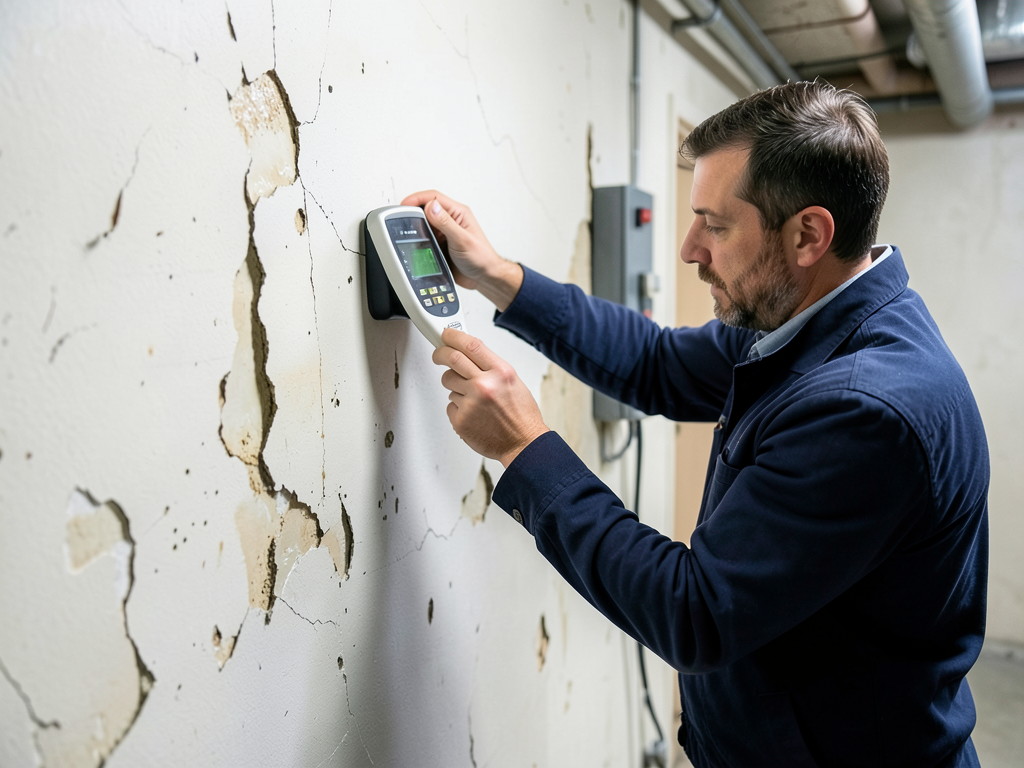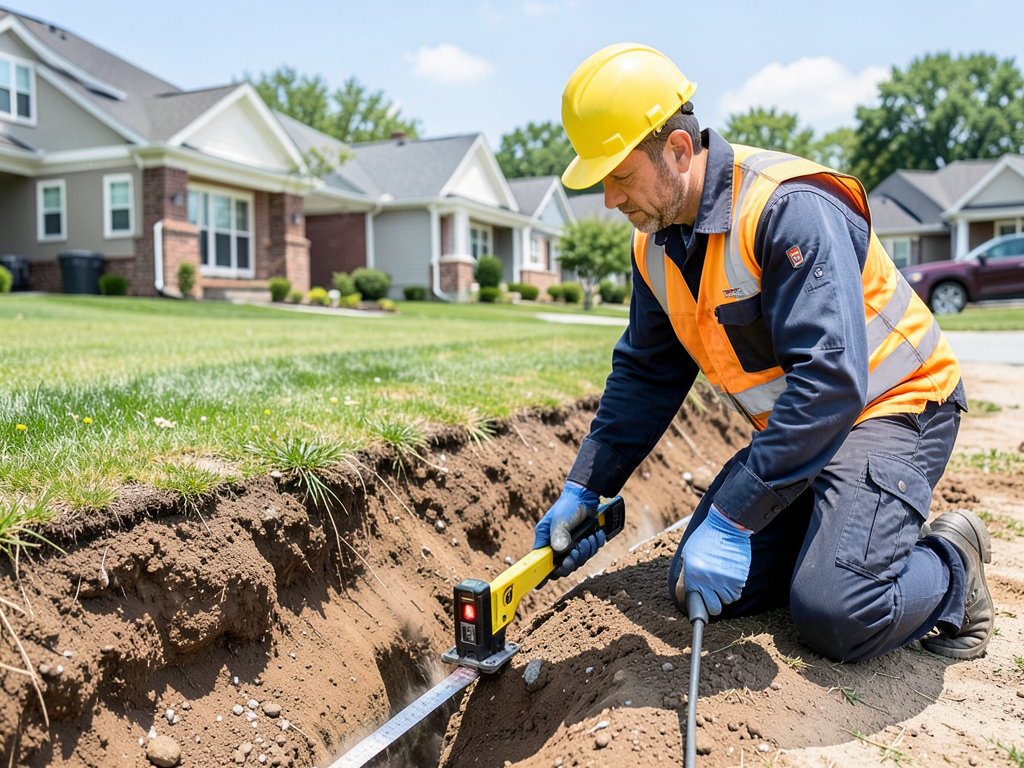







Louisville receives 45 inches of annual precipitation, with spring storms frequently delivering two inches of rain in 24-hour periods that overwhelm drainage systems designed for lower rainfall intensities. Educational facilities in the Highlands and Old Louisville neighborhoods sit on sloped terrain where surface runoff concentrates against foundation walls. The city's clay soil composition prevents rapid percolation, creating hydrostatic pressure that forces water through basement walls and floor slab joints. Academic buildings constructed before 1980 often lack proper foundation drainage and waterproofing membranes, making them vulnerable during Louisville's intense thunderstorm season from April through June.
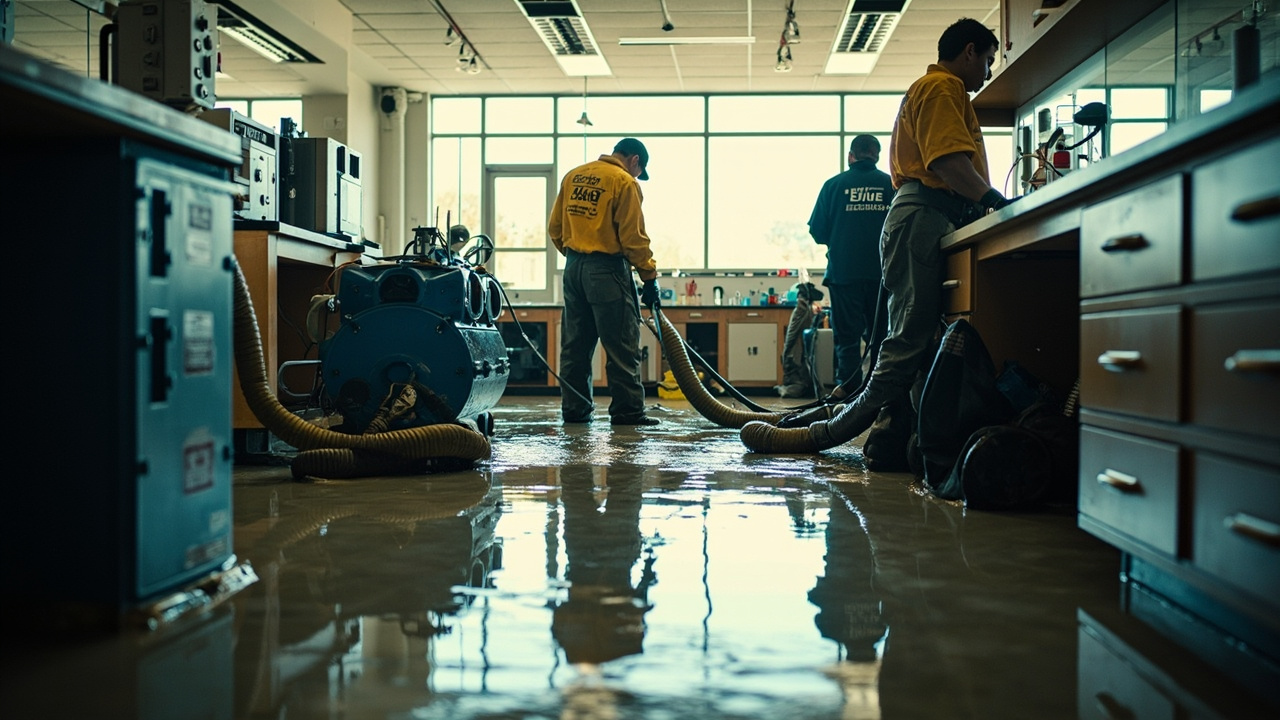
College campus water remediation in Louisville requires familiarity with Kentucky's building codes and the specific occupancy classifications governing educational facilities. We work with institutions that must maintain compliance with fire marshal requirements, ADA accessibility standards, and state health department regulations for occupied buildings during restoration. Our experience includes projects across the University of Louisville system, Bellarmine University, and Jefferson County Public Schools facilities where restoration work cannot simply halt operations. Understanding Louisville's inspection protocols and maintaining relationships with local building officials accelerates permit approvals and final occupancy clearances that determine when students can return to affected spaces.