


Menu

Commercial Mold Remediation in Louisville – Minimize Downtime and Protect Your Bottom Line

Industrial-grade commercial mold removal engineered to keep your Louisville business operational. We mobilize containment teams within hours to protect inventory, maintain regulatory compliance, and eliminate liability exposure.

Slider Image 1
Slider Image 2
Slider Image 3
Slider Image 4
Slider Image 5
Slider Image 7
Slider Image 8
Slider Image 9
Slider Image 10
Slider Image 11

Mold Growth Accelerates in Louisville's Ohio River Valley Climate

Louisville sits in a humid subtropical zone where the Ohio River creates persistent moisture conditions year-round. Average summer humidity exceeds 70 percent, and seasonal flooding from the river basin creates perfect conditions for fungal colonization in commercial structures. Your warehouse, retail space, or office building faces constant exposure to airborne spore infiltration.

When HVAC systems cycle warm air across cold metal ductwork in summer, condensation forms inside hidden plenum spaces. Poor vapor barrier installation in older Butchertown or Portland district buildings allows ground moisture to wick through concrete slabs. Once mold establishes in drywall cavities or above drop ceilings, it reproduces exponentially within 48 hours.

The business consequences are immediate. Tenants file complaints. Health department inspections trigger closure orders. Insurance carriers deny claims when you delay commercial mold abatement. Employees develop respiratory symptoms that spike workers' compensation costs. Inventory contamination forces product disposal. Every day you postpone commercial mold mitigation compounds financial losses.

Jefferson County health codes require documented remediation protocols for commercial properties. You need certified commercial mold cleanup that follows IICRC S520 standards and satisfies local building officials. Generic cleaning fails air quality testing and leaves you exposed to negligence claims. This is not a maintenance issue. This is a containment operation that demands commercial mold removal infrastructure and negative air pressure engineering.

Mold Growth Accelerates in Louisville's Ohio River Valley Climate
Our Containment Protocol Isolates Active Growth While You Stay Operational

Our Containment Protocol Isolates Active Growth While You Stay Operational

We deploy modular containment barriers that section off contaminated zones without shutting down your entire facility. Our crews install HEPA-filtered negative air machines that create differential pressure, pulling spores away from occupied areas and preventing cross-contamination to clean spaces. You keep revenue-generating operations running while we execute business mold remediation in isolated sections.

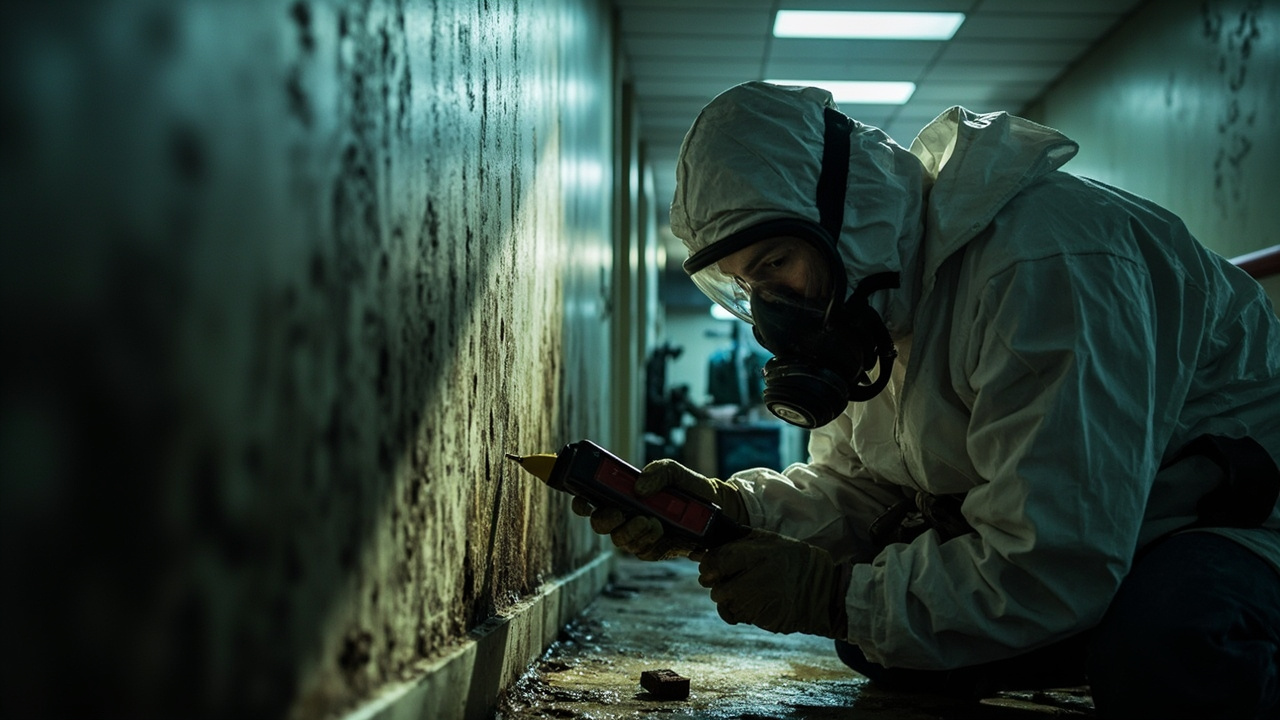
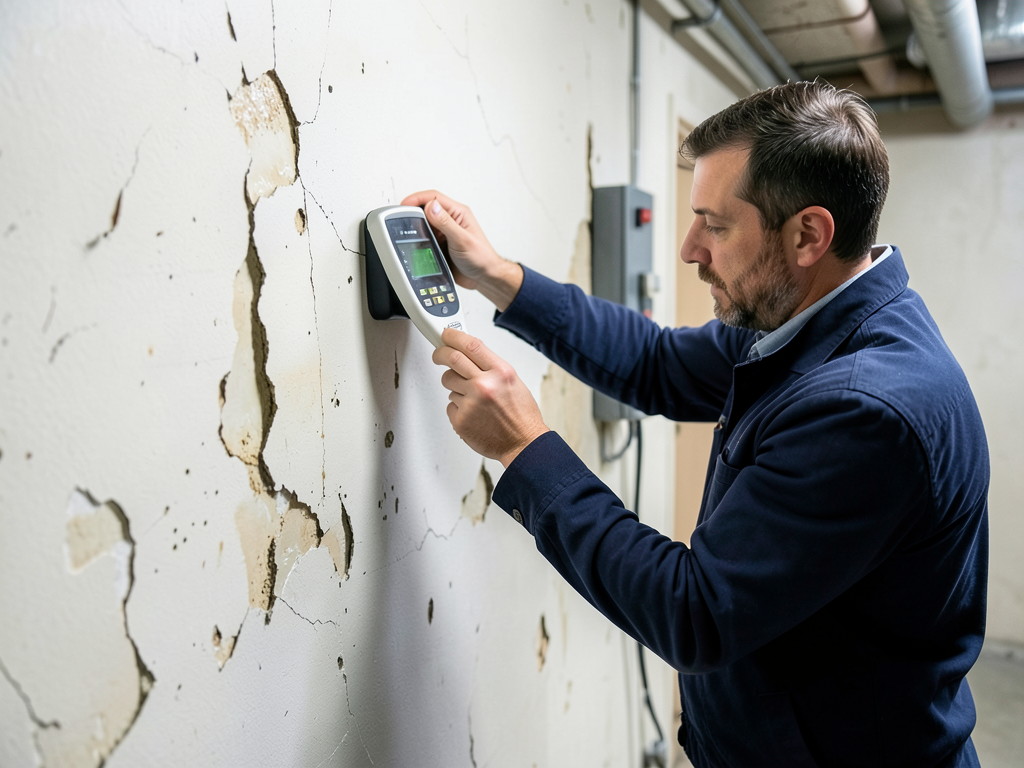
Our technicians use moisture mapping technology to identify hidden water intrusion points. Infrared thermal imaging reveals temperature differentials behind walls where condensation pools. Hygrometers measure substrate moisture content in wood framing and gypsum board. We document baseline conditions before starting work, creating the legal record you need for insurance recovery and regulatory compliance.

Material removal follows surgical precision. We strip only affected drywall, insulation, and ceiling tiles, preserving structural elements wherever possible. HEPA vacuums capture particulate during demolition. Antimicrobial fogging treats exposed framing before reconstruction. We run air scrubbers continuously during the commercial mold abatement process, cycling the entire room volume through filtration every six minutes.

Post-remediation verification includes third-party air quality testing. Independent labs analyze spore counts and compare them against outdoor baseline samples. You receive documented clearance that satisfies insurance adjusters and health inspectors. We provide chain-of-custody reports for disposed materials, protecting you from improper disposal liability. Our commercial mold cleanup delivers the paper trail your legal team and property insurer require.

How We Execute Commercial Mold Remediation Without Halting Operations

Commercial Mold Remediation in Louisville – Minimize Downtime and Protect Your Bottom Line
01

Emergency Assessment and Containment

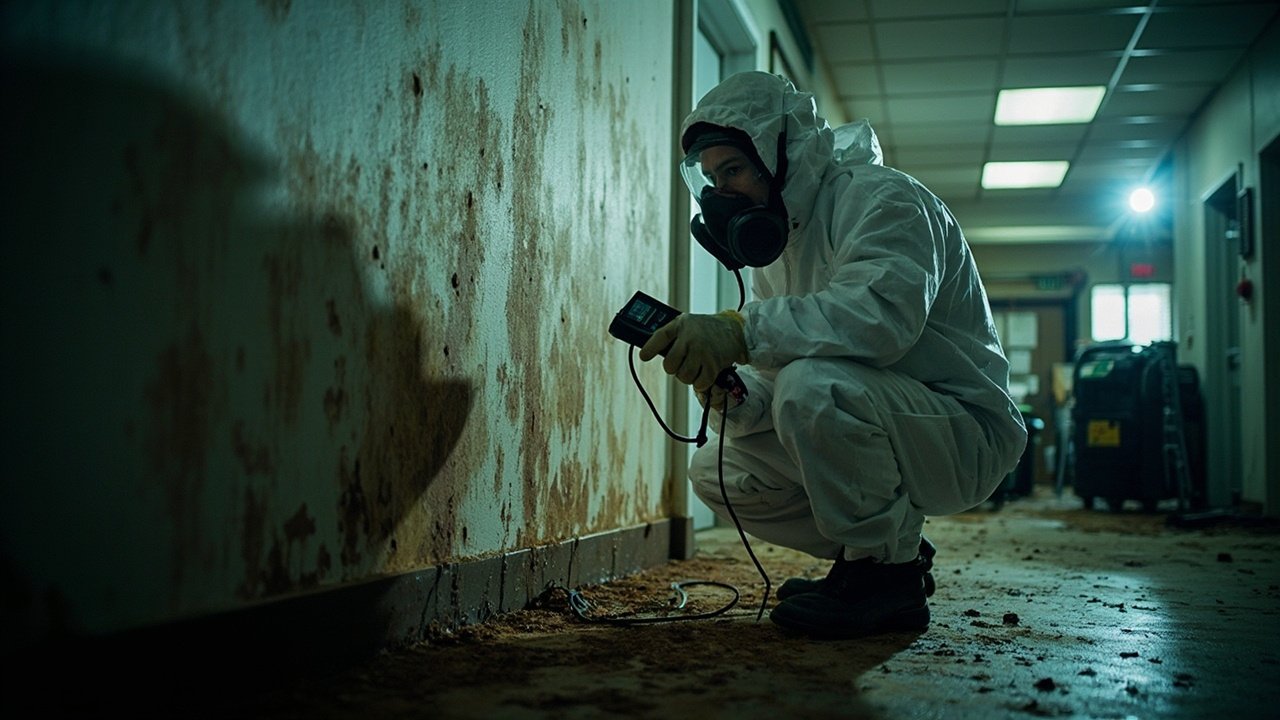
We dispatch certified industrial hygienists to your Louisville facility within two hours of contact. Our team maps contaminated zones using thermal imaging and moisture meters, then establishes negative pressure containment chambers using polyethylene barriers and HEPA air scrubbers. You receive a written remediation plan with projected timelines before any demolition begins, allowing you to coordinate with tenants and minimize business disruption.
02

Controlled Material Removal

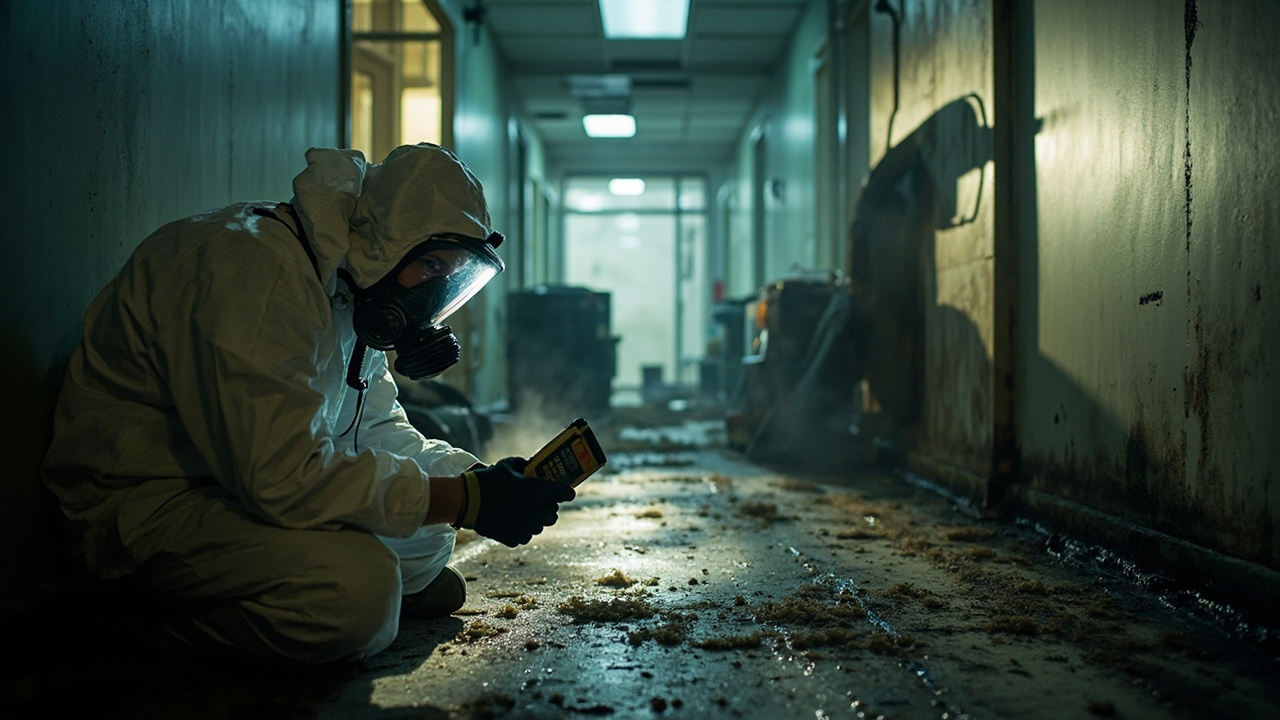
Our crews remove contaminated materials using HEPA vacuums and controlled wetting to prevent spore aerosolization. We bag and seal all debris at the point of origin, then transport it through decontamination airlocks to prevent hallway contamination. Antimicrobial treatments on exposed framing kill residual colonization. We maintain continuous negative air pressure throughout the commercial mold mitigation process to protect unaffected areas from cross-contamination.
03

Verification and Reconstruction

Independent laboratory testing confirms successful remediation through air sampling and surface swabs. Once clearance results confirm spore counts meet EPA guidelines, we rebuild with mold-resistant materials including fiberglass-faced drywall and closed-cell insulation. You receive full documentation including lab reports, disposal manifests, and photographic progression records. This paper trail protects you during insurance claims and future property transactions.

Why Louisville Businesses Choose Our Commercial Remediation Team

We maintain relationships with Jefferson County building inspectors and understand the specific documentation requirements for commercial occupancy permits. When your remediation project requires city sign-off, we provide the certified reports and air quality data that satisfy local health department standards. Generic contractors cannot navigate these regulatory requirements.

Our equipment inventory includes commercial-grade desiccant dehumidifiers that extract moisture in warehouses and industrial spaces where residential equipment fails. We deploy truck-mounted HEPA vacuums with extended hose runs that reach third-floor offices without tracking contamination through your building. Our negative air machines move 2000 cubic feet per minute, creating the pressure differentials required for proper containment in large commercial volumes.

Elite Water Damage Restoration Louisville holds IICRC certifications in Applied Microbial Remediation and maintains continuing education in evolving EPA protocols. We understand liability exposure in commercial properties. Our project managers coordinate with your insurance adjuster, providing real-time documentation that prevents claim denials. We speak the language of commercial carriers and structure our estimates to align with policy coverage terms.

Louisville's older commercial districts including Smoketown and Shelby Park contain buildings with balloon framing and plaster-on-lath construction. These architectural styles require specialized remediation approaches. We understand how mold travels through balloon-framed wall cavities and use targeted injection treatments that generic cleaning cannot address. Our crews have remediated contamination in historic structures throughout the Highlands and know how to preserve architectural elements while eliminating fungal growth.

What Your Business Can Expect From Our Remediation Process

Rapid Commercial Response

We mobilize containment teams to Louisville commercial properties within two hours during business days. Our crews arrive with truck-mounted equipment and begin establishing negative pressure zones immediately. You receive a written scope of work within four hours of initial assessment. Most commercial mold remediation projects reach completion within five to seven business days, depending on contamination extent. We schedule work during off-hours to minimize tenant disruption and maintain your cash flow.

Comprehensive Commercial Assessment

Our industrial hygienists conduct moisture mapping across your entire facility, not just visible problem areas. We inspect HVAC plenums, crawl spaces, and roof assembly interfaces where hidden growth often originates. Thermal imaging identifies wet insulation inside wall cavities. We test air samples from multiple zones to determine spore concentration gradients. You receive a detailed report with photographic documentation, moisture readings, and recommended remediation protocols before any work begins.

Documented Remediation Standards

Every commercial project concludes with third-party air quality verification. Independent laboratories analyze samples using spore trap methodology and compare results against ACGIH guidelines. We provide chain-of-custody documentation for all removed materials, protecting you from environmental disposal liability. Your final report includes before and after photographs, moisture logs, air sampling results, and certification that work meets IICRC S520 standards. This documentation satisfies insurance requirements and protects property value during future transactions.

Post-Remediation Moisture Control

We identify the water intrusion source that caused initial colonization and provide engineered solutions. This includes HVAC condensate line rerouting, improved exhaust ventilation in restrooms, or waterproofing recommendations for below-grade spaces. Our team installs commercial-grade dehumidification systems in problem areas and provides humidity monitoring protocols. You receive a maintenance plan that prevents recurrence and protects your remediation investment. We return for follow-up moisture testing at 30 and 90 days post-completion.

Frequently Asked Questions

You Have Questions,
We Have Answers

What do professionals use for mold remediation? +

Professionals use HEPA filtration systems to capture airborne spores, negative air machines to prevent cross-contamination, and antimicrobial treatments to kill mold at the source. We apply EPA-registered fungicides and encapsulants to affected surfaces. Containment barriers isolate work zones in your facility. Moisture meters and thermal imaging cameras identify hidden water intrusion. For porous materials like drywall or ceiling tiles, removal and disposal are necessary. Non-porous surfaces get cleaned with specialized detergents. In Louisville's humid climate, dehumidification equipment runs continuously during remediation to prevent regrowth. Documentation includes air quality testing before and after to verify clearance and satisfy insurance or regulatory requirements.

How much does it cost to professionally remove mold? +

Commercial mold removal pricing depends on contamination extent, affected square footage, and accessibility. Small office areas may run lower, while warehouse or multi-floor buildings increase costs. Material disposal, required permits, and post-remediation reconstruction impact final pricing. Louisville properties with HVAC system contamination require duct cleaning and filter replacement, adding to totals. Urgent projects or after-hours work to minimize business disruption carry premium rates. Water damage repairs, if needed, are separate line items. Request a detailed estimate that breaks down labor, equipment rental, disposal fees, and testing costs. Most commercial policies cover mold remediation when tied to a covered peril like burst pipes or roof leaks.

Is professional mold removal worth it? +

Professional removal protects your business from liability, maintains compliance with health codes, and prevents structural deterioration. Louisville's high humidity accelerates mold spread, making DIY attempts ineffective and risky. Employees exposed to mold can file workers' compensation claims or lawsuits. Tenants may break leases if you ignore visible contamination. Certified technicians document the scope, follow IICRC S520 standards, and provide clearance testing that satisfies insurance adjusters and attorneys. Improper cleaning releases more spores into your HVAC system, spreading contamination to unaffected areas. Professional remediation minimizes downtime, protects your reputation, and ensures mold does not return within weeks. The investment prevents far larger costs from litigation or operational shutdowns.

What is commercial mold remediation? +

Commercial mold remediation is the systematic removal and prevention of fungal growth in business properties. The process includes inspection, containment, air filtration, removal of contaminated materials, surface treatment, and verification testing. Technicians address the moisture source first, whether it is a leaking roof, plumbing failure, or HVAC condensation. Work happens during off-hours to limit business disruption. Remediation follows OSHA guidelines and local building codes. In Louisville, older buildings with brick facades or flat roofs require specialized approaches due to water intrusion patterns. The goal is to restore safe indoor air quality, protect structural integrity, and eliminate liability risks. Documentation supports insurance claims and demonstrates regulatory compliance.

How much does professional mold removal cost? +

Commercial mold removal costs vary by contamination severity, building size, and required scope. Factors include affected square footage, material removal needs, air quality testing, and labor hours. Properties with widespread HVAC contamination or multiple floors increase project complexity and pricing. Emergency response or after-hours scheduling to avoid business interruption carries premium rates. Louisville buildings with flat roofs or older plumbing systems may require additional moisture source repairs. Most commercial insurance policies cover remediation when mold results from a covered event like storm damage or pipe bursts. Request itemized estimates that separate remediation, reconstruction, and testing costs. Delaying treatment increases scope and expense as mold spreads through building materials and ventilation systems.

What kills mold permanently? +

Nothing kills mold permanently if moisture persists. Effective remediation removes contaminated materials, treats surfaces with EPA-registered fungicides, and eliminates water sources. HEPA filtration captures airborne spores during work. After cleaning, antimicrobial encapsulants create barriers on non-porous surfaces. The key is moisture control. Fix leaking roofs, repair plumbing failures, improve ventilation, and maintain indoor humidity below 60 percent. In Louisville, dehumidifiers are necessary in basements and ground-level commercial spaces due to seasonal humidity. Regular HVAC maintenance prevents condensation buildup in ductwork. Mold returns when water intrusion resumes or relative humidity stays elevated. Permanent prevention requires ongoing building maintenance and environmental monitoring, not just one-time chemical treatment.

Can black mold be fully remediated? +

Yes, black mold is fully remediable when professionals follow containment protocols and remove all affected materials. Stachybotrys chartarum requires the same process as other mold species but demands stricter safety measures due to mycotoxin production. Technicians wear respirators and protective suits. Contaminated drywall, insulation, and porous materials get bagged and disposed of properly. Non-porous surfaces receive antimicrobial treatment after cleaning. Post-remediation air testing verifies spore counts return to normal levels. In Louisville commercial buildings, black mold often appears where roof leaks or plumbing failures go unnoticed. Complete remediation requires eliminating the moisture source and confirming clearance through independent laboratory analysis. Documentation protects you from future liability claims.

Is mold remediation tax deductible? +

Mold remediation may be tax deductible as a business operating expense or casualty loss, depending on circumstances. If remediation maintains your property's current condition rather than improving it, you can deduct the full cost in the year incurred. Costs tied to disaster recovery or insurance deductibles may qualify under different tax treatments. Consult a CPA familiar with commercial real estate to determine proper classification. In Louisville, if remediation is part of a larger renovation or improvement project, costs may need capitalization and depreciation over time. Keep detailed invoices separating remediation from reconstruction. Insurance reimbursements reduce your deductible amount. Document the business necessity and timeline to support your filing.

What are signs of mold exposure? +

Employees may report headaches, respiratory irritation, coughing, sinus congestion, eye irritation, or skin rashes. Individuals with asthma or allergies experience worsened symptoms in contaminated buildings. Fatigue and difficulty concentrating occur with prolonged exposure. Visible mold growth, musty odors, and water stains on ceilings or walls indicate contamination. In Louisville commercial properties, basement storage areas and ground-floor spaces with poor ventilation show signs first. Workers' compensation claims or tenant complaints about air quality require immediate investigation. Prolonged exposure increases liability risk and regulatory scrutiny. If multiple employees report similar symptoms or productivity drops, schedule air quality testing and mold inspection immediately to protect your workforce and limit legal exposure.

How hard is it to win a mold lawsuit? +

Winning a mold lawsuit is difficult without clear evidence of negligence, property damage, or documented health impacts. Plaintiffs must prove you knew about the problem and failed to act, or that your actions directly caused harm. Strong documentation of remediation efforts, timely response, and adherence to industry standards provides your best defense. In Louisville, commercial property owners face claims from tenants or employees alleging exposure. Insurance coverage depends on policy language and whether mold resulted from a covered peril. Settlements often occur when property owners ignore visible contamination or violate building codes. Retain all inspection reports, work orders, and communication records. Proactive remediation and documented compliance drastically reduce lawsuit success rates and settlement amounts.

How Louisville's River Valley Humidity Accelerates Commercial Mold Growth

The Ohio River creates a microclimate where Louisville experiences 200-plus days annually with relative humidity above 60 percent. This persistent moisture combines with temperature swings between Ohio Valley cold fronts and Gulf air masses to create condensation inside commercial buildings. Older structures in Butchertown and Portland lack modern vapor barriers, allowing ground moisture from the river's flood plain to wick through concrete foundations. Commercial properties near Beargrass Creek face elevated risk during spring flooding when saturated soil drives moisture into below-grade spaces.

Jefferson County enforces strict commercial property standards under local health codes that exceed state minimums. Building inspectors require certified remediation documentation before reissuing occupancy permits after mold discovery. We maintain direct relationships with county officials and understand their specific reporting requirements. Our remediation protocols align with Louisville Metro codes and EPA Region 4 guidelines. When you need commercial mold removal that satisfies local inspectors and protects your business license, local expertise prevents costly project delays and failed inspections.

Water Damage Services in The Louisville Area

Elite Water Damage Restoration is proud to serve the entire Louisville metropolitan area and surrounding communities. We are committed to providing top-tier water damage solutions to all residents and businesses in our service region. Feel free to explore our service map to confirm your location is within our coverage area or simply give us a call to discuss your specific needs. Our team is ready to help restore your property with speed and professionalism.

Address:
Elite Water Damage Restoration Louisville, 1000 E Kentucky St., Louisville, KY, 40204

Additional Services We Offer

Our news updates

Latest Articles & News from The Blogs

Keeping Your Pets Safe from Mold and Bacteria After a Louisville Basement Leak A basement leak in Louisville creates immediate…

Keeping your pets safe from mold and bacteria after a Louisville basement leak

Keeping Your Pets Safe from Mold and Bacteria After a Louisville Basement Leak A basement leak in Louisville creates immediate…

What to do in the first hour after finding a flood in your J-town home

What to do in the first hour after finding a flood in your J-town home Finding water pouring into your…

Can smart leak detectors actually prevent a flood in your Louisville home?

Can smart leak detectors actually prevent a flood in your Louisville home? Smart leak detectors can stop a flood before…

Contact Us

Call Elite Water Damage Restoration Louisville at (502) 370-2711 right now. Our commercial remediation specialists will assess your property within two hours and provide a written containment plan. Do not let mold exposure compound into regulatory violations or tenant lawsuits.